
Reviewed · CITY SIGHTSEEING TOURS
Malaga: long highlights tour with skip-line-tickets
Malaga’s best-known sights are packed into one long day here, from the grand Cathedral and Picasso’s paintings to the Roman Theatre and the Alcazaba’s views over the port. The tour uses skip-line tickets and keeps the group to six people, which matters when you are moving through popular monuments.
I like the clear mix of art, architecture, and city history. I also like the handoff between a history guide for the Old Town and a Picasso specialist at the museum. The main drawback is the six-hour length, with a pause before the 4 p.m. return to the Alcazaba, so this is not a quick introduction or a relaxed, stop-and-start sightseeing day.
In This Review
- Key points to know before booking
- Why this six-hour Malaga tour works
- Starting at Constitution Square and walking Larios Street
- Sagrario Church and Bishop’s Square
- Entering Malaga Cathedral and learning about La Manquita
- Picasso’s Malaga at the Picasso Museum
- The pause before the 4 p.m. return
- The Roman Theatre and layers of Malaga
- The Alcazaba and the view over Malaga’s port
- How the guides shape the experience
- Price, pace, and who gets the most value
- Should you book this Malaga highlights tour?
- FAQ
- How long does the Malaga highlights tour last?
- Where does the tour begin?
- Where do I meet the guide after the pause?
- Are entrance tickets included?
- What language is the tour in?
- How many people are in the group?
- Is the tour suitable for wheelchair users?
Key points to know before booking
- Four major monument entries are included: Malaga Cathedral, the Picasso Museum, the Roman Theatre, and the Alcazaba.
- The group is limited to six people: You get a more personal walk than on a large city tour.
- Two guide specialties shape the day: One guide leads the Old Town and cathedral visit, while another focuses on Picasso and his art.
- The itinerary is split around a long pause: The Alcazaba and Roman Theatre portion resumes at 4 p.m.
- The meeting points change: Start at Constitution Square, then meet at the Alcazaba stairs in Aduana Square after the pause.
- Dress and access matter: Sleeveless shirts are not allowed, and the route is not suitable for wheelchair users.
Why this six-hour Malaga tour works
This experience is designed for you if you want Malaga’s central sights explained in one organized day. You are not simply handed a list of admissions. You walk through the old center with a guide, enter four important sites, and hear the stories that connect Roman, Muslim, Christian, and modern artistic Malaga.
The format is especially useful if this is your first visit. Larios Street, Sagrario Church, Bishop’s Square, the Cathedral, and the Picasso Museum can otherwise feel like separate stops. Here, they form a route through the city center.
At $94 per person, the value comes from the combination of four entrance tickets, two specialist guides, and a very small group. I would not choose it only to save money. I would choose it if you value explanations and want to avoid arranging each admission yourself.
The day is long, but the schedule is not six straight hours inside monuments. There is a substantial pause before the group reconvenes at 4 p.m. That break gives you breathing room, though food and drinks are not included, and the activity rules say food and drinks are not allowed during the tour itself.
More Malaga sightseeing tours:
- Malaga: City Sightseeing Hop-On Hop-Off Bus Tour
★ 4.0 · 2,619 reviews - From Malaga and Costa del Sol: Gibraltar Sightseeing Tour
★ 3.9 · 1,586 reviews - Malaga: Private City Tour by Eco Tuk Tuk
★ 4.9 · 1,319 reviews
Starting at Constitution Square and walking Larios Street
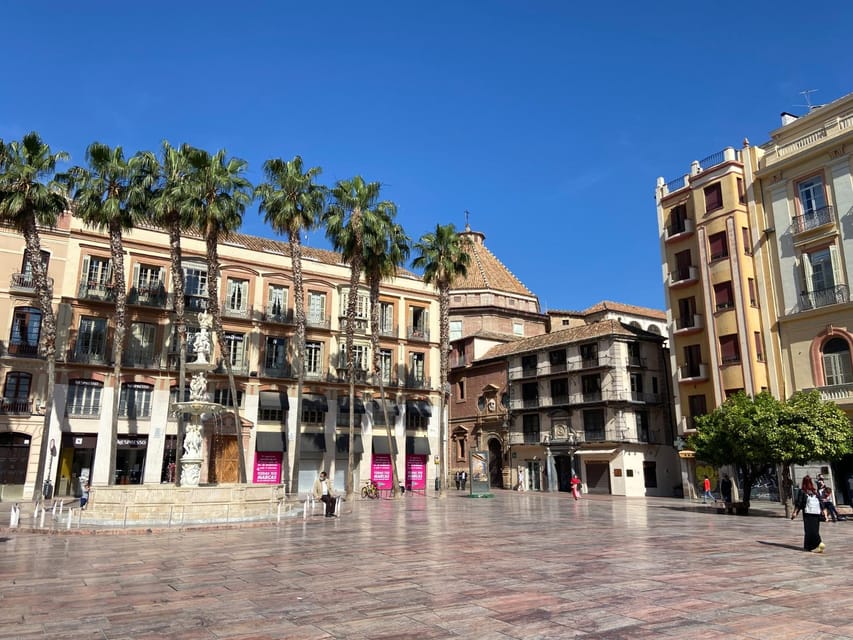
Meet your guide in Constitution Square, near the Spanish flag. Look for a yellow umbrella or a sign marked Memorias de Malaga. This detail is worth noting because the square is a central public meeting point, and a clear visual marker makes the first meeting easier.
The Old Town section begins on foot. Larios Street is one of Malaga’s best-known thoroughfares, and it gives you a quick sense of the city’s layout before the tour turns toward older religious and civic spaces. Your history guide sets the context as you walk rather than waiting until you are inside a monument.
That approach suits me. Malaga is easier to understand when you see how its streets connect the major sites. You get a city walk first, then the formal interiors.
The group size, limited to six, should help here. You can stay close to the guide, ask questions, and hear the explanation without the usual large-group shuffle. The company uses English-language guides, so this tour is aimed at English-speaking visitors.
Sagrario Church and Bishop’s Square
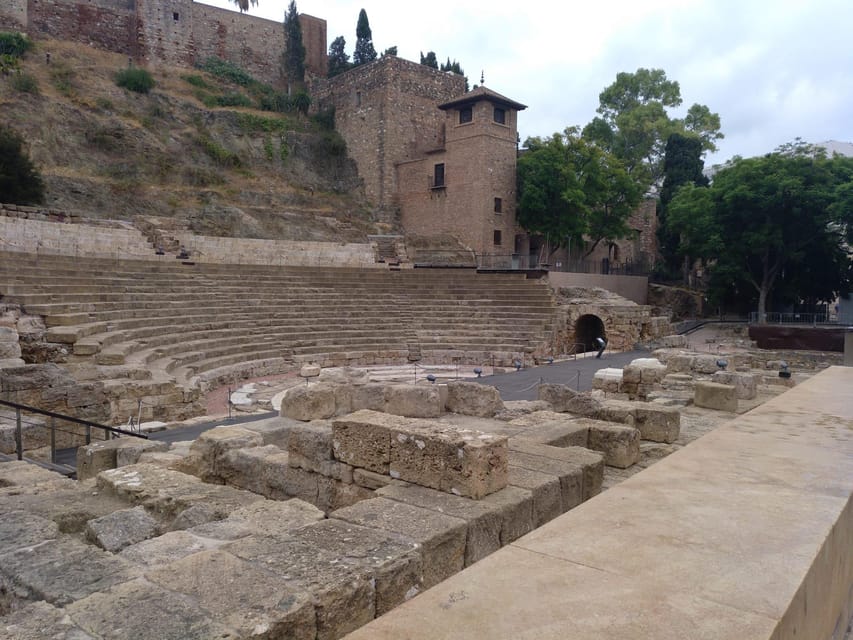
The walk includes Sagrario Church and Bishop’s Square, two stops that add detail to the better-known Cathedral visit. These places help show how the Old Town is built around religious buildings, small squares, and grand public spaces rather than just one headline monument.
Do not expect every stop to have the same weight as the Cathedral or Alcazaba. Their value is in the setting and the connections your guide draws between them. If you like learning why a street, church, or square matters, this portion should feel worthwhile. If you want only the biggest sights, it may feel like a slower start.
I would pay attention to the guide’s local stories here. Esther, one of the guides associated with the tour, was praised for adding details from her local background as well as explaining the sites. Lidia was also singled out for being well prepared and leading with strong enthusiasm and care. Those comments point to the kind of experience this tour is trying to provide: personal explanation, not just dates recited beside a building.
Entering Malaga Cathedral and learning about La Manquita
The Cathedral is the first major included monument. With skip-line entry, you avoid arranging a separate ticket and should spend less time dealing with the admission queue. The guide takes you inside to explain the interior and its mixture of artistic styles.
The cathedral’s nickname, La Manquita, meaning the one-armed lady, is one of the key stories covered on the tour. The name refers to its unfinished appearance, an unusual feature that gives the building a more memorable identity than a standard church visit.
I like this kind of explanation because it turns a visual detail into a story you can carry with you. Instead of simply admiring the interior, you learn why the building is described in that way and how its unfinished character became part of Malaga’s identity.
Dress rules deserve attention. The activity information says sleeveless shirts are not allowed, and it also gives guidance about covered shoulders and knees. Neil, who took the tour in warm weather, noted that the admissions staff did not appear to enforce the shoulder and knee rule, but I would still dress conservatively. It is easier than gambling on the entrance policy, especially when the cathedral is a central part of the day.
Flash photography, video recording, and audio recording are not allowed. You should be prepared to look, listen, and move on without making your own recording.
A few more Malaga outings worth comparing
- Málaga: Museo Picasso Málaga Entry Ticket
★ 4.4 · 11,138 reviews - Málaga: Alcazaba and Roman Theatre Guided Tour With Entry
★ 4.8 · 5,792 reviews - From Malaga and Costa del Sol: Gibraltar Tour
★ 4.4 · 4,483 reviews - Malaga: Teatro Flamenco Malaga Live Flamenco Show
★ 4.7 · 4,254 reviews
Picasso’s Malaga at the Picasso Museum
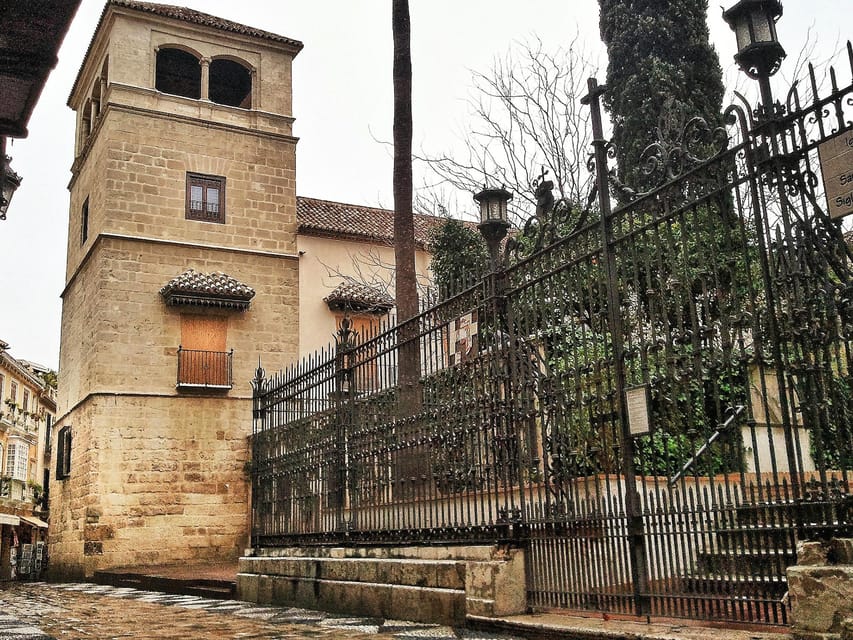
After the cathedral, the experience shifts from architecture and religious history to modern art. You meet a guide specializing in art and Picasso, then enter the Picasso Museum with skip-line admission.
This specialist handoff is one of the tour’s strongest features. Picasso was born in Malaga, so the museum is not just another art stop added to a city route. It connects a major Spanish artist to the city where his story began.
The tour focuses on some of Picasso’s finest works and explains his life. That context helps if you know little about him, but it can also make the visit more useful if you already recognize his name and want a clearer route through the collection.
Museum visits can be hard to judge from a short description because the experience depends on how much time the guide gives each work. Here, you are promised a guided visit rather than a quick entrance and exit. The small group should make it easier to stay with the art guide and ask about a painting without interrupting a crowd.
Keep in mind that the museum has the same photography restrictions listed for the activity: no flash, video, or audio recording. The visit is about close looking and explanation, not collecting footage.
The pause before the 4 p.m. return
The schedule includes a long time-out before 4 p.m. The tour then continues with the Roman Theatre and Alcazaba, with the guide waiting at the Alcazaba stairs in Aduana Square beside the white information point.
This split is unusual enough that you should plan around it carefully. It is not a continuous six-hour walk. The pause can be useful after the Cathedral and museum, especially if you need a rest, but food and drinks are not included. The provided rules also say food and drinks are not allowed during the activity, so do not assume the tour supplies refreshments.
A short-notice timing change did happen when staff illness affected one scheduled outing. The arrangements were confirmed by email, so you should keep an eye on tour messages before the day. This is practical advice, not a reason to avoid the experience. A six-hour plan involving multiple guides and sites can be affected by staffing, and clear communication matters.
The Roman Theatre and layers of Malaga
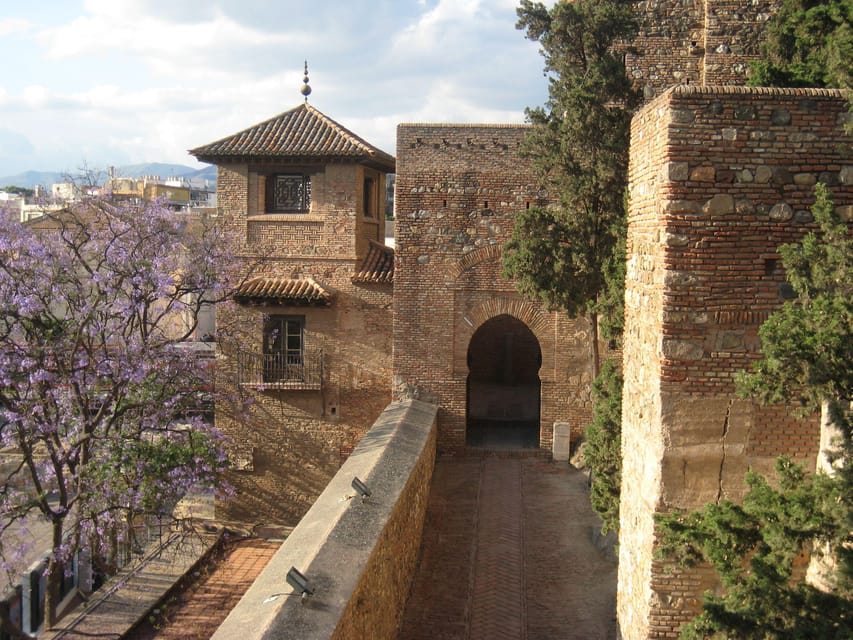
The Roman Theatre is the next included stop. Skip-line entry takes care of admission, while the guide explains the site as part of Malaga’s longer story.
Its placement late in the day gives the itinerary a useful sequence. You begin with the present-day streets, move through Christian architecture and Picasso, then reach evidence of the Roman city before finishing at the Muslim fortress. Malaga’s past is easier to picture when these periods appear in one walking route.
The Roman Theatre is also a reminder that the city is not defined only by its modern art connection. You see a different kind of monument here, one that adds an ancient layer to the day. The visit is likely to suit you if you prefer historical context over a list of famous photo stops.
The Alcazaba and the view over Malaga’s port
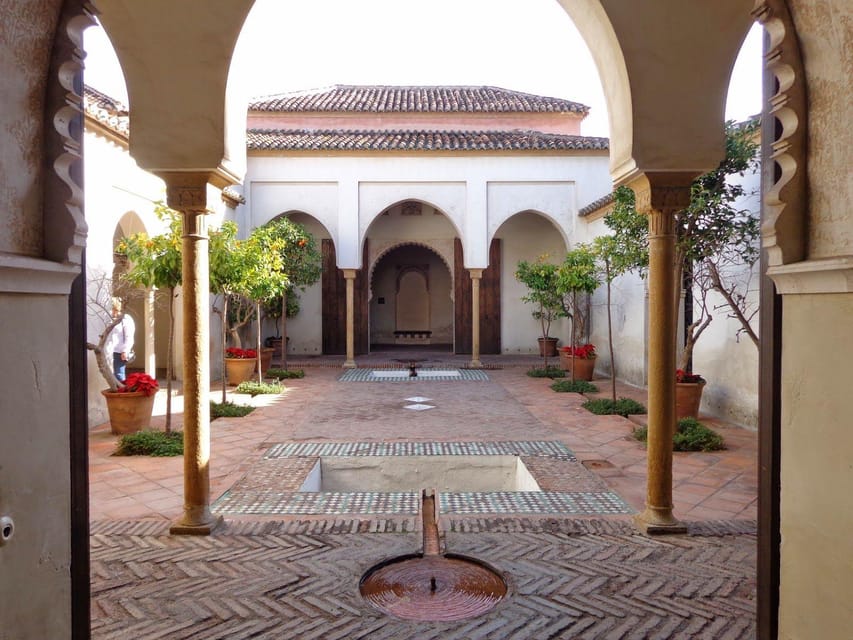
The Alcazaba finishes the route. This Muslim fortress is one of the day’s most dramatic settings, and the tour ends with views toward Malaga’s port.
The timing works well for a final stop because the Alcazaba brings together architecture, defensive design, and a broad view of the city. After walking narrow Old Town streets and spending time inside the Cathedral and museum, the open outlook gives you a different sense of Malaga’s shape.
The experience does not promise a long private visit or a special access area inside the fortress. What it does provide is included entry, a guide, and a finish at one of the city’s most scenic major monuments. The second meeting point is at the stairs of the Alcazaba in Aduana Square, next to the white information point, so make sure you do not return to Constitution Square after the pause.
The route is not suitable for wheelchair users. That is especially important for a monument such as the Alcazaba, where stairs and uneven access may affect how the visit works. If mobility is a concern, this is not the right choice based on the stated access information.
How the guides shape the experience
A small group is only useful when the guiding is strong. Here, the structure gives each part of the day a clear voice: a history guide for the Old Town and cathedral, then an art and Picasso guide for the museum.
Lidia was described as highly prepared and full of enthusiasm. Esther was praised for her friendly manner and for adding local background to the main facts. Those qualities matter because this itinerary covers a lot. A guide who can explain why a site matters, not only what it is called, helps prevent the day from becoming a rushed parade of monuments.
The English-language format is clear. If you want a Spanish-language tour or a private guide, this is not the option described here. The group is small, but it is still a shared experience.
Price, pace, and who gets the most value
The $94 price is reasonable for someone who wants four admissions bundled with a guided Old Town walk and two areas of specialist commentary. You also save the effort of working out separate tickets and visit order.
The price is less compelling if you prefer to see Malaga at your own pace. You may want more time at the Picasso Museum, a long lunch, or an unplanned stop in the Old Town. This tour has a fixed structure, a six-hour commitment, and a scheduled return at 4 p.m. for the final section.
I would recommend it most strongly to:
- First-time visitors with one full day for central Malaga
- People who want historical explanation rather than self-guided sightseeing
- Art lovers who want Picasso placed in his Malaga setting
- Visitors who prefer a group of six rather than a large coach-style outing
- Anyone who wants the main central admissions handled in advance
I would be more cautious if you dislike long walking tours, need wheelchair access, or want a flexible schedule. The activity also prohibits pets except assistance dogs, and the monuments do not allow flash, video, or audio recording.
Free cancellation is available up to 24 hours before the tour for a full refund, and you can reserve now and pay later. Those policies make the booking less rigid, though they do not change the demanding pace of the day.
Should you book this Malaga highlights tour?
Book it if you want a well-packed introduction to central Malaga and value a guide’s explanation at every major stop. The strongest reasons are the small group, the four included monuments, the two guide specialties, and the mix of Roman, Muslim, Christian, and modern art.
Skip it if you want a loose day with long café breaks or if six hours on foot sounds tiring. Also check the clothing, recording, and mobility rules before paying.
For many first-time visitors, this is a sensible way to cover Malaga’s essential sights without spending the day in ticket lines or piecing together separate visits. Just treat it as a structured full-day program, not a casual stroll.
FAQ
How long does the Malaga highlights tour last?
The tour lasts six hours. It includes the Old Town walk, Malaga Cathedral, the Picasso Museum, the Roman Theatre, and the Alcazaba.
Where does the tour begin?
Meet at Constitution Square near the Spanish flag. The guide carries a yellow umbrella or a sign saying Memorias de Malaga.
Where do I meet the guide after the pause?
At 4 p.m., meet at the Alcazaba stairs in Aduana Square, beside the white information point.
Are entrance tickets included?
Yes. Tickets and skip-line entry are included for Malaga Cathedral, the Picasso Museum, the Roman Theatre, and the Alcazaba.
What language is the tour in?
The live guided tour is in English.
How many people are in the group?
The group is limited to six participants.
Is the tour suitable for wheelchair users?
No. The activity is not suitable for wheelchair users.
Just added around Malaga
- San Miguel Cemetery Tour of Malaga★ 5.0 · 3 reviews
- A Self-Guided Tour of Ancient Malaga’s History★ 4.5 · 3 reviews
- MALAGA: ULTIMATE FLAMENCO & TAPAS TOUR★ 5.0 · 3 reviews
- Private Winery Tour and Visit to Ronda★ 5.0 · 3 reviews
- Ronda and Setenil from la Costa del Sol★ 3.8 · 3 reviews
- Private tour in Malaga from Costa del Sol★ 4.5 · 3 reviews
- From Nerja/Almunecar: Sierra Nevada and Alpujarra day trip★ 4.0 · 3 reviews
- From Seville: Ronda and Setenil de Las Bodegas Private Tour★ 5.0 · 3 reviews
City Sightseeing Tours, compared.

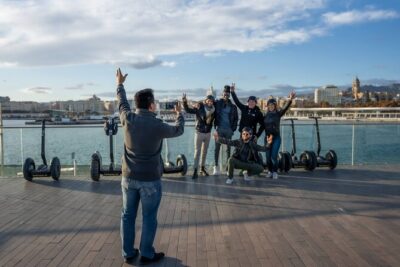
Malaga City Tour 2 Hours Monumental Segway Tour
Read our review →
Malaga Expert Tour with Local Guide in Eco Tuk Tuk Private
Read our review →
Highlights, Hidden Gems and Coast Vintage Bike Tour
Read our review →

Browse the lists this tour appears in