
Reviewed · PICASSO MUSEUMS AND ART
Málaga: Museo Picasso Málaga Entry Ticket
Málaga’s Picasso museum does more than hang famous paintings on white walls. It follows the artist from his early academic studies through Cubism, ceramics, Neoclassical work, and his late paintings, all inside the handsome Palacio de Buenavista. Beneath it, Phoenician, Roman, and Arabic remains add an unexpected second story to your visit.
I like the clear timeline and the range of materials, from drawings and sculpture to ceramics and graphic work. I also like the freedom to move at your own pace, with a mobile audio guide in many languages and enough time to pause over the works that catch you.
The main consideration is size and demand. This is a focused museum, not an all-day art complex, and the audio guide covers only selected works. Timed tickets can sell out, so booking ahead matters, especially in summer and on popular mornings.
In This Review
- Key points at a glance
- Picasso in his birthplace, inside a 16th-century palace
- Following 141 works through Picasso’s changing styles
- The timeline makes a difficult artist easier to understand
- Temporary exhibitions add another reason to visit
- Go downstairs for Málaga’s archaeological layers
- What the timed entry is really worth
- Bags, water, children, and access
- How to build the visit into your Málaga day
- Who will get the most from this museum?
- Should you book Museo Picasso Málaga?
- FAQ
- Where is Museo Picasso Málaga?
- How much does the entry ticket cost?
- How long is the ticket valid?
- Does the ticket include the permanent collection?
- Are temporary exhibitions included?
- Is an audio guide included?
- Which languages are available for the audio guide?
- Can I visit the archaeological remains?
- Is the museum wheelchair accessible?
- Can I bring luggage or a large backpack?
- Can I cancel the ticket?
Key points at a glance
- Picasso from youth to the 1970s: Follow the artist’s changing styles rather than seeing only his Cubist period.
- 141 works in the permanent collection: Paintings, drawings, sculpture, ceramics, and graphic work give you a broad introduction.
- A palace with two architectural languages: Renaissance and Mudéjar details meet calmer modern museum design.
- Archaeology below the galleries: See Phoenician, Roman, and Arabic remains beneath the museum.
- Timed entry saves time: A reservation helps you avoid turning up to a sold-out day.
- A useful Málaga stop: The museum is central, close to churches, historic streets, cafés, and other sights.
Picasso in his birthplace, inside a 16th-century palace
Museo Picasso Málaga exists because Picasso wanted his work shown in the city where he was born in 1881. That local connection gives the museum a different feel from a general Picasso exhibition. You are not simply looking at an international modern-art figure. You are following the career of Málaga’s most famous artistic son in the heart of his home city.
The museum opened in 2003 after a long effort involving Picasso’s daughter-in-law and grandson, who donated the core of the collection, and the Junta de Andalucía, which organized the larger project. That origin helps explain the museum’s purpose: to give you a readable account of Picasso’s working life, not just a room of his most recognizable images.
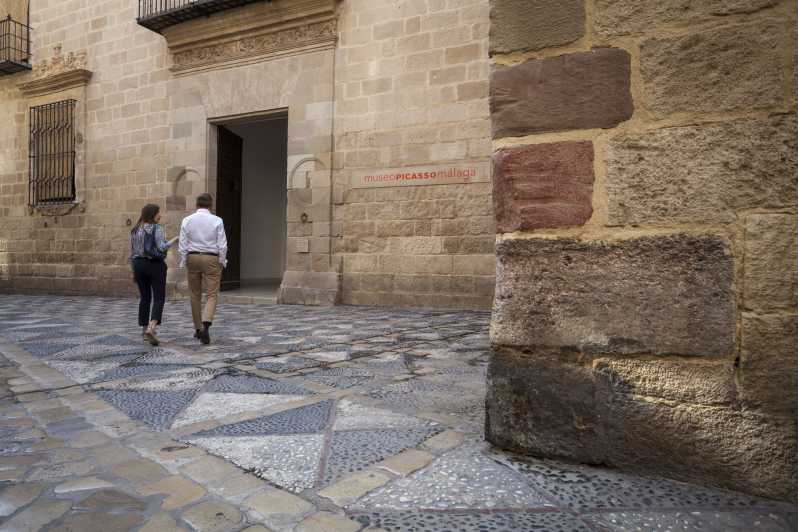
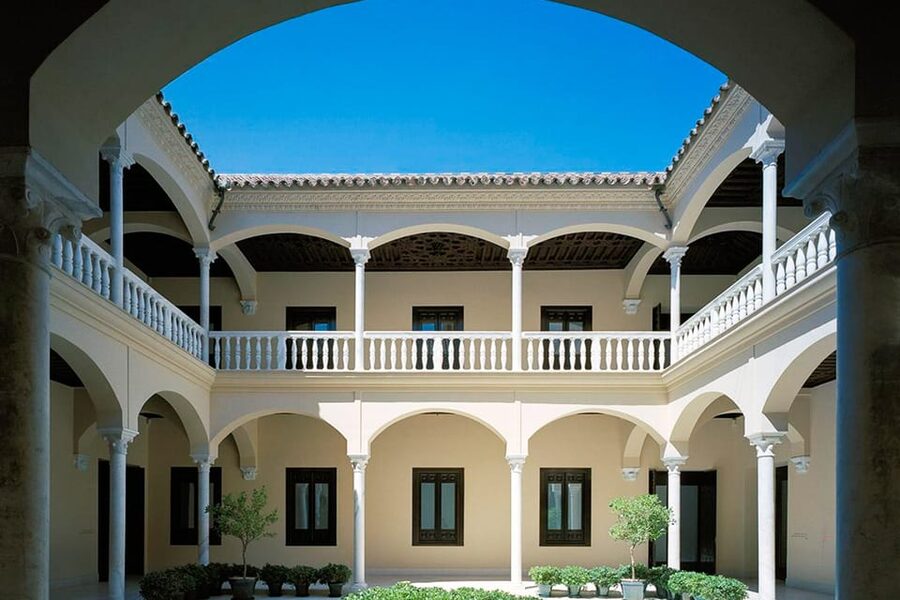
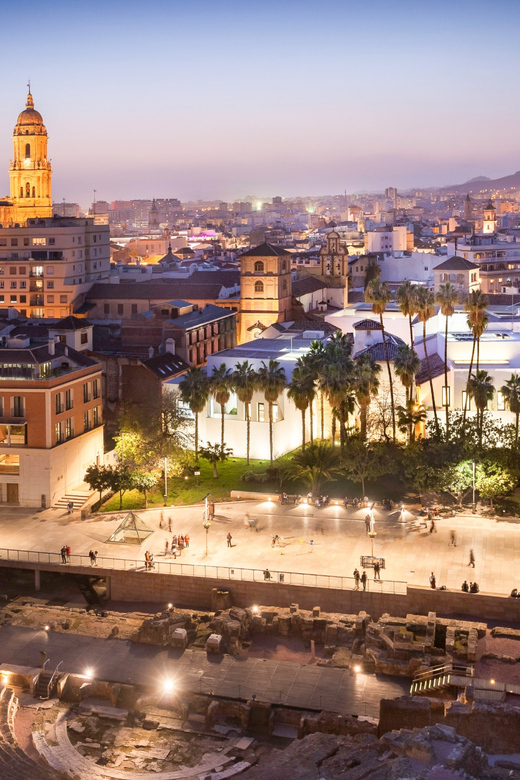
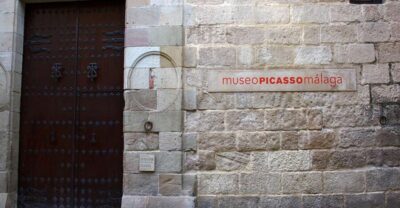
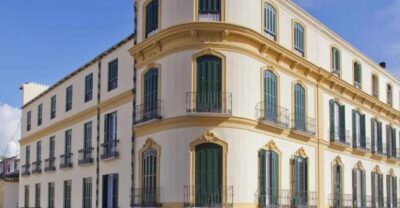
The setting is part of the pleasure. The Palacio de Buenavista was declared a National Monument in 1939, and its design brings together Renaissance and Mudéjar elements with clean contemporary lines. Courtyards, stonework, calm galleries, and modern display spaces make the building feel more intimate than grand.
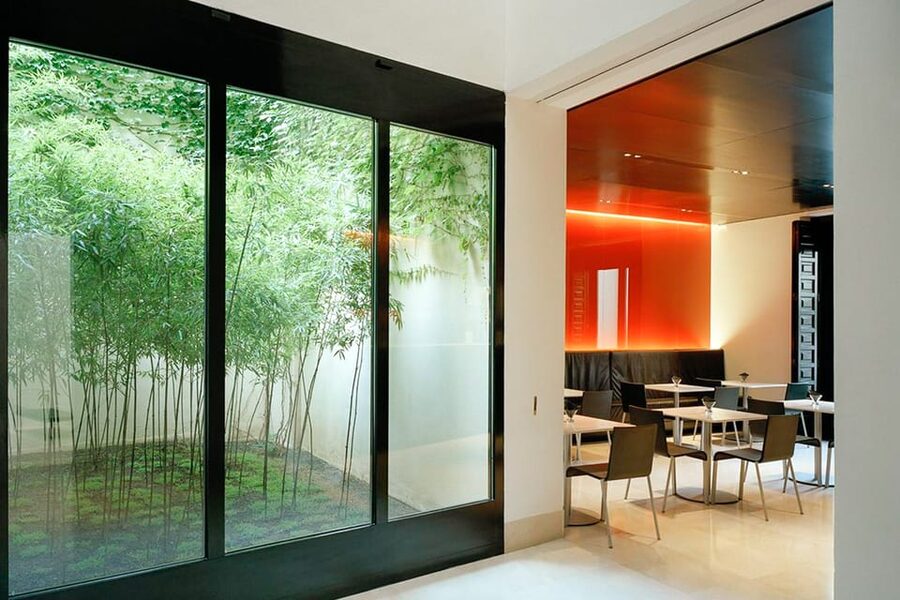
I like this balance. The palace gives the visit a strong sense of place, but the modern additions keep the rooms practical for viewing art. You can also take a break in the garden café, where a snack, lunch, or drink makes a natural end to the museum visit.
More Picasso and museum visits in Malaga:
- Málaga: Center Pompidou Málaga Ticket
★ 4.3 · 656 reviews - Málaga: Museo del Automóvil y la Moda Ticket
★ 4.8 · 584 reviews - Malaga: Picasso Museum Guided Tour with Skip-the-Line Ticket
★ 4.8 · 485 reviews
Following 141 works through Picasso’s changing styles
The permanent collection is arranged to help you see development over time. You begin with Picasso’s early academic studies, then move through the experiments that made his name, his personal version of Neoclassicism, his work in ceramics, and his paintings from the final years of his life.
That order matters. Picasso’s art can seem like a series of disconnected tricks if you see only individual famous pieces. Here, the timeline, photographs, and supporting text help connect the young student with the artist who broke traditional ideas about space and form.
You will encounter overlapping Cubist forms, where objects are shown from several viewpoints at once. Even if Cubism feels hard to read, the museum’s sequence gives you a way in. Look first for familiar subjects, then notice how Picasso fragments, repeats, and rearranges them.
The collection also shows that Picasso was not limited to painting. Drawings reveal his line and speed. Sculptures show how he thought in three dimensions. Ceramics bring a playful, tactile side to the display, while graphic works show how he adapted his ideas to prints and other formats.
The later rooms are especially useful for rounding out your picture of Picasso. His interpretations of Old Masters show him arguing with earlier art rather than simply copying it. The last paintings from the 1970s can feel raw, direct, and very different from the polished early work.
I would allow one to two hours for a comfortable visit. A quick visitor may see the main collection in about an hour, while someone who reads the labels and uses the audio guide will need longer. The museum is not enormous, which is a benefit if you want a manageable art stop rather than a full day indoors.
The timeline makes a difficult artist easier to understand
One of the most useful features is the timeline display linking Picasso’s life and art. Photographs and dates help place the works in sequence, while the galleries show how his methods changed across the decades.
You do not need a specialist background to get value from this. The layout gives you a basic route through Picasso’s career, and the selected works provide enough variety to show why he remains so influential.
The explanations are generally clear, but signage between some areas could be better. If you prefer a strict route, pause at the start and check how the rooms are arranged before moving on. That small step can save you from doubling back.
The audio guide is included through a web app. Scan the QR code with your phone at the appropriate point, then use your own device and headphones if you have them. It is available in Spanish, Chinese, English, French, German, Italian, Japanese, Arabic, Portuguese, Russian, Basque, Catalan, Galician, and Korean.
Here is the practical catch: the audio guide covers a selection of pieces, not every work. One visitor found the opening instructions unclear, and another missed the audio because the QR code was not scanned at entry. Scan it before you get absorbed in the galleries, and make sure you understand how to move between the numbered explanations.
For visitors who are blind or visually impaired, audio-written guides are available in Spanish. Spanish sign-language support is also available for Pablo Picasso: Structures of Invention. The Unity of a Life’s Work.
Temporary exhibitions add another reason to visit
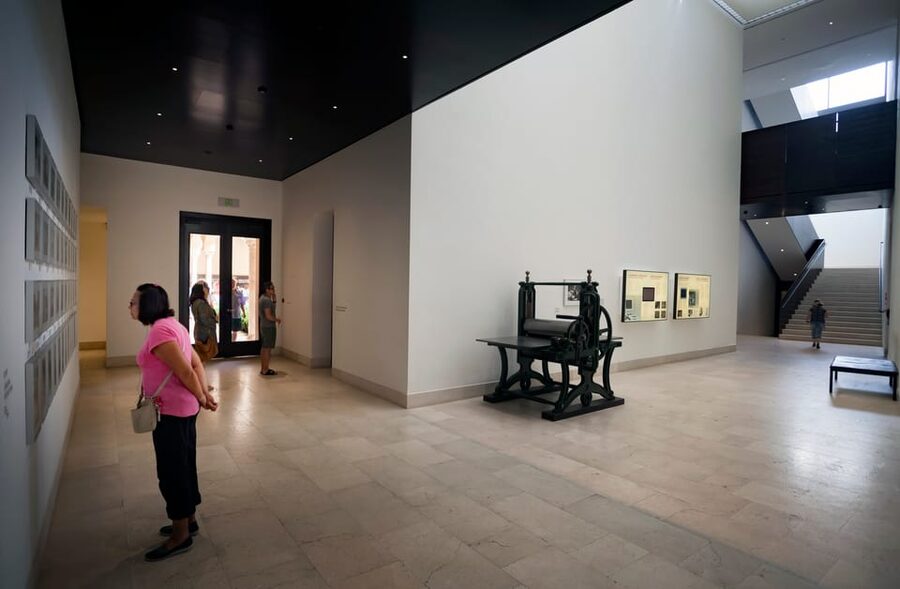
The ticket includes temporary exhibitions as well as the permanent collection. The specified dates include William Kentridge’s More Sweetly Play the Dance, from November 21, 2024, to April 27, 2025, and Picasso: The Royan Sketchbooks, from January 31 to May 5, 2025.
Exhibitions change, so check the current program before booking if a particular show is important to you. The temporary galleries can change the character of the visit. Some displays focus on Picasso, while others place his work beside artists who followed or responded to him.
The supplied information also refers to exhibitions by Oscar Domínguez and Farah Atassi during other periods. These shows were a pleasant surprise for people who had planned to see only Picasso, but you should not assume they will still be on display when you arrive.
I like the way temporary shows can make a return visit worthwhile. Still, judge the ticket mainly on the permanent collection. That is the part designed to give you the full story of Picasso’s artistic development.
A few more Malaga outings worth comparing
- Caminito del Rey: Guided Tour and Entry Ticket
★ 4.6 · 11,286 reviews - Caminito del Rey: Entry Ticket
★ 4.8 · 4,710 reviews - Malaga: Hammam Al Ándalus Entry Ticket with Massage
★ 4.7 · 2,498 reviews - Nerja: Caves of Nerja Entry Ticket with Audio Guide
★ 4.6 · 1,616 reviews
Go downstairs for Málaga’s archaeological layers
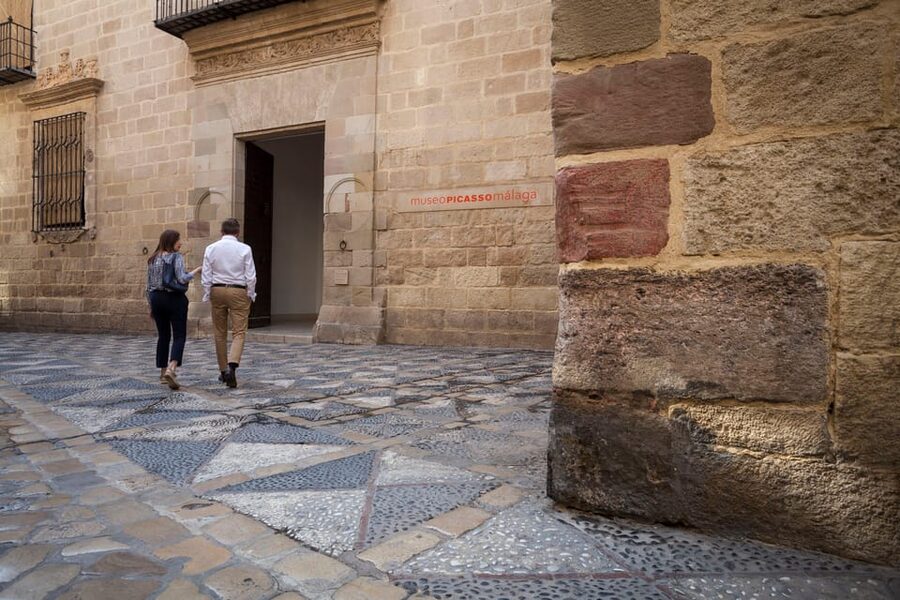
Do not leave after the art galleries. The lower floor contains archaeological remains from the Phoenician, Roman, and Arabic periods, found during the museum’s construction.
This is a small but valuable addition because it ties the building to Málaga’s older past. Picasso is the main subject upstairs, but the ruins remind you that this city’s story reaches back far beyond the modern era.
The archaeological site can be entered with any museum ticket. You do not need a separate reservation for that section, which makes it easy to visit at the end if you are short on time.
I would plan a few extra minutes for it, even if ancient remains are not the main reason you came. The Phoenician material, in particular, reaches back to the sixth century BC according to the information provided about finds beneath the museum.
What the timed entry is really worth
At about $15 per person, the ticket is fairly priced for a central Málaga museum with a permanent collection, temporary exhibitions, an audio guide, archaeological remains, and access to a café and bookshop.
The strongest value comes from the breadth of the collection. You are not paying to see only one celebrated painting. You get a structured account of Picasso’s career across several media, plus the setting and archaeology.
The timed reservation also has practical value. On busy days, people without advance tickets have been turned away when the museum reached capacity. Some visitors entered directly at their reserved time, while others still faced a short queue, especially when arriving near a busy slot.
Your access time includes a 15-minute margin. I would still arrive about 10 minutes early, particularly for a morning appointment. The first time slot is a smart choice in summer, when queues later in the day may form in the sun.
The ticket is valid for one day, not for a guided group itinerary. You can spend as long as you like within the museum’s opening schedule on that date, moving at your own pace. Free admission is available on Sundays during the final two hours before closing, though the timed-entry and capacity rules still make it sensible to check current arrangements.
Cancellation is free up to 24 hours in advance, and you can reserve now and pay later. Those terms help if your Málaga plans are still shifting.
Bags, water, children, and access
Large bags, luggage, bicycles, scooters, tricycles, pets, food, and drinks are not allowed in the galleries. Cloakroom lockers accept suitcases and backpacks up to 55 by 35 by 20 centimeters, and anything stored must be collected the same day.
Umbrellas and other objects considered potentially dangerous must also go into the cloakroom. Food and drinks can remain inside your bag, but you cannot take them into the exhibition rooms.
Summer visitors should plan carefully. The museum offers a cool break from Málaga’s heat, but you cannot carry a drink through the galleries. Drink before entering or use the café afterward.
The museum is wheelchair accessible. Children under 13 must be accompanied by an adult. I would bring older children who enjoy drawing, unusual shapes, or hands-on-looking objects, but a two-year-old may find the quiet rooms restrictive. Touching works and loud behavior are not suitable here.
How to build the visit into your Málaga day
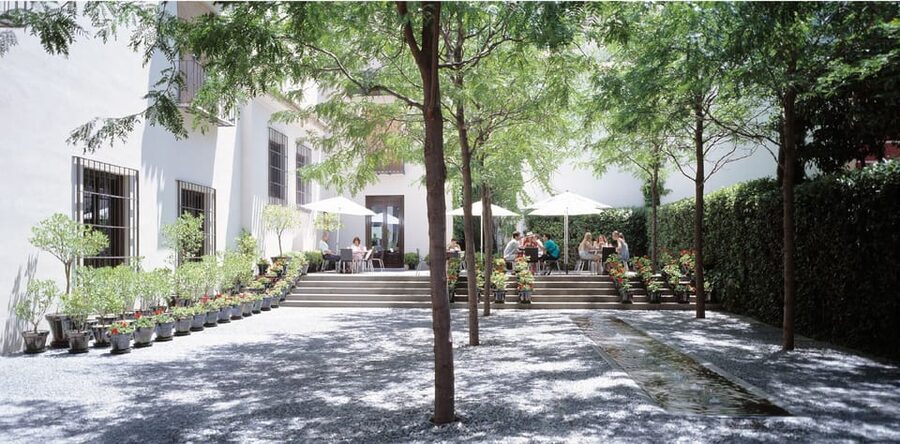
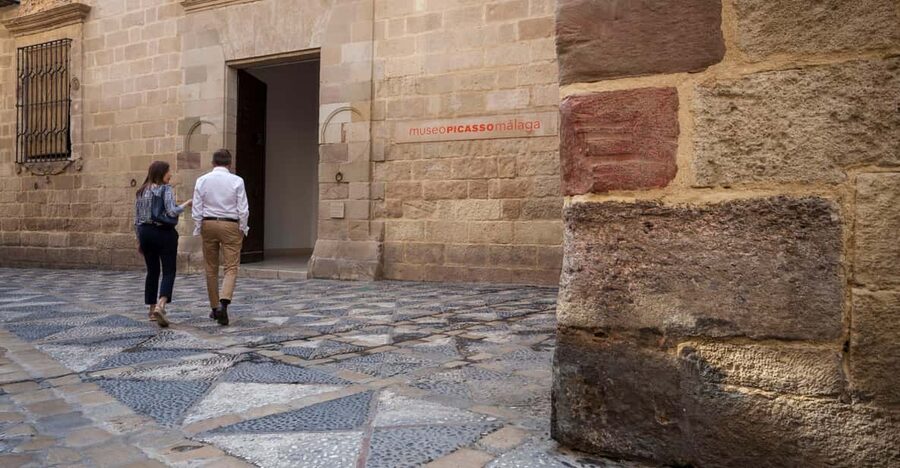
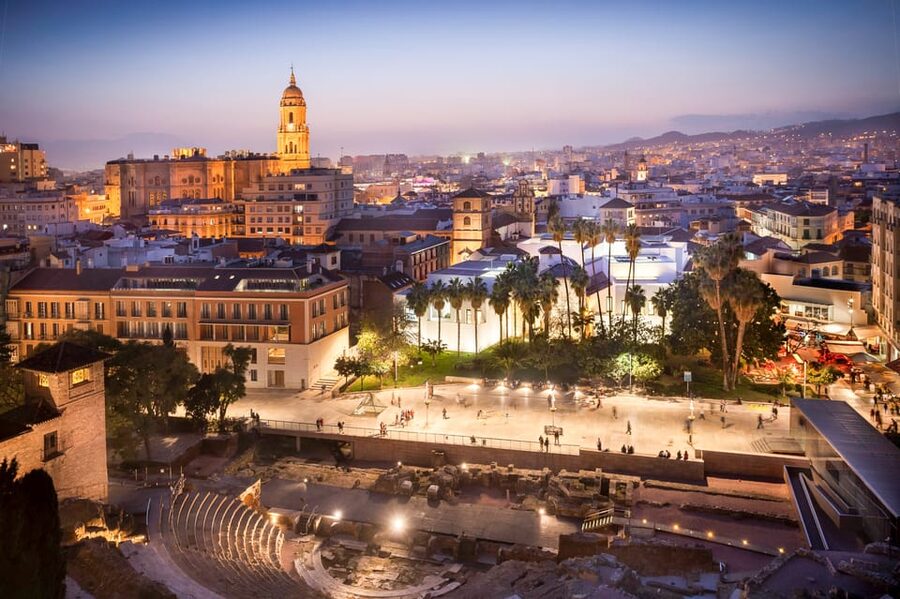
The museum is at Palacio de Buenavista, Calle San Agustín, 8, in central Málaga. Its location makes it easy to combine with nearby churches, historic streets, and other city sights.
I would visit early, then continue on foot through the surrounding center. An early museum slot gives you quieter galleries and leaves the afternoon open. In hot weather, reverse the plan and use the museum as a cool indoor stop, but expect more competition for the popular time slots.
Allow time for the café courtyard. It is not just a place to buy something quickly. The garden offers a peaceful pause after the concentration required by Picasso’s work, and the café can turn a one-hour museum stop into a relaxed part of your day.
The bookshop is also included as part of the museum facilities. It is useful if you want a catalogue, a Picasso book, or a souvenir tied to the collection rather than a generic Málaga item.
Who will get the most from this museum?
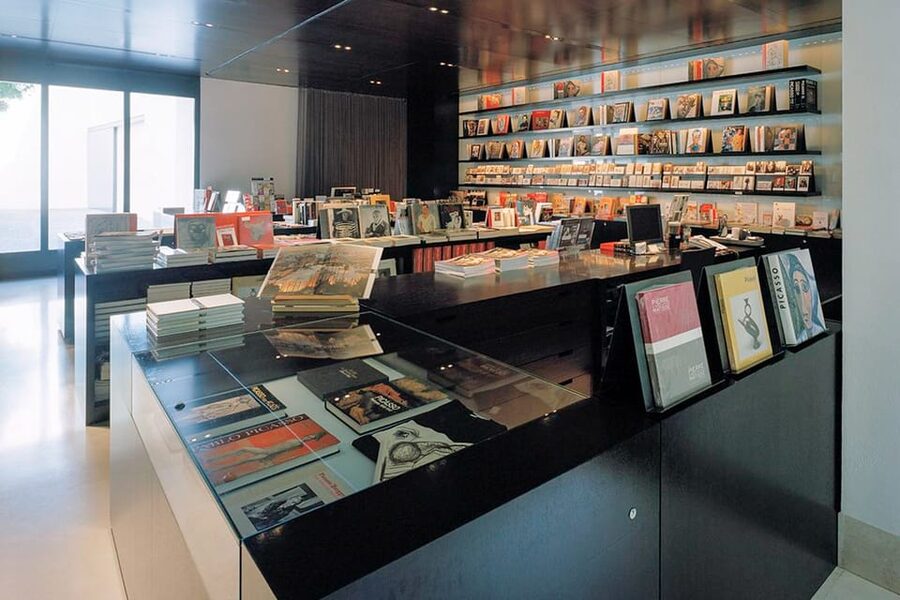
This is a strong choice for first-time Picasso visitors. The chronological presentation gives you a clear starting point, even if you know little about modern art.
It also suits committed Picasso fans because the collection covers many periods and media. You can focus on Cubism, compare early and late work, or spend extra time with ceramics and drawings.
The museum works well for a short cultural stop. At roughly one to two hours, it fits neatly between other Málaga sights and does not demand the stamina of a giant national museum.
It may be less satisfying if you want a huge collection of iconic masterpieces or an in-depth audio explanation for every object. The museum offers a carefully selected overview, not an exhaustive catalogue, and the audio guide requires a little attention at the start.
The self-guided format is best for people who like freedom. You can pause, skip, return to a room, or finish quickly. If you prefer a live guide explaining every section, this ticket is not built around a named guided tour.
Should you book Museo Picasso Málaga?
Yes, if Picasso interests you even a little, especially if you want to understand how his style changed rather than see only his Cubist work. The palace, the timeline, the temporary exhibitions, and the archaeology make the visit broader than its title suggests.
Book ahead for weekends, summer, and popular morning slots. Choose an early time if you want the easiest entry and cooler conditions outside. Scan the audio-guide QR code as soon as you can, and leave room for the underground remains and courtyard café.
Skip it only if your schedule is extremely tight or you dislike modern art and museum chronology. For most visitors spending time in central Málaga, the $15 ticket buys a focused, well-organized cultural stop with enough variety to justify the hour or two.
FAQ
Where is Museo Picasso Málaga?
It is located at Palacio de Buenavista, Calle San Agustín, 8, Málaga 29015, in central Málaga.
How much does the entry ticket cost?
The listed price is $15 per person.
How long is the ticket valid?
The ticket is valid for one day. Your museum access time includes a 15-minute margin.
Does the ticket include the permanent collection?
Yes. It includes full access to the Museo Picasso Málaga permanent collection.
Are temporary exhibitions included?
Yes. The ticket includes the temporary exhibitions specified for the booking period, including William Kentridge’s More Sweetly Play the Dance and Picasso: The Royan Sketchbooks during their stated dates.
Is an audio guide included?
Yes. The audio guide is provided through a web app that you access by scanning a QR code with your mobile device.
Which languages are available for the audio guide?
Languages include Spanish, Chinese, English, French, German, Italian, Japanese, Arabic, Portuguese, Russian, Basque, Catalan, Galician, and Korean.
Can I visit the archaeological remains?
Yes. Entry to the Phoenician, Roman, and Arabic archaeological remains is included with any museum entry ticket.
Is the museum wheelchair accessible?
Yes, the activity information states that the museum is wheelchair accessible.
Can I bring luggage or a large backpack?
Large bags and luggage are not allowed in the galleries. The cloakroom accepts suitcases and backpacks up to 55 by 35 by 20 centimeters, and stored items must be collected the same day.
Can I cancel the ticket?
Yes. You can cancel up to 24 hours in advance for a full refund. A reserve-now, pay-later option is also available.
Just added around Malaga
- San Miguel Cemetery Tour of Malaga★ 5.0 · 3 reviews
- A Self-Guided Tour of Ancient Malaga’s History★ 4.5 · 3 reviews
- MALAGA: ULTIMATE FLAMENCO & TAPAS TOUR★ 5.0 · 3 reviews
- Private Winery Tour and Visit to Ronda★ 5.0 · 3 reviews
- Ronda and Setenil from la Costa del Sol★ 3.8 · 3 reviews
- From Nerja/Almunecar: Sierra Nevada and Alpujarra day trip★ 4.0 · 3 reviews
- From Seville: Ronda and Setenil de Las Bodegas Private Tour★ 5.0 · 3 reviews
- Private tour in Malaga from Costa del Sol★ 4.5 · 3 reviews
Picasso Museums and Art, compared.
Picasso Museum Guided Tour with Skip-the-Line Ticket
Read our review →
Skip the Line: Malaga Automobile and Fashion Museum Entrance Ticket
Read our review →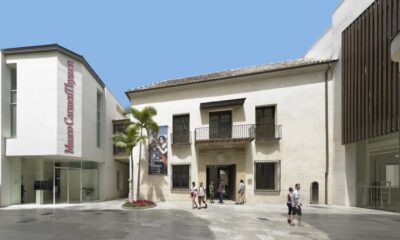
Picasso Birthplace Museum Ticket & City Audio Guide
Read our review →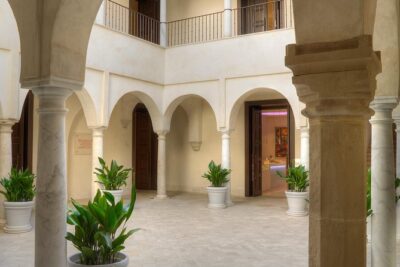

Browse the lists this tour appears in