
Reviewed · ALCAZABA AND GIBRALFARO
Málaga: Alcazaba and Roman Theatre Guided Tour With Entry
Málaga’s Roman Theatre and Alcazaba sit side by side, making this a smart way to meet the city’s Roman and Moorish past in one short visit. The guide adds the stories, legends, and useful context that can be easy to miss when you walk through the monuments alone.
I like the $14 price, which gives you both entry and a live guide, and I like that the tour ends inside the Alcazaba rather than sending you straight back to the street. The main consideration is the pace: ninety minutes is enough for a lively introduction, but not enough for a slow, detailed study of every corner.
In This Review
- Key points at a glance
- A short tour with two very different chapters
- Meeting beneath the red umbrella
- Starting at Málaga’s Roman Theatre
- Entering the 11th-century Alcazaba
- Gardens, courtyards, and the best photo stops
- Why the fast-track entry matters
- The walking demands you should expect
- The guide can shape the whole experience
- Who will get the most from this tour
- Booking, cancellation, and practical value
- Should you book it?
- FAQ
- Where is the meeting point?
- How long does the tour last?
- Which languages are available?
- Are entrance tickets included?
- Does the tour visit both the Roman Theatre and the Alcazaba?
- Can I stay inside the Alcazaba after the guided tour?
- Is the tour suitable for wheelchair users?
- Can I cancel the booking?
Key points at a glance
- Roman and Moorish Málaga together: Begin at the Roman Theatre, then move into the 11th-century Alcazaba.
- Fast-track group access: Enter through a preferred route instead of spending part of your visit waiting in line.
- Guides with personality: Cristina, Salvador, Lucia, Imma, and Belén have been praised for clear explanations, humor, patience, and strong storytelling.
- Free time at the finish: Stay inside the Alcazaba after the guided portion to take photos, rest, and look around.
- Moderate walking with slopes and steps: Comfortable shoes matter, and the tour is not suitable for wheelchair users or people with mobility impairments.
- Three language choices: Tours are offered in English, Spanish, and Italian.
A short tour with two very different chapters
This experience links two sites that tell separate parts of Málaga’s story. The Roman Theatre is low, open, and built around the remains of an ancient performance space. The Alcazaba rises above it as a fortified palace shaped by the Muslim period of Al-Andalus.
That contrast gives the tour a useful rhythm. You start with the city’s Roman foundations, then walk into a maze of walls, arches, towers, courtyards, and gardens. In ninety minutes, you get a clear framework for understanding Málaga rather than a pile of disconnected dates.
The tour is guided as a group, so you should expect to pause while the guide explains a feature and then move on together. This works well for first-time visitors who want direction and stories. If you prefer to linger over inscriptions or photograph every arch without interruption, the schedule may feel brisk.
More Alcazaba and Gibralfaro visits:
- Alcazaba Malaga Guided Tour
★ 5.0 · 1,457 reviews - Malaga Tour with Cathedral, Alcazaba and Roman Theatre
★ 4.5 · 548 reviews - Málaga: Cathedral, Alcazaba, Roman Theater Walking Tour
★ 4.7 · 315 reviews
Meeting beneath the red umbrella
The meeting point is the Glass Pyramid in front of the Roman Theatre. Look for the guide on one side of the pyramid with a red umbrella. That detail matters because the area can be busy, and a clear marker saves time and confusion.
Try to arrive with a little breathing room. The tour is designed to start on time, and the group needs to enter together. One guide, Cristina, was especially praised for waiting briefly for late arrivals, but I would not treat that as a guarantee. The safest plan is to find the pyramid before the scheduled start.
The language options are English, Spanish, and Italian. Guides named Cristina and Salvador have led English tours, while Lucia, Imma, and Belén have also received strong praise for clear and lively explanations. The exact guide depends on the departure you book, but the pattern is consistent: expect a live, story-led tour rather than a recorded audio experience.
Starting at Málaga’s Roman Theatre
The Roman Theatre is the first stop, and it gives you a quick look at Málaga’s ancient Roman chapter. Your guide explains the structure and its purpose while you stand among the surviving remains.
This is a relatively compact stop, which is useful because the Alcazaba takes up most of the visit. You will not spend the entire ninety minutes in the theatre, and one visitor felt that this part could have used more time. That is a fair point if Roman archaeology is your main interest.
Still, the theatre works well as an opening scene. It helps you see that Málaga’s story did not begin with the Moorish fortress. The guide can also connect the site with the wider development of the city and region, giving you useful context before the group moves uphill.
The setting makes the transition especially easy. The Roman Theatre lies directly in front of the Alcazaba, so there is no transport, long walk across town, or complicated change of plan. You move from one historical layer to another almost immediately.
Entering the 11th-century Alcazaba
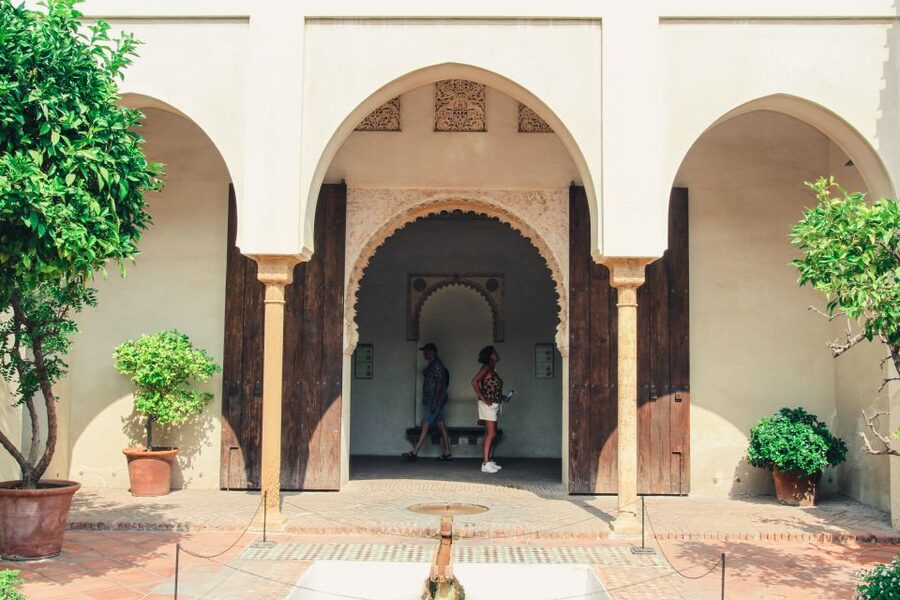
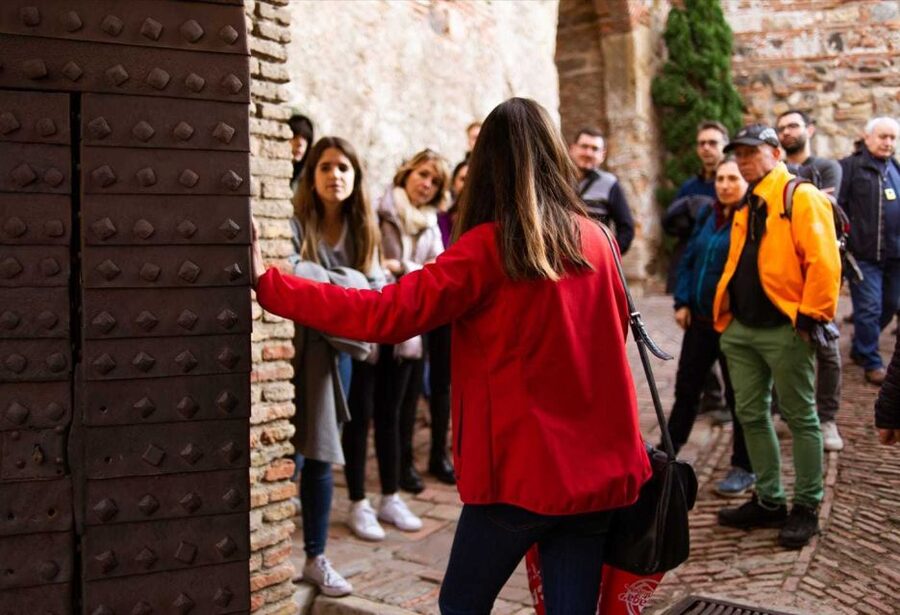
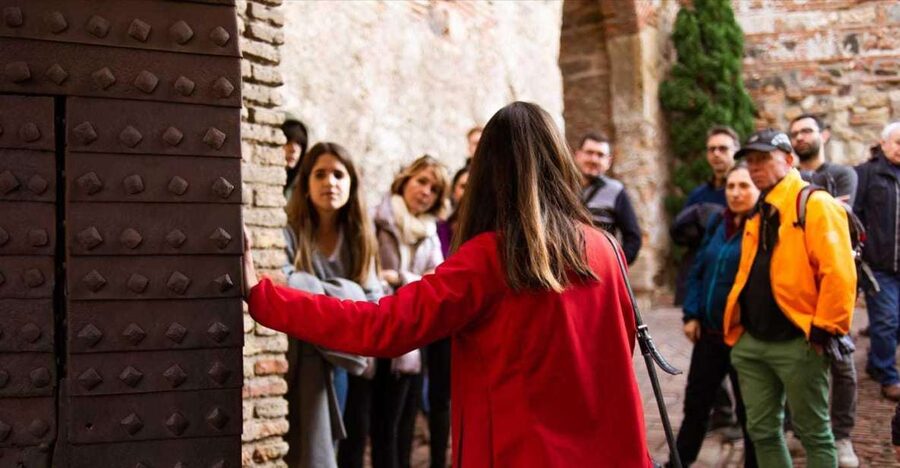
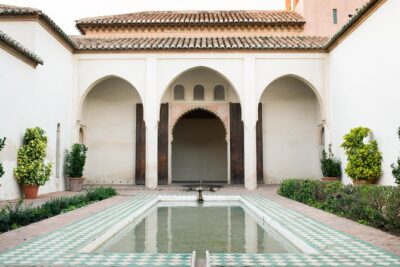
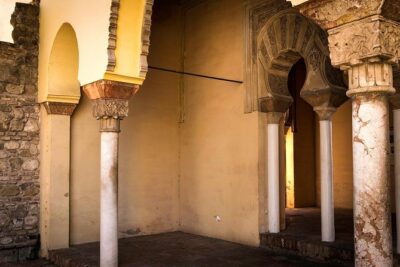
The Alcazaba is the main event. Built in the 11th century, this Moorish fortress-palace combines defensive walls with more graceful palace spaces. You will pass through courtyards, gardens, towers, and arched openings while the guide explains how the site worked and why it mattered.
The clever part of the visit is the way the guide moves between architecture and human stories. You hear about Muslim rule, the design of the palace, the defensive role of the walls, and the Christian conquest of Málaga. Legends and small anecdotes keep the talk from becoming a dry lecture.
Cristina has been praised for using humor, acting, and an entertaining style. Salvador has been valued for answering questions and adding suggestions for restaurants and places to visit around Málaga. Lucia has been appreciated for explaining complicated subjects in an easy way, while Imma has been praised for keeping her Italian-speaking group together and making the material accessible.
Those details matter because the Alcazaba can feel confusing without a guide. Walls lead into courtyards, stairways change direction, and the site contains both military and palatial features. A good guide helps you notice why a space looks the way it does instead of simply pointing out attractive stonework.
A few more Malaga outings worth comparing
- Málaga: Museo Picasso Málaga Entry Ticket
★ 4.4 · 11,138 reviews - From Malaga and Costa del Sol: Gibraltar Tour
★ 4.4 · 4,483 reviews - Malaga: Teatro Flamenco Malaga Live Flamenco Show
★ 4.7 · 4,254 reviews - From Málaga: Ronda+Setenil de las Bodegas with Little Train
★ 4.6 · 4,115 reviews
Gardens, courtyards, and the best photo stops

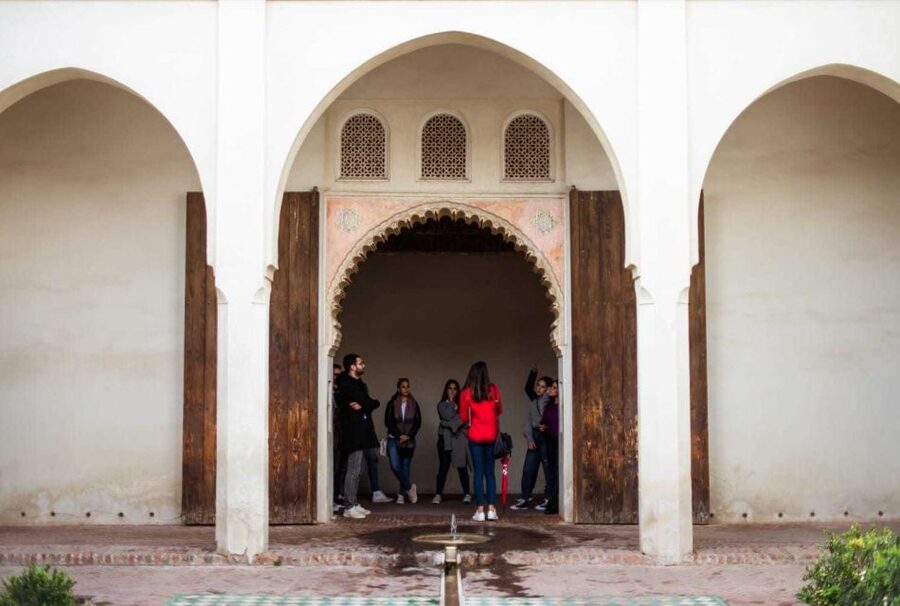
The Alcazaba is not only about walls and military power. Its gardens and courtyards soften the fortress and show the palace side of the complex. You will have time to look at planted spaces, arches, and architectural details while hearing how the site reflects Muslim ideas of shelter, order, and beauty.
The tour also includes stops for photographs. One strength of the format is that the guide does not simply march the group from entrance to exit. Guides have been praised for allowing plenty of photo time and for keeping a moderate pace.
That said, you are still part of a group. You may need to take a quick picture and rejoin everyone before the next explanation. The free time at the end helps solve this problem. Once the guided portion finishes inside the monument, you can stay longer, revisit a courtyard, or take the photos you missed.
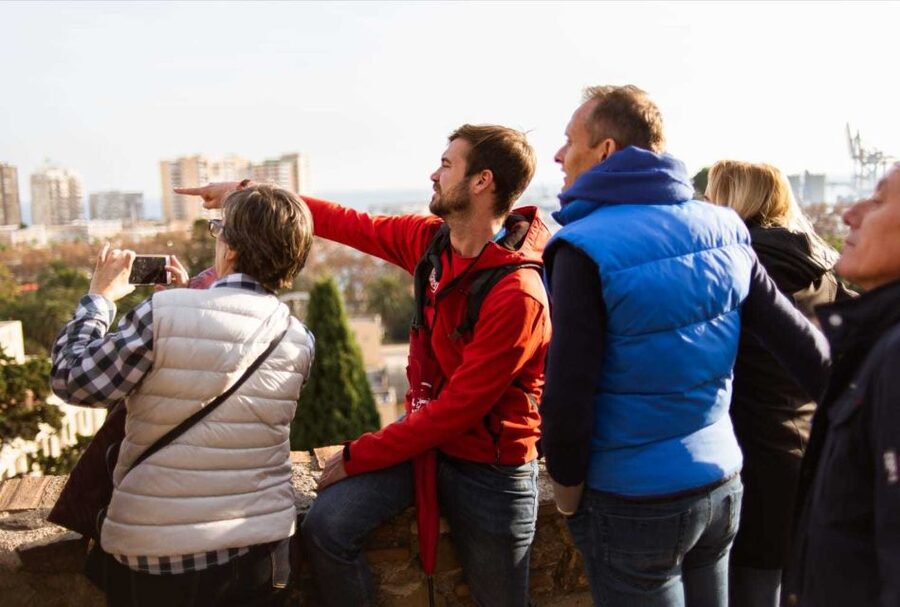
The views add another layer. From the higher parts of the Alcazaba, you can look across Málaga, toward the harbour and out to sea. These viewpoints are among the strongest reasons to visit even if medieval architecture is not your main passion. Bring a camera, but also allow a moment simply to look. The combination of fortress walls, city rooftops, harbour, and sea gives the visit a strong sense of place.
Why the fast-track entry matters
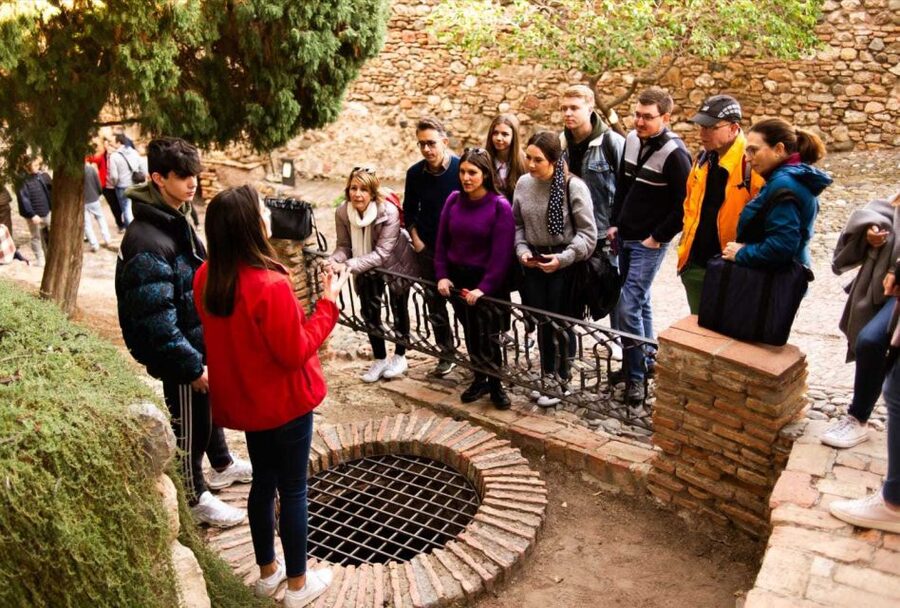
At $14 per person, the tour offers good value because the entrance ticket is included. You are also paying for a guide who organizes the route and provides the historical explanation.
Fast-track group access is useful during busy periods. The Roman Theatre and Alcazaba are central Málaga sights, and waiting outside can eat into a short city break. Preferred entry does not mean you have the monument to yourself, but it should make the start more efficient.
The value is strongest if you have only a day or two in Málaga. You get two major sights, a guide, entry, and a clear ninety-minute structure without having to research the monuments in advance. It also leaves the rest of your day open for the cathedral, markets, museums, or the waterfront.
See also Granada Adventures.
If you already know the history well and prefer reading signs at your own pace, a self-guided visit may offer more freedom. You may also want more time than this tour allows. The price is low enough that the guided introduction makes sense for many visitors, but the tour is not meant to replace a full morning of close study.
The walking demands you should expect
Wear comfortable shoes. The route includes walking through a fortress complex with uphill sections, stairs, and uneven surfaces. The exact physical demands are not described in detail, but the activity is specifically not suitable for wheelchair users or people with mobility impairments.
The pace appears moderate rather than hurried. Belén was praised for checking on a participant recovering from a sprained ankle, and another guide was noted for making quick rest stops when needed. That suggests a considerate approach, but you should still judge the route against your own fitness and comfort.
Rain can affect the experience. On one occasion, the Alcazaba closed because of bad weather, and the guide instead gave a detailed city tour. That shows some flexibility, but it also makes clear that access to the fortress depends on opening conditions. If the Alcazaba is central to your plans, avoid scheduling this as the only possible activity of the day when the forecast looks poor.
Pets are not allowed. There is no stated transport included, so plan to reach the Glass Pyramid independently in central Málaga.
The guide can shape the whole experience
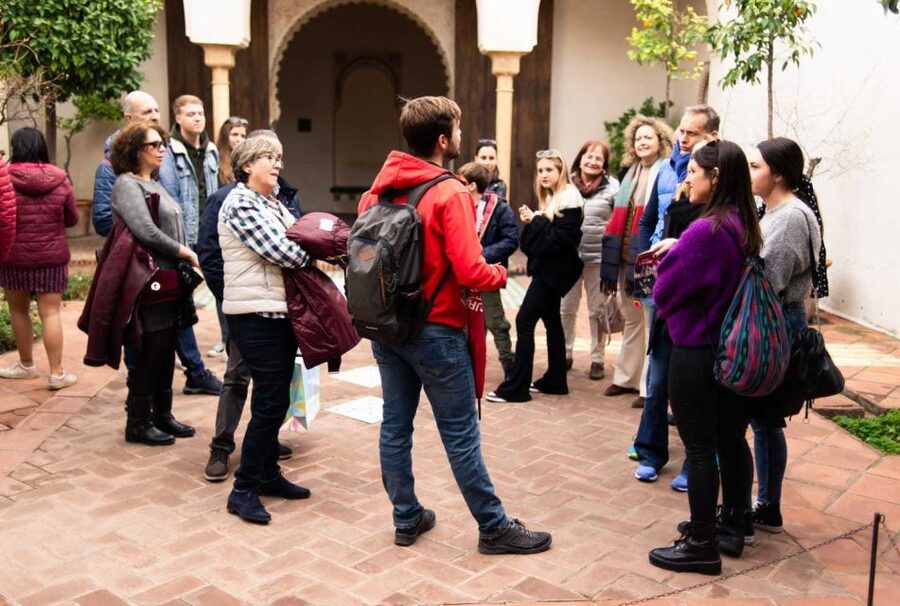
The strongest part of this tour is the human element. The guides are not presented as interchangeable voices. Cristina has been singled out for warmth, humor, and theatrical storytelling. Salvador is praised for broad knowledge of Málaga and for practical recommendations. Lucia is known for a calm, easy-to-follow style, and Imma for clear explanations in Italian.
Belén’s careful attention to a visitor with an ankle injury is also worth noting. A guide who watches the group, checks that people can hear, and pauses for questions can make a major difference in a crowded historic site.
You should expect some variation because different guides lead the departures. One guide may lean more toward comedy and anecdotes, while another may give a more structured account of architecture and regional history. The common thread is an effort to keep the group together and engaged.
Crowds can also shape the visit. At a late-morning tour, school groups made the Roman Theatre noisy. The guide found quieter corners for explanations, but you should not expect silence at a popular Málaga monument. If you want the calmest possible atmosphere, check the available start times and consider avoiding the busiest part of the day.
Who will get the most from this tour
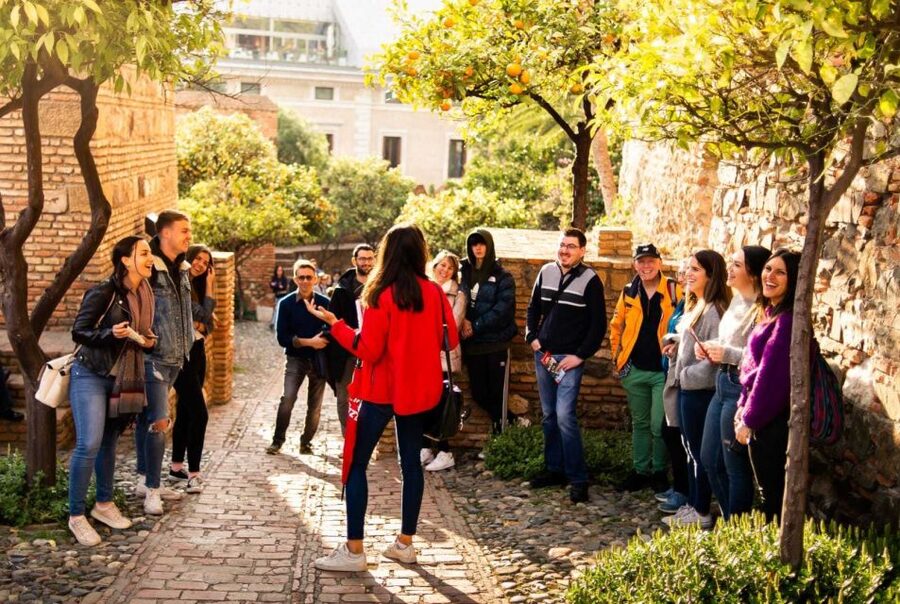
I would choose this tour if you are visiting Málaga for the first time, want the main facts without a long lecture, and like learning through stories. Families and mixed-interest groups should find the humor and short stops easier to handle than a formal academic tour.
It also suits visitors who want to connect Málaga with the wider history of southern Spain. The explanations cover more than the buildings themselves, including the Muslim period, the Christian conquest, and the development of the region.
It may be less suitable if you have limited mobility, need a fully accessible route, or want to spend most of your time on Roman archaeology. It is also not ideal for someone who dislikes group tours or needs complete control over the pace.
The free time at the end gives the format a welcome bit of independence. You get the benefit of a guide first, then a chance to explore and photograph the Alcazaba without being hurried out as soon as the talk ends.
Booking, cancellation, and practical value
The activity lasts 1.5 hours, with departure times shown according to availability. You can cancel up to 24 hours in advance for a full refund, and the reserve-now, pay-later option keeps your plans flexible.
Those terms are helpful if your Málaga schedule may change. The main practical task is simply finding the Glass Pyramid and the red umbrella on time.
At $14, I see this as an easy value choice for most first-time visitors. The entry ticket alone would not give you the guide’s explanations, stories, or route planning. You are also not paying for a long excursion with transport, so the price matches the compact focus of the experience.
Should you book it?
Book this tour if you want a friendly, efficient introduction to Málaga’s Roman Theatre and Alcazaba, especially if you value lively storytelling and fast-track entry. The guides have earned praise for humor, clear explanations, patience, and helpful local advice.
Skip it if you need an accessible route, dislike walking on slopes and steps, or want several unhurried hours inside the monuments. For everyone else, the combination of two major sites, included entry, sea views, and free time inside the Alcazaba makes this a sensible $14 addition to a Málaga visit.
FAQ
Where is the meeting point?
Meet at the Glass Pyramid in front of Málaga’s Roman Theatre. The guide waits on one side of the pyramid with a red umbrella.
How long does the tour last?
The tour lasts 1.5 hours.
Which languages are available?
The live tour is offered in English, Spanish, and Italian.
Are entrance tickets included?
Yes. Entrance tickets and a guided tour of the Alcazaba are included.
Does the tour visit both the Roman Theatre and the Alcazaba?
Yes. The tour begins at the Roman Theatre and continues into the Alcazaba.
Can I stay inside the Alcazaba after the guided tour?
Yes. The tour ends inside the Alcazaba, so you can stay to take photos, relax in the gardens, and explore freely.
Is the tour suitable for wheelchair users?
No. The activity is not suitable for wheelchair users or people with mobility impairments. Comfortable shoes are recommended.
Can I cancel the booking?
You can cancel up to 24 hours in advance for a full refund. You can also reserve now and pay later.
Just added around Malaga
- San Miguel Cemetery Tour of Malaga★ 5.0 · 3 reviews
- A Self-Guided Tour of Ancient Malaga’s History★ 4.5 · 3 reviews
- MALAGA: ULTIMATE FLAMENCO & TAPAS TOUR★ 5.0 · 3 reviews
- Private Winery Tour and Visit to Ronda★ 5.0 · 3 reviews
- Ronda and Setenil from la Costa del Sol★ 3.8 · 3 reviews
- From Nerja/Almunecar: Sierra Nevada and Alpujarra day trip★ 4.0 · 3 reviews
- From Seville: Ronda and Setenil de Las Bodegas Private Tour★ 5.0 · 3 reviews
- Private tour in Malaga from Costa del Sol★ 4.5 · 3 reviews
Alcazaba and Gibralfaro, compared.
Malaga Tour with Cathedral, Alcazaba and Roman Theatre
Read our review →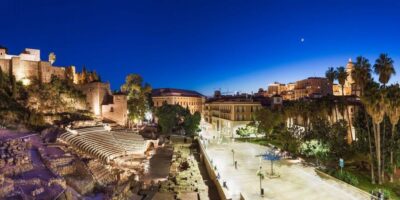
Cathedral, Alcazaba, Roman Theater Walking Tour
Read our review →
Gibralfaro Castle, Bullring and Port Segway Tour
Read our review →
Tour of Malagueta Bullring & Immersive Exhibition
Read our review →

Malaga Private Walking Tour, Alcazaba & Catamaran Cruise
Read our review →
Browse the lists this tour appears in