
Reviewed · WALKING TOURS
Spanish Civil War Private Walking Tour in Malaga
Málaga’s Civil War story comes into focus not in a museum, but on its streets and hills. This private walk with Juan Diego links grand homes, working-class housing, foreign residents, and the city’s sharp social divide to the violent years of the 1930s.
I like the way the tour uses old photographs and written documents instead of relying on a dry lecture. I also like its unusual focus on foreign residents in Málaga, alongside the lives of local workers and wealthy industrial families. The main drawback is physical: there is some climbing, and two and a half hours on foot may feel demanding in hot weather.
In This Review
- Key points to know before booking
- Why Málaga’s Civil War story works best on foot
- El Limonar: wealth, politics, and a city under strain
- The Official College of Architects and the city’s grand villas
- Hotel Castillo de Santa Catalina and the final views
- Juan Diego’s guiding style and use of evidence
- How the private format changes the experience
- Who will get the most from this walk
- Practical details that affect your decision
- Is $120.48 per person good value?
- Should you book the Spanish Civil War walking tour?
- FAQ
- How long does the Spanish Civil War walking tour last?
- What language is the tour offered in?
- Is this a private tour?
- Where does the tour start and finish?
- What locations does the tour visit?
- Do I need a certain level of fitness?
- What happens if the weather is poor?
Key points to know before booking
- A street-level Civil War story: You connect political events with actual homes, hills, and neighborhoods in Málaga.
- Led by Juan Diego: His work combines historical research with his background as a practising architect.
- A private experience: Only your group takes part, so the pace and questions can be more personal.
- Three very different settings: El Limonar, the Official College of Architects, and Hotel Castillo de Santa Catalina each add a different piece to the story.
- English-language guiding: The tour is offered in English, and Juan Diego has also helped guests in English when their Spanish faltered.
- Bring water and wear sensible shoes: The route includes uphill walking, and the experience depends on good weather.
Why Málaga’s Civil War story works best on foot
Many Málaga tours concentrate on the Alcazaba, cathedral, Picasso, and the old center. Those sights matter, but this walk takes you into a less obvious part of the city and asks you to look at buildings as evidence.
The tour examines the decade before and during the Spanish Civil War, with special attention to Málaga. You see how the city’s social divisions shaped daily life. Grand villas and elegant districts sit beside the memory of poorer housing and working-class struggles. That contrast gives the history a human scale.
I find this approach especially useful if you already know the broad outline of the Spanish Civil War. Dates and military movements can seem remote. A real house, a hillside street, or a villa connected to people who lived through the period makes the subject easier to grasp.
Juan Diego’s method also gives the walk a distinctive angle. He has researched the experiences of foreigners who lived in Málaga during the conflict, not only the Spanish political and military story. The result is not a simple tale of heroes and villains. It is a look at how a divided society affected residents, visitors, families, and communities.
More Walking Tours in Malaga
- Málaga: 3-Hour Complete Walking Tour with Tickets
★ 4.5 · 976 reviews - Málaga: Cathedral, Alcazaba, Roman Theater Walking Tour
★ 4.7 · 315 reviews - Malaga Private Walking Tour, Alcazaba & Catamaran Cruise
★ 5.0 · 159 reviews
El Limonar: wealth, politics, and a city under strain
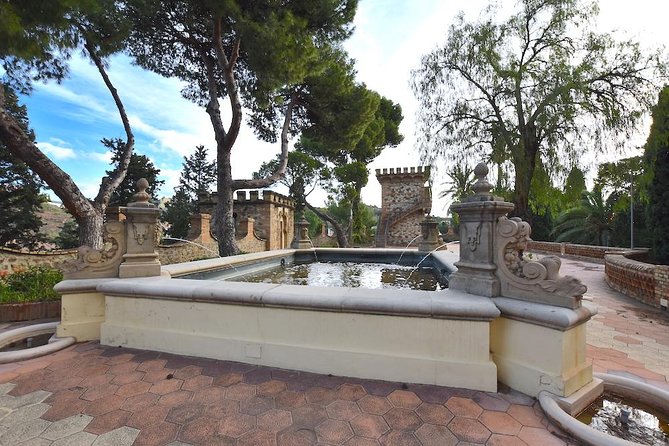
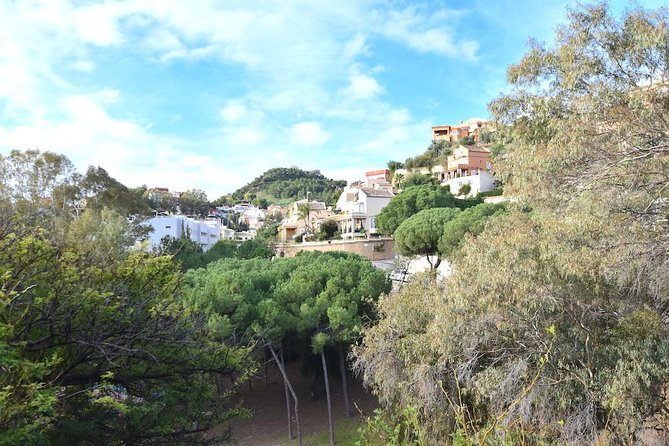
The first stop is El Limonar, a high-society neighborhood east of Málaga’s center. You spend about 45 minutes here, and this is the longest part of the walk.
El Limonar is important because its elegant homes help explain the social structure of Málaga before the war. The area’s villas and streets point to the world of wealthy industrialists and influential families. At the same time, the tour sets that wealth against the difficult conditions faced by the working class.
That contrast is one of the strongest parts of the experience. You are not simply looking at attractive architecture. You are considering who owned these homes, who worked for the people who lived in them, and how the gap between the rich and poor fed political tension.
The guide uses photographs and texts from the period to connect the present-day streets with events from the 1930s. You might find that a quiet residential road feels different once you understand what happened there and who once lived behind its walls.
El Limonar is also where the walking becomes more demanding. The tour includes some climbing, so take water and wear shoes with a good grip. The supplied duration is approximate, but you should still expect to be on your feet for most of the two and a half hours.
The Official College of Architects and the city’s grand villas
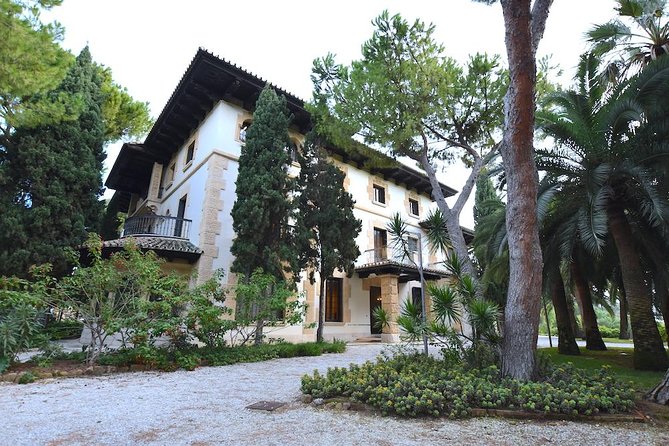
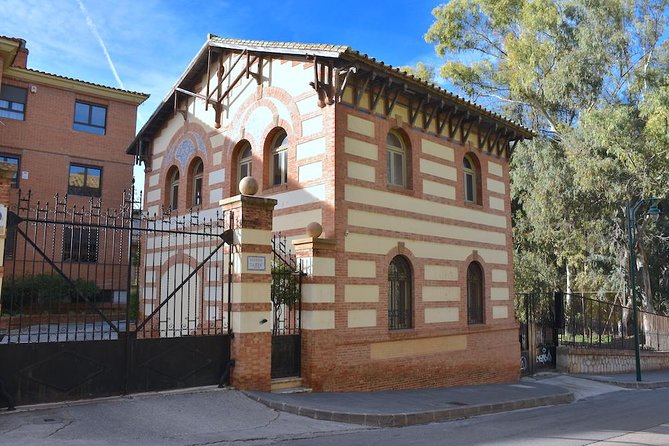
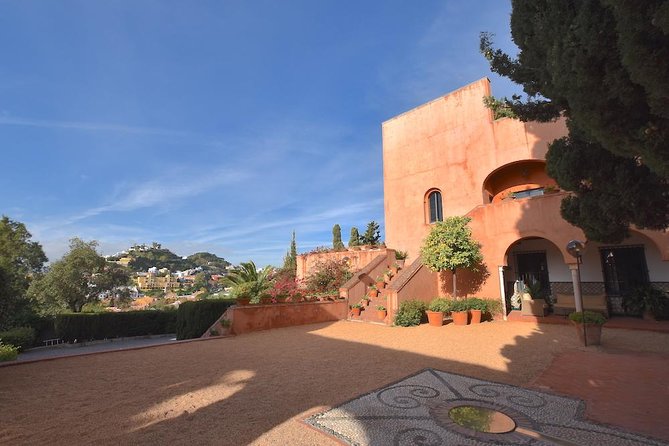
The second stop is the Official College of Architects of Málaga, visited for about 30 minutes. The building is described as an impressive villa from the beginning of the 20th century.
This stop broadens the tour beyond political conflict. Architecture becomes part of the historical evidence. The villa reflects the ambitions and taste of Málaga’s prosperous classes, while its survival allows you to compare the city of the early 1900s with the Málaga you see today.
Juan Diego’s architectural background adds useful context here. He can draw attention to the building itself while explaining the social world that produced it. That combination is valuable because the tour does not treat architecture as decoration. The villa helps you understand the people, money, and status behind the neighborhood.
Admission is free, so there is no extra entrance charge at this stop. Still, this is a walking tour rather than a formal interior museum visit. The focus is on the place, the documents, and the story that connects the building to Málaga’s past.
If you prefer tours packed with indoor collections and objects behind glass, this may feel different. If you like seeing the actual setting of a story, the stop should be more satisfying.
Hotel Castillo de Santa Catalina and the final views
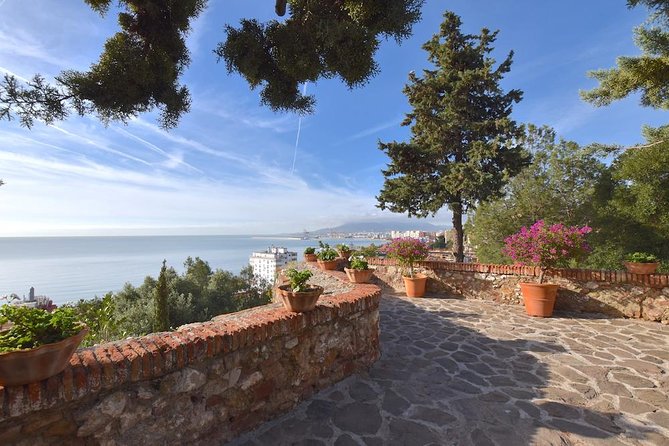
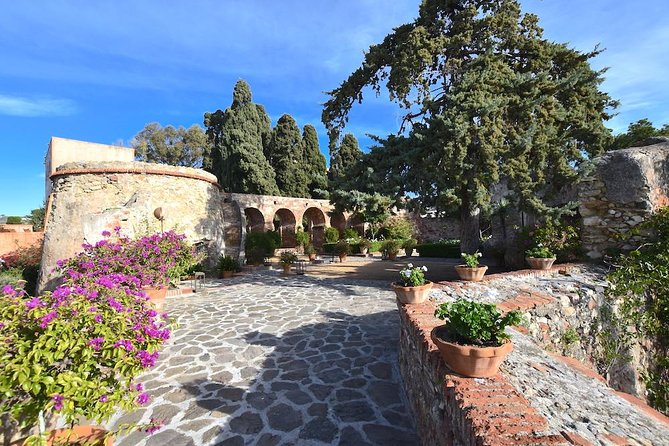
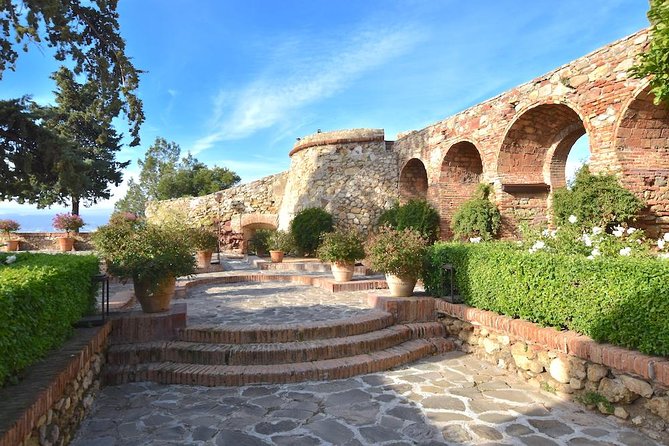
The final stop is Hotel Castillo de Santa Catalina, where you spend about 20 minutes. It is an old castle and villa with impressive views.
The setting gives the tour a strong visual finish. After the social and political discussion in El Limonar and the architectural focus of the villa, Santa Catalina offers a broader view over Málaga. Looking across the city helps you think about geography as well as history. Hills, wealthy residential areas, and the built-up city below are easier to understand from above.
The stop is relatively short, so do not expect a long visit inside the hotel or castle. The value lies in the building, the outlook, and the way Juan Diego uses the location to complete the story.
This is also a useful reminder that the tour is not confined to a flat route through the historic center. The hills make the experience more active. If you have limited mobility or dislike uphill walks, consider that carefully before booking.
Same base, a completely different kind of day:
- Málaga: Caminito del Rey Guided Tour with Transportation
★ 4.8 · 12,183 reviews - Caminito del Rey: Guided Tour and Entry Ticket
★ 4.6 · 11,286 reviews - Málaga: Museo Picasso Málaga Entry Ticket
★ 4.4 · 11,138 reviews - From Málaga & Costa del Sol: Caminito del Rey Guided Tour
★ 4.7 · 7,488 reviews
Juan Diego’s guiding style and use of evidence
The guide is named Juan Diego in the available information, and some references shorten this to Juan. His approach is built around research, photographs, and period texts.
I like that the material is meant to support the spoken explanation rather than replace it. You are not left to inspect a plaque and guess why the location matters. Juan Diego uses the visual record to place people and events in the streets around you.
The subject is painful and remains sensitive in Spain. The tour’s tone is described as compassionate and impartial rather than theatrical. That matters. A Civil War tour can easily become a political argument or a list of atrocities. Here, the aim is to help you understand how ordinary people and foreign residents experienced a divided Málaga.
The guide can also work across languages. The scheduled language is English, but one person who booked in Spanish noted that Juan Diego moved into English whenever needed. That makes the experience more flexible for bilingual groups, though English is the clearest choice if you want the advertised format.
A particularly interesting thread is the role of foreign residents and international volunteers. The tour’s focus includes foreigners who lived in Málaga, and the guide has discussed the presence of roughly 300 Norwegians who came to help during the war. That does not replace the local story, but it adds a side of Málaga’s past that standard sightseeing often skips.
How the private format changes the experience
This is a private activity, so only your group takes part. That is a major advantage for a subject that can prompt difficult questions.
You can ask Juan Diego to pause over a family story, a building, or a political point instead of waiting for a large group to catch up. You can also adjust the pace within reason, which may help on the uphill sections. A private tour is often worth more when the subject is specialized, since the guide does not need to aim at the broadest possible audience.
The tradeoff is price. At $120.48 per person, this is not a cheap quick walk, especially for one or two people. For a larger private group, group discounts may improve the value. The price makes the most sense if you have a real interest in Spanish history, Málaga’s architecture, or personal stories from the Civil War.
At about two and a half hours, the tour gives you enough time for context without taking up an entire day. You can still fit other Málaga sights around it. I would schedule it early in your stay if you want the story to shape the way you see the rest of the city.
The fact that it is often reserved well ahead of time suggests that you should not leave it to the last minute if the subject is important to your trip. Confirmation is sent within 48 hours, subject to availability.
Who will get the most from this walk
This tour suits you best if you enjoy history that is tied to physical places. You do not need to be a Civil War specialist, but some interest in modern Spanish history will help you appreciate the detail.
It is also a good choice if you have already seen Málaga’s major sights and want a different side of the city. The route takes you away from the usual postcard checklist and into neighborhoods where architecture, class, and memory overlap.
Families with older children may find the subject accessible because the guide uses photographs and stories rather than presenting only dates. One account specifically considered the approach suitable for children, but the topic is still serious. Parents should decide if their children are ready for a discussion of war and suffering.
Architecture enthusiasts have another reason to book. The villas and old castle give the tour a clear visual structure, while Juan Diego’s architectural experience helps explain why these buildings matter.
You may want to skip it if you want a relaxed, flat stroll, a broad overview of Málaga, or a tour focused on Roman, Moorish, or Picasso-related sights. This is a specialized experience with a serious subject and some uphill walking.
Practical details that affect your decision
The meeting point is P.º de Sancha, 64, in the Málaga-Este district, and the tour returns to the same address. That makes the route easy to plan because you finish where you began.
The starting point is near public transportation. Check your route before setting out, especially if you are staying in the old center or near the main railway station. The walk itself is not described as accessible, and the advice to have a moderate level of physical fitness should be taken seriously because of the climbing.
The tour operates outdoors and requires good weather. If poor weather causes cancellation, you are offered another date or a full refund. You can cancel for a full refund up to 24 hours before the start time. Cancellations or changes inside that window are not refunded or accepted.
Bring water. That simple tip matters more here than on a flat center-city stroll. Comfortable shoes are also sensible, even though the tour does not state a formal dress code.
Is $120.48 per person good value?
The answer depends on what you want from Málaga. If you are seeking a low-cost way to fill two hours, the price is high. You are paying for a private guide, a specialized subject, original research, and the chance to ask questions without a large group around you.
The value improves if several people share the private booking or if you have already visited the main sights. The tour offers something difficult to recreate on your own: a connected explanation of three locations, supported by images and documents, with the social divisions of Málaga kept at the center.
I would not compare this price with a standard city walking tour. Compare it with a private history lesson that happens in the streets where the story unfolded. If that sounds worthwhile, the cost is easier to justify.
Should you book the Spanish Civil War walking tour?
Book it if you want a thoughtful, place-based look at Málaga’s recent past and you are comfortable walking uphill. Juan Diego’s focus on foreign residents, working-class conditions, wealthy villas, and period photographs gives the tour a clear identity.
I would especially recommend it early in your Málaga stay, when the information can change how you notice the city afterward. Bring water, allow for a serious subject, and choose it for history rather than light sightseeing.
Skip it if you want a flat route, a broad introduction to every period of Málaga’s past, or a tour built around famous monuments. For the right audience, though, this is an unusually personal way to understand a city still shaped by the events of the 1930s.
FAQ
How long does the Spanish Civil War walking tour last?
The tour lasts approximately two hours and 30 minutes.
What language is the tour offered in?
The tour is offered in English. Juan Diego has also used English to assist people who booked in Spanish when their Spanish became difficult.
Is this a private tour?
Yes. Only your group participates in the activity.
Where does the tour start and finish?
The tour starts and ends at P.º de Sancha, 64, Málaga-Este, 29016 Málaga, Spain.
What locations does the tour visit?
The route includes El Limonar, the Official College of Architects of Málaga, and Hotel Castillo de Santa Catalina.
Do I need a certain level of fitness?
A moderate level of physical fitness is recommended. The route includes some climbing, so you should bring water and wear comfortable walking shoes.
What happens if the weather is poor?
The experience requires good weather. If it is canceled because of poor weather, you are offered a different date or a full refund.
Just added around Malaga
- San Miguel Cemetery Tour of Malaga★ 5.0 · 3 reviews
- A Self-Guided Tour of Ancient Malaga’s History★ 4.5 · 3 reviews
- MALAGA: ULTIMATE FLAMENCO & TAPAS TOUR★ 5.0 · 3 reviews
- Private Winery Tour and Visit to Ronda★ 5.0 · 3 reviews
- Ronda and Setenil from la Costa del Sol★ 3.8 · 3 reviews
- From Nerja/Almunecar: Sierra Nevada and Alpujarra day trip★ 4.0 · 3 reviews
- From Seville: Ronda and Setenil de Las Bodegas Private Tour★ 5.0 · 3 reviews
- Private tour in Malaga from Costa del Sol★ 4.5 · 3 reviews
Walking Tours, compared.
Caminito del Rey Gorge Route Guided Walking Tour
Read our review →
Ardales: Caminito del Rey & El Gaitanejo Guided Walking Tour
Read our review →
Guided Walking Tour with English or Spanish Guide
Read our review →
Cathedral, Alcazaba, Roman Theater Walking Tour
Read our review →
Malaga Private Walking Tour, Alcazaba & Catamaran Cruise
Read our review →
Guided Walking Tour of the Old Town of Frigiliana
Read our review →Browse the lists this tour appears in