
Reviewed · ALCAZABA AND GIBRALFARO
Private walking tour: Cathedral, Alcazaba and Roman Theatre
Málaga’s story comes into focus on this compact walk from the Roman Theatre to the unfinished Cathedral, with the Alcazaba linking the two. In a few city blocks, you move from Roman public life to Muslim rule and then Christian power.
I like the private format, since the guide can adjust the route to your interests and walking speed. I also like that the three main admission tickets are included, saving you the chore of buying separate entries.
The main caution is the pace and footing. The advertised time is three hours, while the listed stop times add up to longer than that, and the Alcazaba includes steep sections and cobblestones. Ask how your guide plans the timing if you prefer a relaxed visit.
In This Review
- Key points to know before booking
- Three eras of Málaga in one short walk
- The Roman Theatre and Málaga’s Roman past
- Inside the Alcazaba, Málaga’s Muslim citadel
- Plaza del Obispo and the transition to Christian Málaga
- La Manquita, Málaga’s unfinished Cathedral
- What the private format adds
- Is $119 per person a fair price?
- Who should book this Málaga tour?
- Should you book it?
- FAQ
- How long does the private Málaga walking tour last?
- Which monuments are included?
- Are admission tickets included?
- What languages are available?
- Can the tour pick me up at my hotel?
- Is the tour suitable for wheelchair users?
Key points to know before booking
- Roman Theatre first: See Málaga’s best-preserved Roman remains and learn how the building served both entertainment and civic power.
- The Alcazaba takes the most time: Allow for slopes, stone paths, courtyards, and views across the city.
- La Manquita is more than a nickname: The Cathedral’s unfinished front and its connection to the former mosque are central to the visit.
- A genuinely private route: Your guide can adapt the order and emphasis to your group’s interests.
- Tickets are included: Entry to the Roman Theatre, Alcazaba, and Cathedral is covered.
- Maria Lourdes has guided in French: The published tour languages are English and Spanish, so confirm language availability before booking.
Three eras of Málaga in one short walk
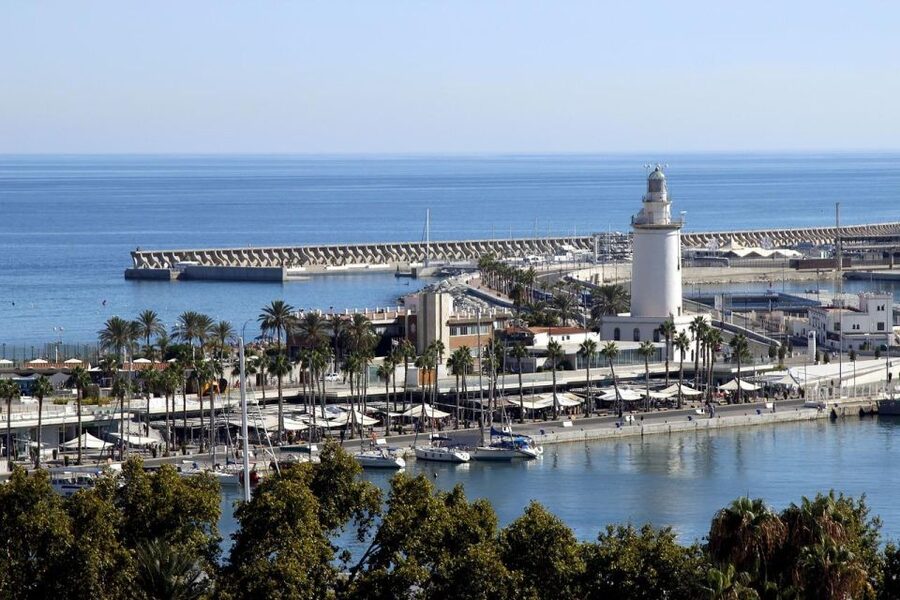
This tour works because the monuments sit close together in Málaga’s historic center. You are not spending half the day in a vehicle or losing time crossing town. Instead, you follow a clear historical line through the Roman, Muslim, and Christian chapters of the city.
The route begins at C/ Alcazabilla, 3, an easy place to reach in the old center. Hotel pickup is also available if your accommodation is in Málaga’s historic center, provided you arrange it at least 24 hours ahead. The tour finishes back at the meeting point.
The private setup matters here. Málaga’s monuments can raise very different questions depending on your interests. You may care most about Roman engineering, military architecture, religious art, or the way several cultures shaped one city. A private guide can spend more time on your chosen subject instead of following a fixed script for a large group.
The tour is offered in English and Spanish. Maria Lourdes has also guided a French-language visit, where she was praised for adapting to the group’s pace and remaining attentive in difficult weather. Since French is not listed among the standard languages, confirm this before reserving if it is important to you.
More Walking Tours in Malaga
- Málaga: 3-Hour Complete Walking Tour with Tickets
★ 4.5 · 976 reviews - Málaga: Cathedral, Alcazaba, Roman Theater Walking Tour
★ 4.7 · 315 reviews - Malaga Private Walking Tour, Alcazaba & Catamaran Cruise
★ 5.0 · 159 reviews
The Roman Theatre and Málaga’s Roman past
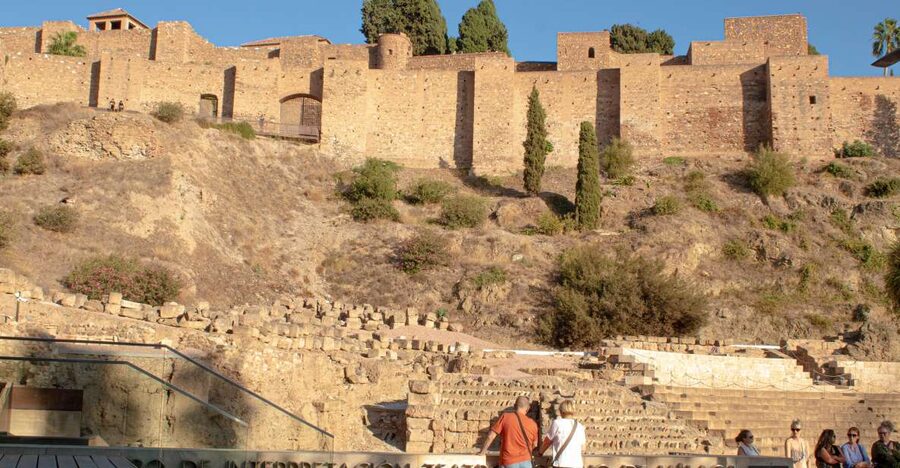
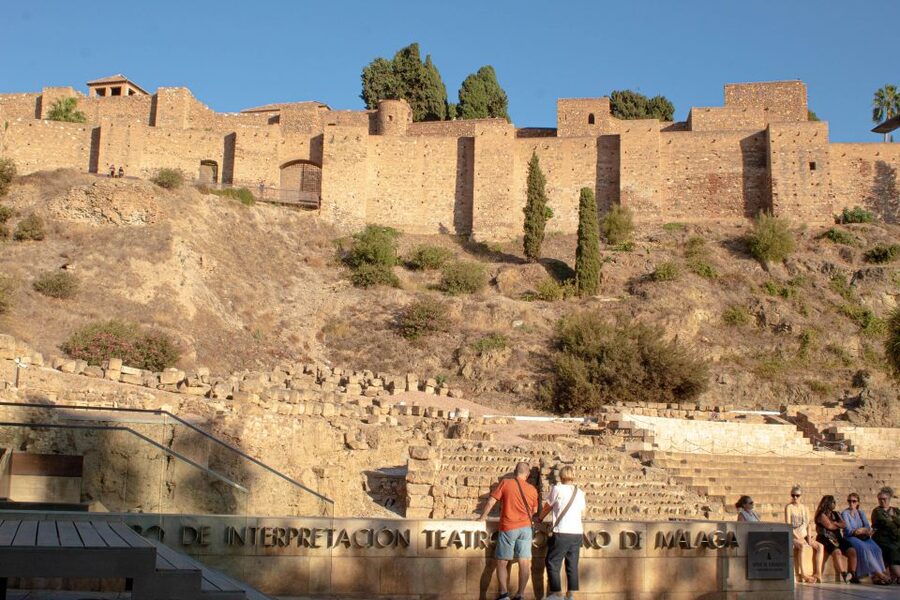
The first major stop is the Roman Theatre, with about 30 minutes set aside for a guided visit. Dating from the first century A.D., it is the clearest surviving sign of the Roman city known as Malacca.
The theatre was not simply a place for shows. It also helped display social rank and political authority. That gives your guide a useful way to explain Roman public life: architecture could entertain people while also showing who held power.
One detail makes the site especially interesting: the theatre was hidden underground for centuries. It was declared a Cultural Interest Asset as an Artistic Monument in 1972, after its importance had been recognized and preserved.
Thirty minutes is enough for an introduction and a close look, but it is not a long archaeological session. If Roman sites are your main interest, tell the guide at the start. The private format gives you a better chance of getting extra context, assuming the timing allows it.
The stop is also a good orientation point. You can see how close the Roman remains are to the Alcazaba, a reminder that Málaga was repeatedly built over and reshaped by later societies. The tour does not treat the monuments as separate attractions. It presents them as layers of one city.
Inside the Alcazaba, Málaga’s Muslim citadel
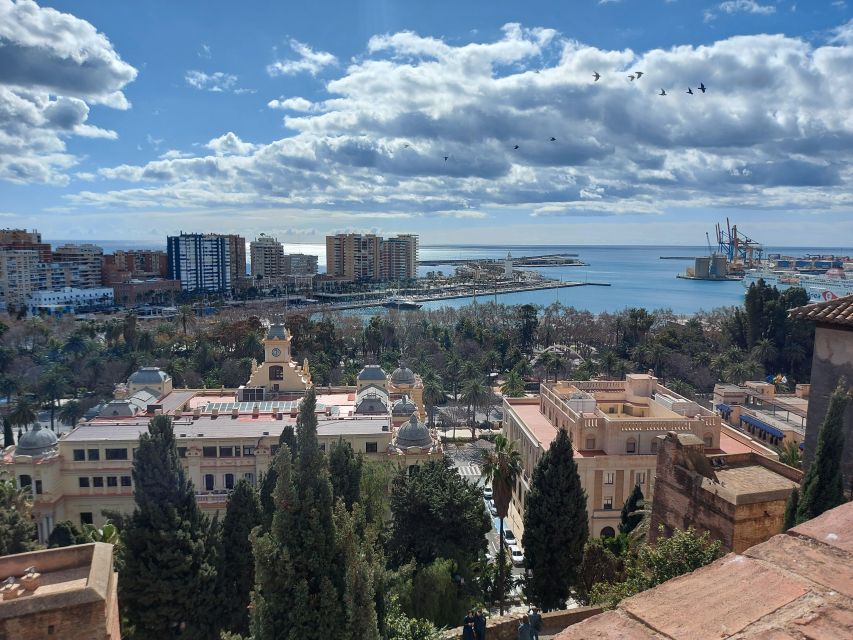
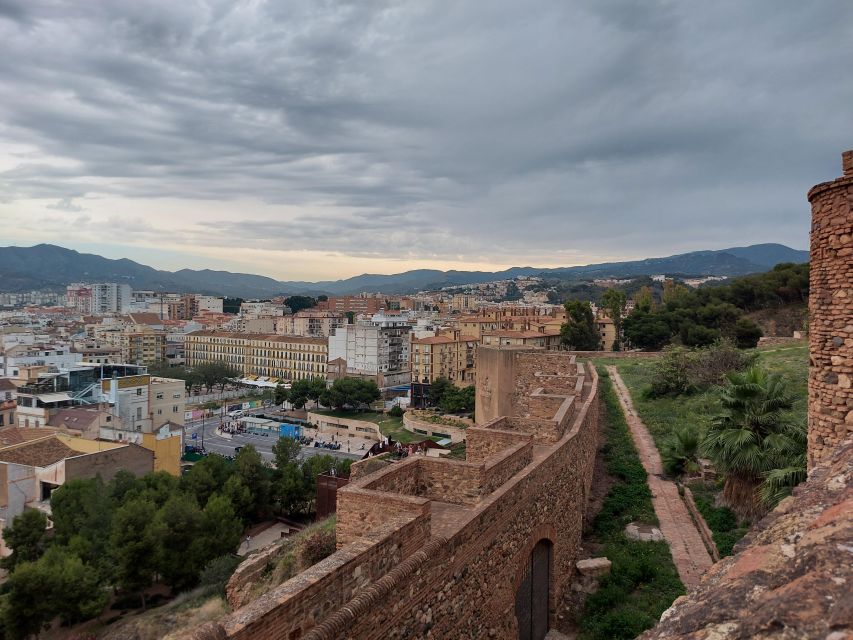
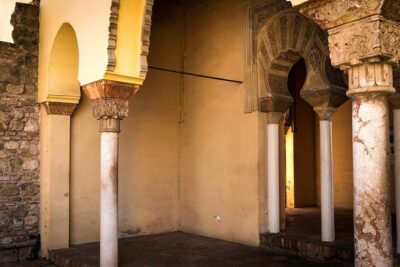
From the theatre, you walk to the Alcazaba, with roughly 80 minutes devoted to the visit. This is the longest stop, and rightly so. The Alcazaba is a palatial fortification built in the 11th century on the lower slopes of Mount Gibralfaro.
Its Arabic name means citadel. Muslim rulers lived here, and the building combined defense with the needs of a palace. It was once considered one of the strongest defensive works of its time, earning a reputation as nearly impossible to take.
Expect a visit that involves walking, inclines, stone surfaces, and changes in level. The cobblestones and steep areas can be difficult for people with mobility problems, and the activity is not suitable for wheelchair users. Comfortable shoes are not optional here. Wear clothing that lets you move easily, and avoid treating this as a flat city stroll.
The Alcazaba’s present condition also reflects a long period of change. During the 19th and 20th centuries, parts of it became a modest residential neighborhood. It was declared a National Monument in 1931, followed by major restoration work. Today, you see one of Spain’s best-preserved examples of Islamic military architecture, but the site’s later use is part of its story too.
I like this section because it gives you more than a military outline. You can ask how a fortified palace worked, why it occupied this slope, and how its role changed after Muslim rule ended. The guide can also adjust the balance between architecture, political history, and daily life.
The route is not designed as a strenuous hike, but the footing can slow you down. In hot weather, the exposed sections may feel demanding. A guide who watches your pace is a real advantage, and Maria Lourdes was specifically praised for adapting to the group and staying attentive in difficult conditions.
The time allocation listed for the Alcazaba is generous compared with the theatre and the Cathedral. Still, the published total duration is three hours, while the individual stop times appear to run beyond that once the walking segment is included. I would ask at booking whether the times are approximate or whether the guide shortens certain sections to keep the tour on schedule.
Plaza del Obispo and the transition to Christian Málaga
The route continues on foot to Plaza del Obispo, with about 30 minutes of guided explanation. This square helps connect the Alcazaba to Málaga Cathedral and gives you a change of pace after the sloped paths inside the citadel.
The guide discusses the Portal del Sagrario here, along with the Cathedral’s place in the city after the Christian conquest. The square is useful because it lets you consider how public space and religious buildings were reorganized around the former Muslim center.
This is also a practical point to ask questions before entering the Cathedral. If you want to understand the building’s unfinished design, the change from mosque to cathedral, or the meaning of a particular chapel, bring it up here. On a private tour, you can shape the explanation rather than wait for a general presentation.
The square is not a separate ticketed attraction in the way the three main monuments are. Its value comes from the guide’s interpretation and the way it prepares you for the Cathedral. If you prefer nonstop interiors and objects, this portion may feel less substantial. If you enjoy seeing how a city’s monuments relate to one another, it earns its place.
More Alcazaba and Gibralfaro visits:
- Málaga: Alcazaba and Roman Theatre Guided Tour With Entry
★ 4.8 · 5,792 reviews - Alcazaba Malaga Guided Tour
★ 5.0 · 1,457 reviews - Malaga Tour with Cathedral, Alcazaba and Roman Theatre
★ 4.5 · 548 reviews - Malaga: Gibralfaro Castle, Bullring and Port Segway Tour
★ 4.8 · 298 reviews
La Manquita, Málaga’s unfinished Cathedral
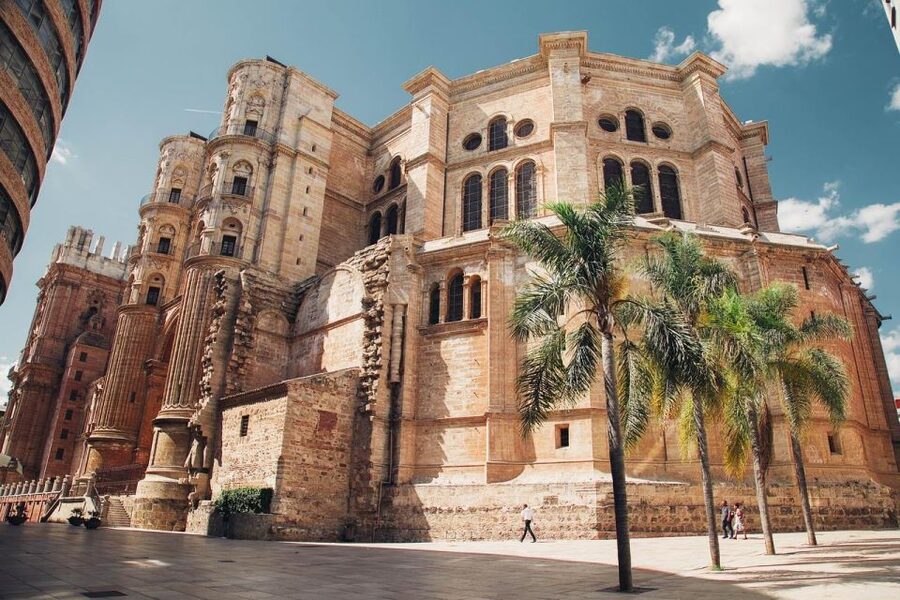
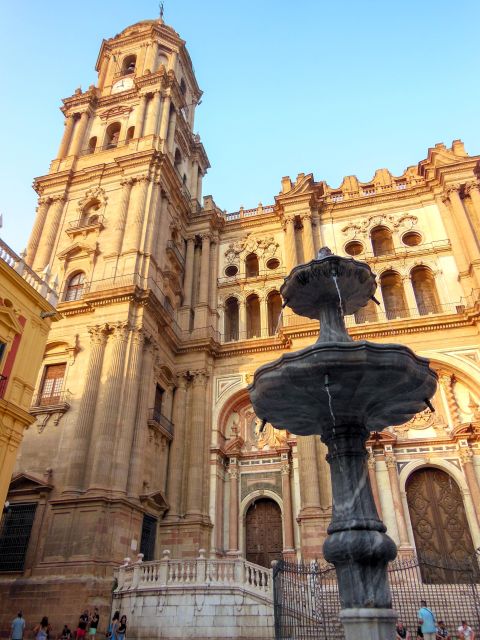
The final major visit is the Cathedral of Our Lady of the Incarnation, usually called La Manquita by people in Málaga. The nickname refers to the building’s incomplete appearance, most notably the unfinished tower and front.
The Cathedral’s construction was closely tied to the earlier Aljama Mosque. That connection gives the visit a clear historical question: how did a Christian cathedral take shape on a site that had served Muslim worship? The guide examines the Portal del Sagrario and the building’s unfinished state before taking you inside.
Inside, expect attention to the vaults, columns, main altar, principal chapels, and choir stalls carved from wood. The interior is not just a grand room to cross on the way out. Its structure and decoration reveal how religious art, engineering, and ceremony worked together.
The listed time for the Cathedral is about one hour. That gives you enough room for a proper guided look, though the exact balance depends on the group and the earlier stops. If you have a particular interest in sculpture, painting, architecture, or devotional art, tell your guide early.
The Cathedral is a strong finish because it brings the full route together. At the Roman Theatre, architecture expressed Roman public power. At the Alcazaba, it protected and housed Muslim rulers. At La Manquita, the city’s Christian rulers created a major religious center while leaving visible evidence of an unfinished project and an earlier sacred site.
What the private format adds
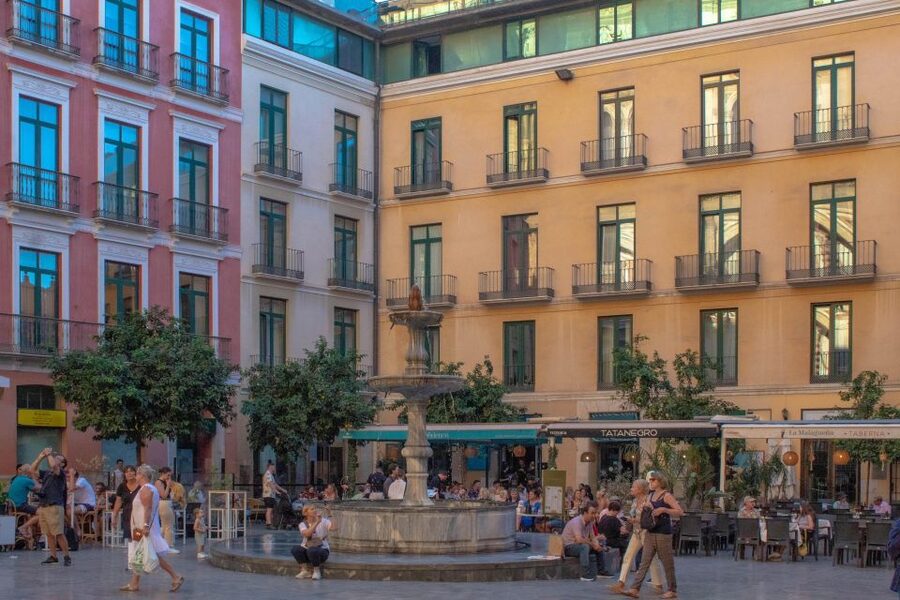
A private tour is most useful when you make use of it. Before the walk begins, tell the guide what matters to you. You might ask for a broad introduction to Málaga, a close reading of the monuments, more time for photographs, or extra attention to the city’s changing religious and political identity.
The tour is also suitable for mixed-interest groups. One person can ask about Roman society, another about Islamic defenses, and another about the Cathedral’s artistic details. A private guide can switch topics without holding up a large party.
The route can be adapted to the group’s needs and preferences, but that does not mean every stop can be expanded freely. The monuments have opening arrangements and the activity has a stated duration. Use the flexibility to set priorities, not to expect unlimited time.
The guide is listed as a professional local guide, with English and Spanish available. The French experience with Maria Lourdes suggests that language support may sometimes extend beyond those listed options, but you should verify it before booking. A guide’s ability to adjust to your pace is especially helpful here because the Alcazaba is physically more demanding than the rest of the route.
Is $119 per person a fair price?
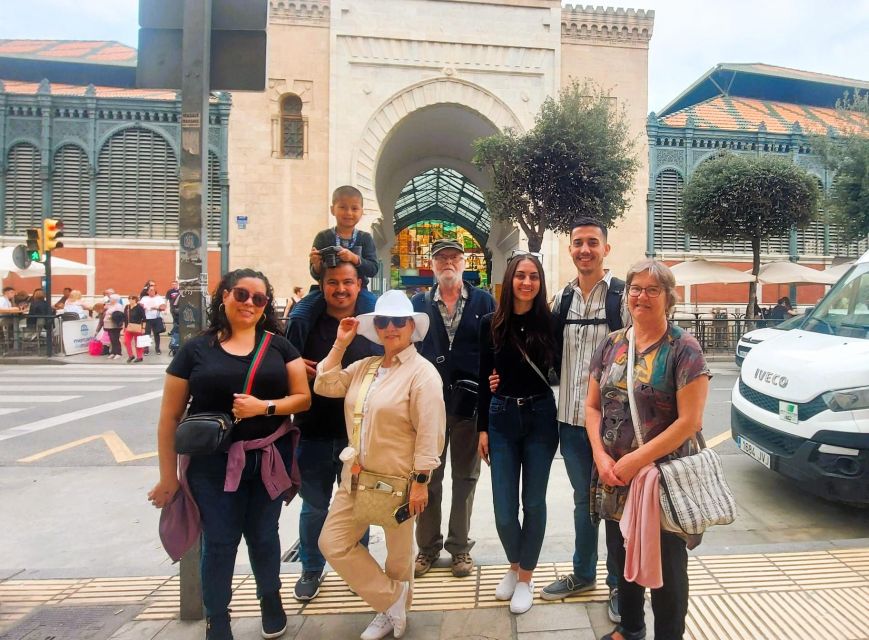
At $119 per person, this is not the cheapest way to see Málaga’s old center. You are paying for a private guide, a personalized route, three included admissions, and the convenience of keeping the experience within one group.
The value improves if you are traveling with family or friends who want a focused introduction without joining strangers. It can also make sense if you have limited time and want the Roman Theatre, Alcazaba, and Cathedral explained in one connected visit.
The price is harder to justify if you only want to enter the monuments and read at your own pace. You could prefer a self-guided visit if you are comfortable researching the sites and managing tickets yourself. The private tour earns its cost through interpretation and convenience, not through a long duration.
Hotel pickup within the historic center adds a small practical benefit, especially if you are unfamiliar with Málaga’s streets. Pickup must be arranged at least 24 hours ahead, and the activity returns to the meeting point. Food and drinks are not included, so plan refreshments before or after the walk.
Tickets for the Roman Theatre, Alcazaba, and Cathedral are included, and the tour offers skip-the-ticket-line entry. That can save time, though the exact amount depends on conditions at each monument. Free cancellation is available up to 24 hours before the start, and you can reserve now and pay later, which helps if your schedule is still changing.
Who should book this Málaga tour?
I would choose this experience for a first visit to Málaga when you want the city’s main historical sights explained in one sitting. It is especially well suited to couples, families, and small groups who value a private conversation over a standard group schedule.
It is also a good match if you want a guide to connect the monuments rather than describe each one in isolation. The Roman Theatre, Alcazaba, and Cathedral cover a remarkable range of Málaga’s past, and the route makes that sequence easy to understand.
You should think twice if anyone in your group has serious mobility limitations. The Alcazaba’s steep sections and cobblestones are the key concern, and the activity is not suitable for wheelchair users. Baby carriages are not allowed, sleeveless shirts are not allowed, and food, drinks, and smoking indoors are prohibited.
Wear comfortable shoes and clothes. If the weather is difficult, tell the guide what pace works for you. Maria Lourdes was praised for being attentive and adapting to the group, which is exactly the sort of personal care that can make this walk more pleasant.
Should you book it?
Book this tour if you want a private historical introduction to Málaga with the major admissions handled for you. The route is compact, the monuments are important, and the guide can shape the discussion around your interests.
Skip it if you prefer a slow, independent visit or if steep, uneven ground is a serious problem. Before paying, confirm the language you need and ask how the guide handles the advertised three-hour duration alongside the longer stop-by-stop schedule. For everyone else, the combination of Roman ruins, an Islamic citadel, and La Manquita makes this a sensible way to get your bearings in Málaga’s historic center.
FAQ
How long does the private Málaga walking tour last?
The stated duration is three hours. The listed stop times total longer than three hours when added together, so ask the provider how the schedule is managed before booking.
Which monuments are included?
The tour includes the Roman Theatre, the Alcazaba of Málaga, and Málaga Cathedral. It also includes a guided walk through Plaza del Obispo.
Are admission tickets included?
Yes. Entrance to the Roman Theatre, Alcazaba, and Cathedral is included in the price.
What languages are available?
English and Spanish are listed as the tour languages. Maria Lourdes has guided in French, but you should confirm French availability before booking.
Can the tour pick me up at my hotel?
Pickup is available from a hotel or another location in Málaga’s historic center. You need to contact the provider at least 24 hours before the tour if you want a different pickup point.
Is the tour suitable for wheelchair users?
No. The Alcazaba has steep areas and cobblestone ground, and the activity is listed as unsuitable for wheelchair users. Baby carriages are also not allowed.
More Guided Walks in Malaga
- El Chorro: Caminito del Rey Gorge Route Guided Walking Tour
★ 4.4 · 753 reviews - Ardales: Caminito del Rey & El Gaitanejo Guided Walking Tour
★ 4.8 · 552 reviews - Ronda: Guided Walking Tour with English or Spanish Guide
★ 4.5 · 423 reviews - Ronda: Guided Walking Tour
★ 4.6 · 104 reviews
More Old Town Walks in Malaga
- Malaga Bike Tour – Old Town, Marina & Beach
★ 4.7 · 1,150 reviews - From Malaga: Cordoba Day Trip and Mosque-Cathedral
★ 4.5 · 563 reviews - Málaga: Historic Center Tour with Local Guide
★ 4.9 · 162 reviews - Malaga: Skip-the-Line Malaga Cathedral Tickets with Tour
★ 4.8 · 159 reviews
Just added around Malaga
- San Miguel Cemetery Tour of Malaga★ 5.0 · 3 reviews
- A Self-Guided Tour of Ancient Malaga’s History★ 4.5 · 3 reviews
- MALAGA: ULTIMATE FLAMENCO & TAPAS TOUR★ 5.0 · 3 reviews
- Private Winery Tour and Visit to Ronda★ 5.0 · 3 reviews
- Ronda and Setenil from la Costa del Sol★ 3.8 · 3 reviews
- Private tour in Malaga from Costa del Sol★ 4.5 · 3 reviews
- From Nerja/Almunecar: Sierra Nevada and Alpujarra day trip★ 4.0 · 3 reviews
- From Seville: Ronda and Setenil de Las Bodegas Private Tour★ 5.0 · 3 reviews
Alcazaba and Gibralfaro, compared.
Alcazaba and Roman Theatre Guided Tour With Entry
Read our review →
Malaga Tour with Cathedral, Alcazaba and Roman Theatre
Read our review →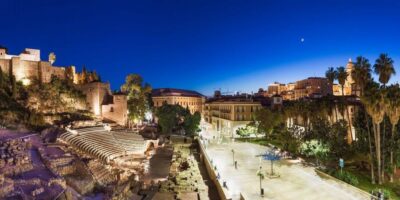
Cathedral, Alcazaba, Roman Theater Walking Tour
Read our review →
Gibralfaro Castle, Bullring and Port Segway Tour
Read our review →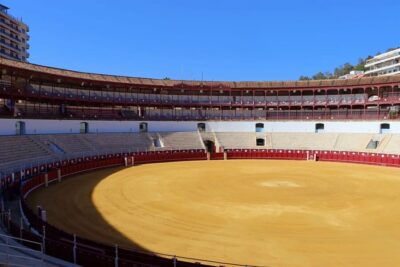
Tour of Malagueta Bullring & Immersive Exhibition
Read our review →
Malaga Private Walking Tour, Alcazaba & Catamaran Cruise
Read our review →Browse the lists this tour appears in