
Reviewed · OLIVE OIL TASTINGS
Guided tour and oil tasting at the Aceites Molisur factory
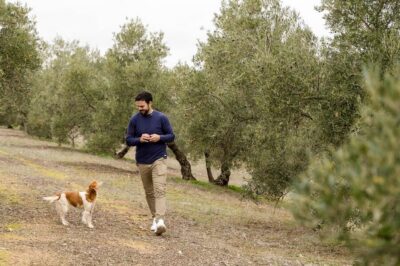
The best part of this 1.5-hour olive-oil tour is the clear path from tree to bottle. You begin among old olive trees, see a historic mill in the museum, then enter the modern production area to follow the oil from reception through storage.
I like the setting, with vegetation and mountains around the factory, and I like the tasting lesson, which teaches you to pick out aromas and flavors in three extra virgin oils. A possible drawback is transport: if you come from Malaga without a car, the trip can cost about 40 to 50 euros each way.
In This Review
- Key points
- From olive grove to bottle at Aceites Molisur
- The old trees and the work behind the harvest
- Inside the museum and its century-old mill
- Learning to taste three extra virgin oils
- Seeing the modern production area
- What $34 buys you
- How the guide affects the experience
- Timing, access, and what to bring
- Who will get the most from this visit?
- Should you book Aceites Molisur?
- FAQ
- Where does the tour begin?
- How long does the activity last?
- What does the ticket include?
- Is transportation included?
- How much does the tour cost?
- Which languages are available?
- Is the tour wheelchair accessible?
- What should I bring?
- Can I cancel the booking?
Key points
- Three oils, one tasting lesson: Learn how aromas and flavors differ instead of simply sampling oil with bread.
- A century-old mill: The museum connects today’s machinery with older olive-oil methods.
- Olive trees before factory machinery: You see cultivation and harvesting explained in the grove.
- Ana may be your guide: She speaks excellent English, and tours are also offered in Spanish and French.
- A rural setting near Malaga: The factory sits among vegetation and mountains, but transport is your responsibility.
- Good access details: The tour is wheelchair accessible, and comfortable shoes, water, and a sun hat are useful.
From olive grove to bottle at Aceites Molisur
Olive oil is so common on an Andalusian table that it is easy to forget how much work comes before the bottle reaches a shop shelf. This visit gives you that missing piece. In a short span, you move from the trees where olives grow to the equipment that turns them into oil.
The tour begins at the Aceites Molisur store. Tell the staff member there that you have arrived for the tour, and she will direct you to the group. The store is the meeting point, not a separate transport terminal, so allow a little time to find the correct entrance.
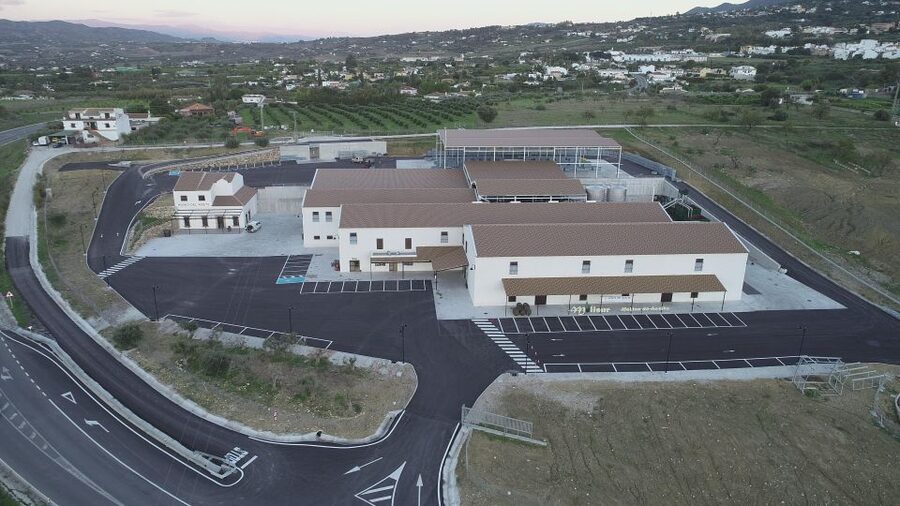
The setting matters. This is not only an indoor factory visit. You are surrounded by vegetation and mountains, with the olive-growing environment close at hand. That helps put the production process in context, especially if you are visiting Andalusia for the first time and want to understand why olive oil is such a basic part of local food.
More olive oil tastings around Malaga:
- Guided tour and olive oil tasting in Alhaurin el Grande (Málaga)
★ 5.0 · 200 reviews - Guided Tour to the only coffee farm in Europe
★ 5.0 · 174 reviews - Visit Oil Mill Museum and Olive Oil Tasting in Ronda
★ 4.5 · 105 reviews
The old trees and the work behind the harvest
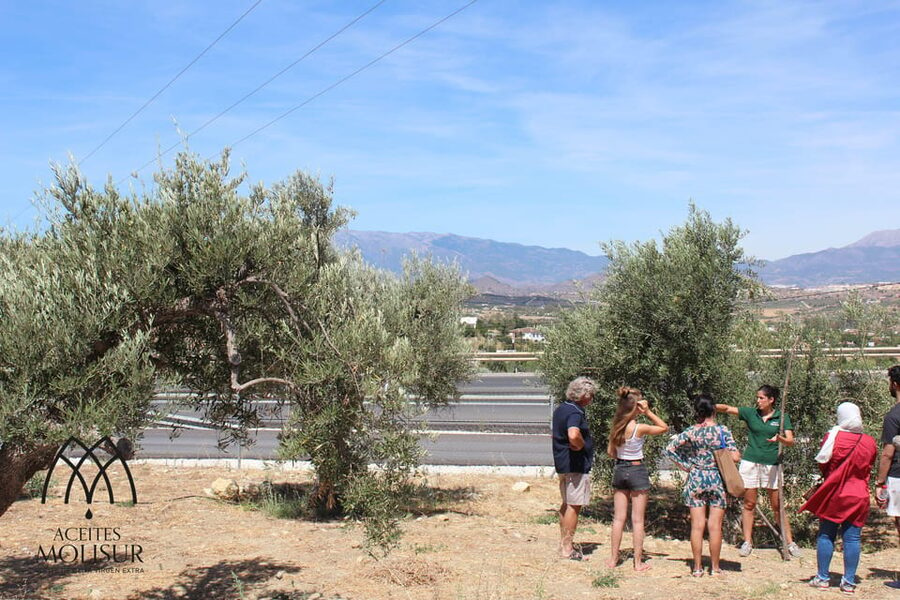
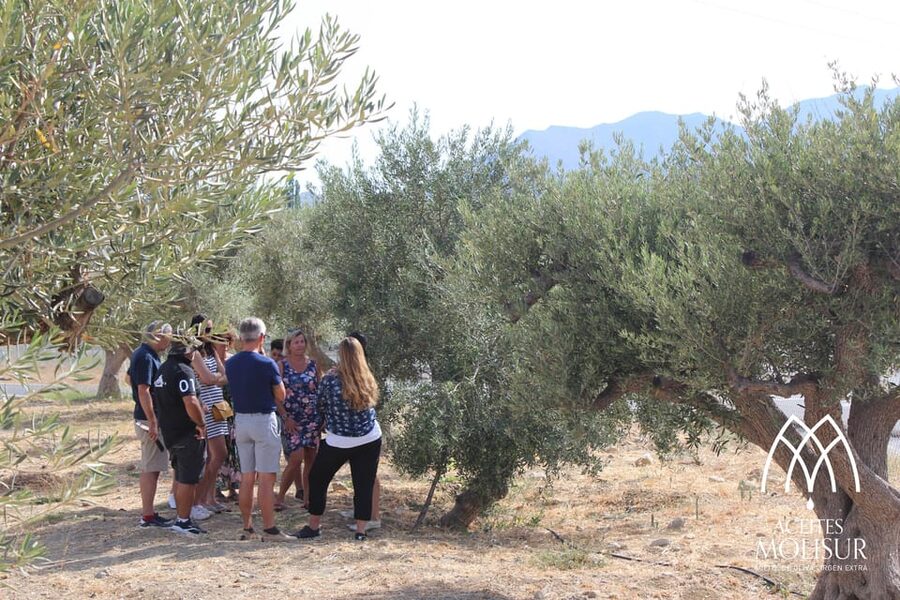
The first part introduces the company and the olive trees. You learn about century-old specimens and the different ways olives can be cultivated and harvested.
That is a useful starting point because olive oil quality does not begin inside the factory. It begins with the tree, the olives, and the way the fruit is collected. The tour explains those stages before asking you to think about flavor in the tasting room.
You should not expect a long farm walk based on the information available. The trees are part of the visit, but the full experience lasts only 90 minutes, so this is a focused introduction rather than a full agricultural day.
I like this section because it keeps the tour from becoming a machinery demonstration alone. You see that modern oil production is tied to older farming traditions. The century-old trees also give the visit a sense of time that a new industrial building could not provide.
Bring comfortable shoes. You will be moving through different parts of the property, and a sun hat is sensible for time outside. Water is included, but bringing your own bottle is still a good idea, particularly on a warm Andalusian day.
Inside the museum and its century-old mill
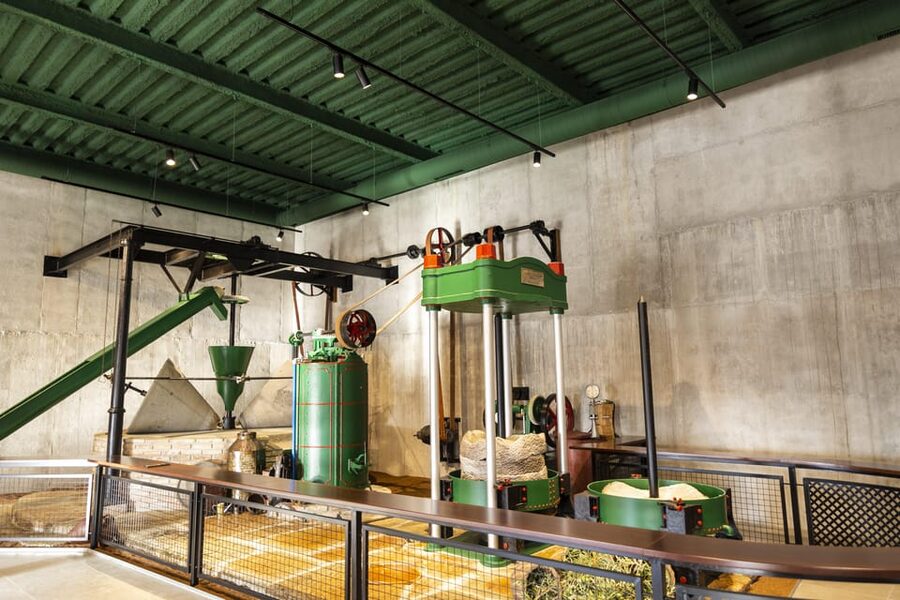
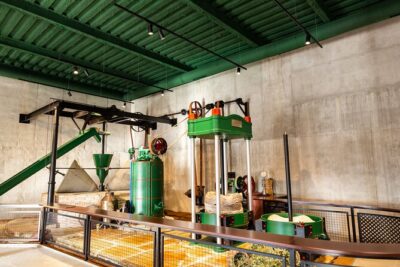
Next comes the olive-oil museum, where you see a mill with more than a century of history. This is the most atmospheric part of the tour, since the old equipment shows how olive oil was produced before the current factory systems took over.
The museum gives you a visual reference for the changes described by the guide. Instead of hearing only that production has become more efficient, you can see an earlier mill and compare it with the machinery used today.
The older mill is not presented as a working replacement for the modern plant. Its value is educational. It helps explain the evolution of oil-making systems and the long relationship between Andalusian agriculture and this liquid food staple.
If you are mainly interested in architecture or industrial antiques, this section may be too brief for a specialist visit. But for most people, it is an effective middle stage between the olive trees and the modern production floor.
Learning to taste three extra virgin oils
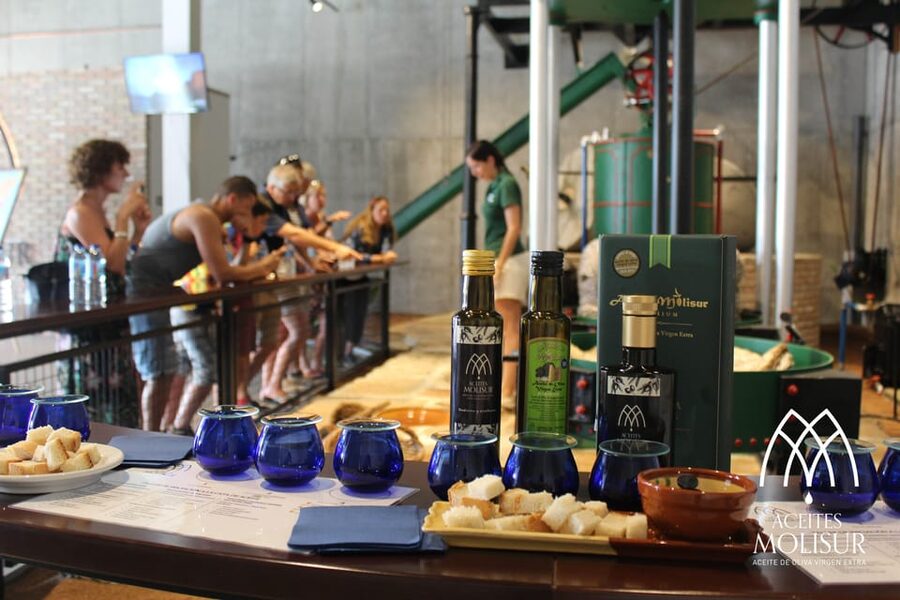
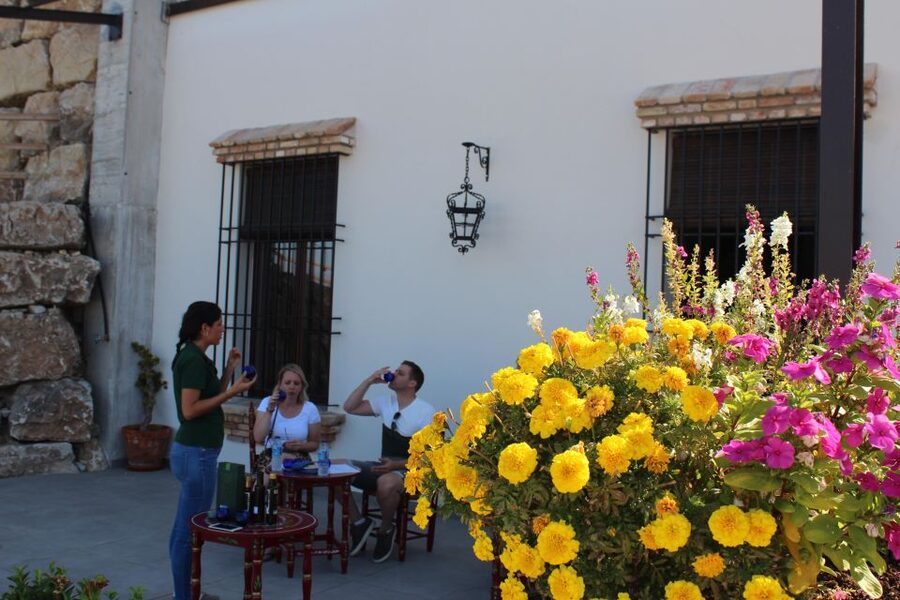
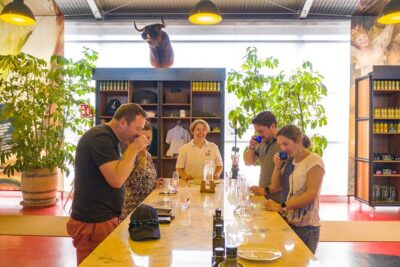
The tasting is where the visit becomes hands-on. You sample three of Aceites Molisur’s extra virgin olive oils and learn how to distinguish their aromas and flavors.
This is more useful than a simple tasting with no explanation. The guide teaches you to pay attention to what you smell and taste, so you can begin to compare oils rather than treating them all as the same green-gold liquid.
You may notice that the focus is on sensory differences, not on pairing a large meal. The information provided does not specify food pairings, so expect a guided introduction to the oils themselves.
I especially like this part for anyone who cooks at home. Once you have learned to notice aroma and flavor, you can make better choices when buying olive oil. You may also find that the tasting changes how you use oil in salads, on vegetables, or with other Mediterranean foods.
The lesson is not only for food experts. A good guide can make the vocabulary simple, and Ana has been singled out for explaining everything clearly and speaking excellent English. The tour is also available in French and Spanish, which is helpful if you prefer either of those languages.
The tasting includes three oils, and water is included. The supplied information does not say how much oil is poured or whether food is served, so do not book this expecting a full meal or a large tasting menu.
More food and drink in Malaga:
- Malaga Wine & Tapas Small Group Guided Tour
★ 5.0 · 1,972 reviews - From Malaga: Caminito del Rey/White Village Tour & Tapas
★ 4.9 · 1,361 reviews - Málaga: Wine & Tapas Tour
★ 4.8 · 1,039 reviews - Taste of Malaga Tour : Tapas, History and Local Customs
★ 5.0 · 758 reviews
Seeing the modern production area
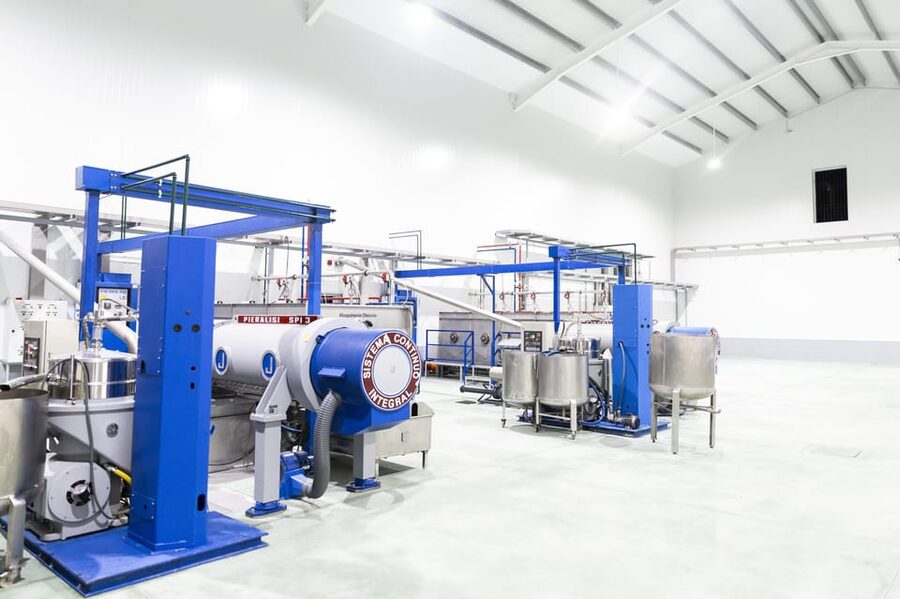
After the museum and tasting, you enter the current production area. Here the guide explains the process from the arrival of the olives to storage in the warehouse.
This final section answers the practical question behind the whole visit: how does fruit from the grove become the oil in the bottle? You follow the basic chain through reception, processing, and storage, gaining a clearer idea of how today’s systems differ from the older mill shown earlier.
The factory visit also adds value to the tasting. You have already smelled and sampled the finished oil. Seeing the production area gives you a better sense of the steps that come before that final taste.
The details supplied do not promise that every machine will be running during every tour. The description does refer to a mill in operation in the museum, but production activity in the current area may depend on the day and timing. If active machinery is essential to your plans, ask when booking.
What $34 buys you
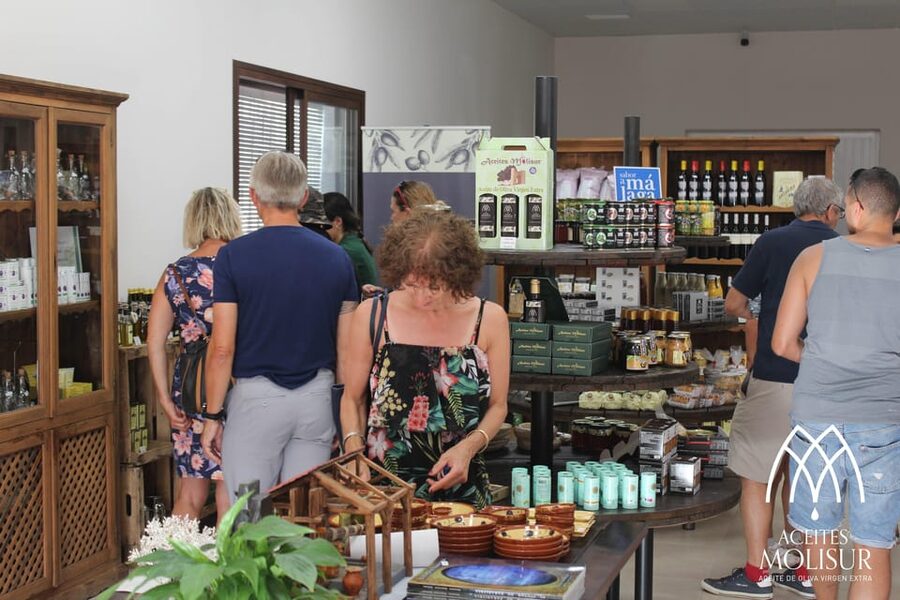
At $34 per person, this is priced as a short specialist visit rather than a cheap stop at a shop. The fee includes a guided factory tour, the olive-oil museum, the tasting of three extra virgin oils, and water.
I consider the price reasonable if you care about food, farming, or Andalusian culture. You receive instruction, access to several parts of the operation, and a tasting designed to teach you something. It is not simply a retail visit followed by a sample.
The value is less convincing if you are looking for a major sightseeing attraction or a full-day outing. The experience lasts 90 minutes, and transport is not included. From Malaga, getting to the factory without a car can add roughly 40 to 50 euros each way, according to the practical cost reported for that journey.
That transport cost can change the calculation. If you already have a car or are staying nearby, $34 is easier to justify. If you need a costly taxi or private transfer from Malaga, the overall outing becomes much more expensive than the ticket price suggests.
There is no listed shuttle service. Plan your route before committing, and do not assume the factory is convenient to reach by public transport. The meeting point remains the Aceites Molisur store, where you should tell the staff that you are there for the tour.
How the guide affects the experience
The guide has an important job here because olive oil production can sound technical. You need clear explanations to understand why cultivation, harvesting, processing, and storage affect the final product.
Ana has been praised for her friendly manner, strong English, and clear explanations about olive varieties and processing. If she leads your tour, you should find the language side straightforward. Other tours are available in French and Spanish.
The exact guide is not guaranteed in the supplied information, so do not book on the assumption that Ana will lead every departure. Still, the language choices make the tour practical for international visitors.
A live guide also lets you ask questions as you move between the grove, museum, tasting, and factory. That is more useful than reading a few labels in a shop, particularly if you want to understand the difference between an old mill and a modern production line.
Timing, access, and what to bring
The activity takes 1.5 hours and returns to the same location where it begins. Starting times vary, so check availability for the date you want.
The tour is wheelchair accessible. The information does not explain the exact route, surfaces, or whether every part of the olive grove has identical access, so you may want to confirm those details directly if you need specific assistance.
Wear comfortable shoes, bring a sun hat, and carry water. Water is included, but the hat and shoes are practical because the visit includes time around the trees and different factory areas.
Pets are not allowed. That rule is easy to overlook if you are touring Andalusia by car with an animal, so make other arrangements before arriving.
Free cancellation is available up to 24 hours in advance for a full refund. You can also reserve now and pay later, which helps if your Andalusia route is still taking shape. These policies add flexibility, but they do not solve the transport question, so work out how you will reach the factory before booking.
Who will get the most from this visit?
I would choose this tour if you enjoy food traditions, local agriculture, or behind-the-scenes production. It suits couples, families with an interest in where food comes from, and anyone who wants a quieter break from Malaga’s urban sights.
It is also a good fit for cooks who want to understand extra virgin olive oil beyond the label. The three-oil tasting gives you a practical introduction to aromas and flavors, and the factory route shows how the finished product is made.
The tour may be less suitable if you want a long countryside walk, a full meal, or an extensive museum visit. It is compact and focused. You get several connected stages, but none is designed as a half-day activity on its own.
Because the tour is offered in English, French, and Spanish, language should not be a major barrier. The most important decision is location. If you are staying close to Aceites Molisur or driving, the visit fits neatly into a day. From Malaga without a car, the added fare may outweigh the short duration.
Should you book Aceites Molisur?
Book it if you want a clear, friendly introduction to Andalusian olive oil, especially one that combines old trees, a historic mill, modern production, and three tastings in 90 minutes. I like the way the visit links the agricultural setting to the bottle in your kitchen.
Before paying, check the route from your accommodation and factor in the transport cost. For food lovers and curious first-time visitors, the tour offers solid value at $34. For anyone seeking a major attraction, a long farm visit, or a full culinary meal, choose something larger and plan this only if olive oil is a real interest.
FAQ
Where does the tour begin?
The meeting point is the Aceites Molisur store. Tell the staff member there that you are coming for the tour, and she will help you.
How long does the activity last?
The guided visit lasts 1.5 hours and returns to Aceites Molisur.
What does the ticket include?
It includes a guided tour of the factory, a guided tour of the olive-oil museum, a tasting of three different olive oils, and water.
Is transportation included?
No. You must arrange your own transportation to and from Aceites Molisur.
How much does the tour cost?
The listed price is $34 per person.
Which languages are available?
Live tours are offered in French, Spanish, and English.
Is the tour wheelchair accessible?
Yes, the activity is listed as wheelchair accessible.
What should I bring?
Comfortable shoes, a sun hat, and water are recommended. Water is also included in the activity.
Can I cancel the booking?
Yes. You can cancel up to 24 hours in advance for a full refund. You can also reserve now and pay later.
Just added around Malaga
- San Miguel Cemetery Tour of Malaga★ 5.0 · 3 reviews
- A Self-Guided Tour of Ancient Malaga’s History★ 4.5 · 3 reviews
- MALAGA: ULTIMATE FLAMENCO & TAPAS TOUR★ 5.0 · 3 reviews
- Private Winery Tour and Visit to Ronda★ 5.0 · 3 reviews
- Ronda and Setenil from la Costa del Sol★ 3.8 · 3 reviews
- Private tour in Malaga from Costa del Sol★ 4.5 · 3 reviews
- From Nerja/Almunecar: Sierra Nevada and Alpujarra day trip★ 4.0 · 3 reviews
- From Seville: Ronda and Setenil de Las Bodegas Private Tour★ 5.0 · 3 reviews
Olive Oil Tastings, compared.
Guided tour and olive oil tasting in Alhaurin el Grande (Málaga)
Read our review →
Visit Oil Mill Museum and Olive Oil Tasting in Ronda
Read our review →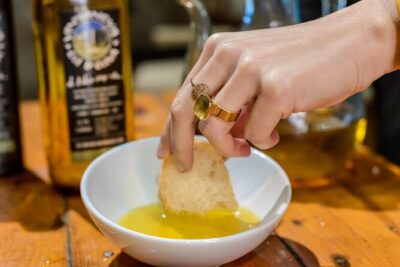
Ronda, Wine & Olive Oil Tasting Premium Small Group
Read our review →
OLIVE OIL & WINE TOUR Organic fields – 5 Wines + 3Olive Oils
Read our review →Browse the lists this tour appears in