
Reviewed · OLIVE OIL TASTINGS
Guided tour and olive oil tasting in Alhaurin el Grande (Málaga)
Olive oil is not just something Spain pours over bread. At Aceites Molisur, near Alhaurín el Grande, you see how the process changed from the old mill to today’s working factory, then taste three oils side by side. The best part is watching the century-old machinery operate, rather than simply viewing dusty museum pieces.
I like the compact 90-minute format and the tasting, which gives you practical clues for noticing differences in aroma and flavor. I also like the small-group feel, with guides such as Ana, Lucia, and Jerrard praised for making the visit clear and friendly for both adults and children. The main drawback is transport: private transfers are not included, so you must reach the mill yourself.
In This Review
- Key points to know before you book
- Why an olive oil mill makes a worthwhile Málaga outing
- The old mill and its working machinery
- The three-oil tasting, and what you learn from it
- The modern factory and the making of liquid gold
- A look inside the unusual stainless steel winery
- Valley views add breathing space
- How the guides shape the experience
- Who should book this 90-minute visit?
- Timing, transport, and practical value
- Should you book Aceites Molisur?
- FAQ
- Where does the olive oil tour begin?
- Where does the tour end?
- How long does the experience last?
- What language is the tour offered in?
- How many olive oils are included in the tasting?
- Is transportation included?
- Are children allowed to join?
- Are pets allowed?
Key points to know before you book
- See old and modern production together: The visit moves from a traditional olive mill to the current factory, giving you a clear before-and-after picture.
- Taste three olive oils: The tasting is more than a snack. You learn to notice the different aromas and nuances of Extra Virgin Olive Oil.
- English-speaking guides add personality: Ana, Lucia, and Jerrard are noted for clear explanations, humor, and a warm approach with children.
- Visit a distinctive stainless steel winery: The tour includes a winery described as the only stainless steel winery in Spain open for visits.
- Good for families: Children as young as four have been welcomed and included, while older children can follow the production story.
- Plan your own transport: The meeting point is at Aceites Molisur on the A-404 near Alhaurín el Grande, and the tour ends there.
Why an olive oil mill makes a worthwhile Málaga outing
The Costa del Sol is often treated as a base for beaches, resorts, and day trips into Málaga. This visit gives you a different view of the area, one tied to farming, food, machinery, and local production.
You meet at the Aceites Molisur shop, at Carretera Coín, Churriana, A-404, kilometer 5, 29120 Alhaurín el Grande. From there, the guide takes you through the mill and factory before returning you to the same point. That simple arrangement makes the outing easy to fit into a day, provided you have arranged your own way there.
At $35.09 per person, I see this as a fair food experience rather than a cheap tasting stop. The price includes the guided visit, three olive oil samples, bottled water, and access to the old mill, present-day production area, and winery. It is especially good value if you enjoy understanding how a local product is made, not just buying a bottle in a shop.
The 90-minute length is another plus. You get enough time for context and tasting without giving up most of a day. If you want a full farm visit, a long meal, or a hands-on cooking class, this is not that. It is a focused introduction to olive oil production.
More olive oil tastings around Costa del Sol:
- Guided Tour to the only coffee farm in Europe
★ 5.0 · 174 reviews - Visit Oil Mill Museum and Olive Oil Tasting in Ronda
★ 4.5 · 105 reviews - Guided tour and oil tasting at the Aceites Molisur factory
★ 4.9 · 59 reviews
The old mill and its working machinery
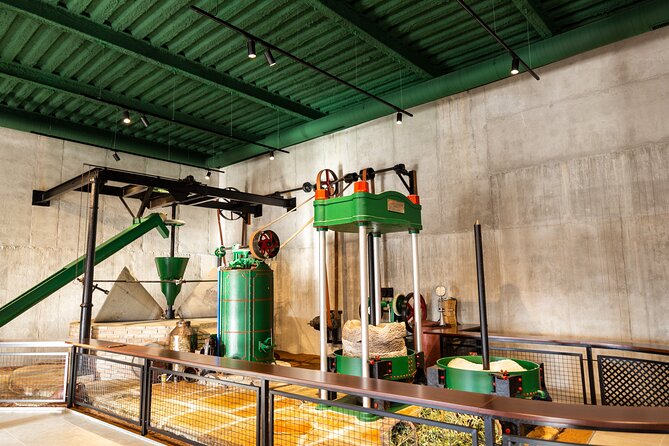
The first major stop is the oil museum, where you learn how olive oil was made more than 100 years ago. This part gives the visit a useful sense of scale. Instead of hearing only about modern tanks and machinery, you can compare industrial production with the slower methods once used at the mill.
The special feature is that the old machinery is shown in operation. That matters. Old equipment can be difficult to understand when it sits motionless behind a rope, but movement helps you see how the mill once worked and how much labor the process required.
Your guide leads the explanation, so this is not a self-guided display where you must guess what each part did. Ana and Lucia have been praised for making technical information easy to follow, while Jerrard is noted for keeping children interested. The tone appears to be relaxed rather than academic.
I would pay attention here even if you already cook with olive oil. The traditional method gives you a useful base for understanding why modern production looks so different. It also connects the bottle on your kitchen shelf with a real mechanical process.
There is a small limitation: the visit is compact. You should expect an informative look at the old system, not a long museum program packed with every detail of local agricultural history. Still, the working machinery makes this first section more memorable than a standard display of old tools.
The three-oil tasting, and what you learn from it
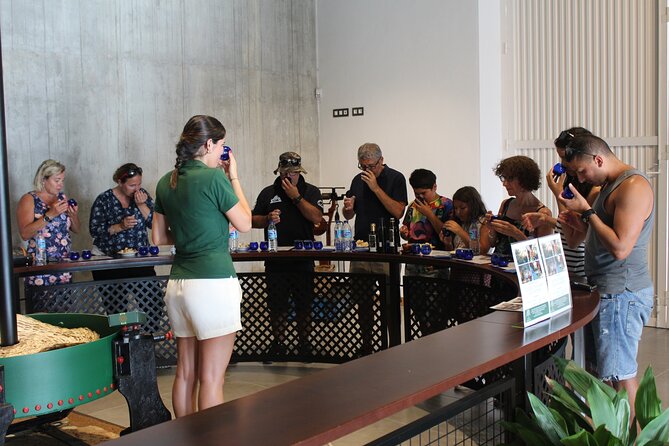
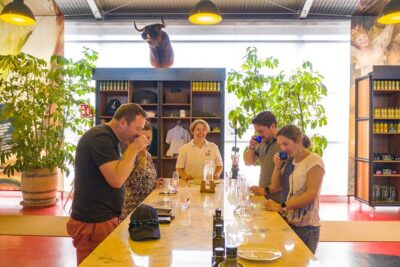
The tasting is the heart of the experience for anyone who enjoys food. You sample three olive oils and learn how to identify differences in aroma and flavor within Extra Virgin Olive Oil.
That comparison is important. Tasting one oil alone can leave you thinking it simply tastes like olive oil. Sampling three in sequence gives your palate a reference point. You can start noticing the qualities the guide describes instead of judging every oil by the same vague standard.
The tasting is listed as the starter, and bottled water is included. The available information does not specify a full meal, bread service, or other food pairings, so you should treat this as a guided tasting rather than lunch.
The guides explain useful, practical information about the oils. You may learn to look for changes in fragrance, intensity, and finish. The point is not to turn you into a professional taster in one sitting. It is to help you shop and cook with more confidence after you leave.
This section works well for food-focused adults, but it is not limited to serious cooks. Children can take part in an age-appropriate way, and the friendly style helps keep the mood light. A four-year-old was included warmly, while children aged 11, 13, and 15 were reported to have enjoyed the visit. That makes this a better family option than many formal food tastings.
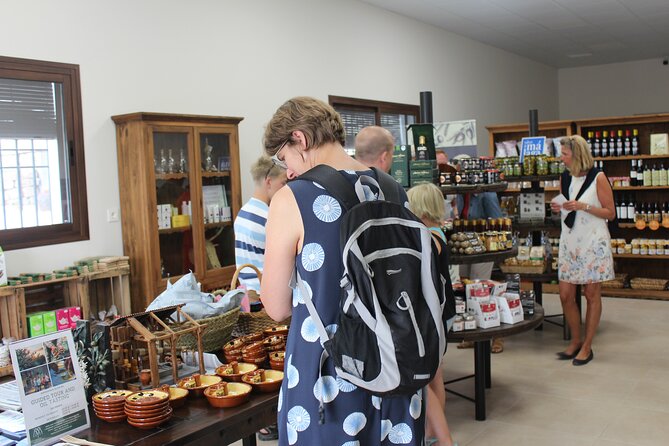
I would leave room in your bag for a purchase. The shop sells olive oil and other tasty products, giving you a chance to take home something connected to the visit. The tour itself does not include those purchases, so consider the tasting and shop as separate parts of the outing.
The modern factory and the making of liquid gold
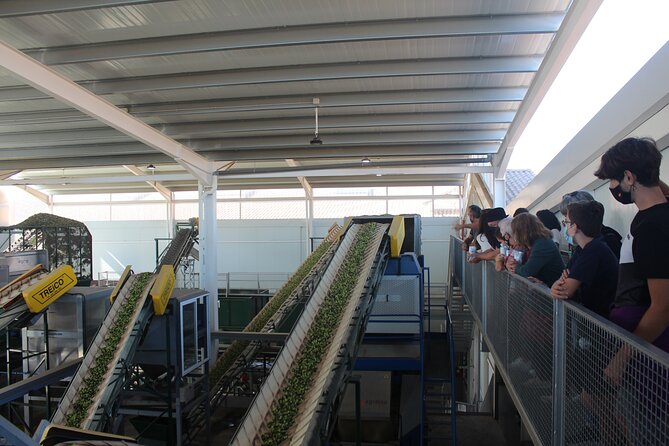
After the traditional mill, you visit the current production factory. This change in setting is one of the tour’s strongest teaching tools. You have just seen how olive oil was made in the past, and now you can see the equipment used in current production.
The factory visit explains how Aceites Molisur makes its olive oil, sometimes called liquid gold. The wording may sound dramatic, but it fits the central idea of the tour: olive oil is a finished food with a production chain, not simply a liquid that appears in a bottle.
The modern section should be especially useful if you want to understand the difference between old and current methods. The tour does not merely focus on tasting. It shows the machinery and gives you a look at the place where production happens today.
You should expect this to be a guided walk-through, not a hands-on workshop. There is no indication that you operate the modern equipment or participate in production. The value comes from seeing the factory and asking questions while the guide explains the process.
The group limit is 25 people. That is not an intimate private tour, but it is small enough for a guide to speak to the group and take questions. If your group is near the maximum, you may not have the same personal attention as on a private visit. Still, the compact format and repeated praise for clear guides suggest that hearing the explanation should not be a major problem.
More food and drink in Costa del Sol:
- Tapas & Sherry an Andalucian Gourmet Experience.
★ 5.0 · 12 reviews - Malaga Wine & Tapas Small Group Guided Tour
★ 5.0 · 1,972 reviews - From Malaga: Caminito del Rey/White Village Tour & Tapas
★ 4.9 · 1,361 reviews - Málaga: Wine & Tapas Tour
★ 4.8 · 1,039 reviews
A look inside the unusual stainless steel winery
The final production-area highlight is the winery. Aceites Molisur describes it as the only stainless steel winery in Spain that can be visited.
This is an unusual addition to an olive oil tour. You are not visiting a traditional wine cellar filled with aging barrels. Instead, you see a stainless steel space tied to the facility’s production operation. It gives the visit one more point of difference and keeps the experience from feeling like a standard mill tour.
The winery is also a reminder that food production can be visually interesting even when the materials are plain. Stainless steel tanks and industrial equipment may lack the romance of old stone buildings, but they show a clean, modern side of the process.
The description does not provide details about wine tasting, so do not book this expecting a wine experience. The central tasting remains olive oil. The winery is included as part of the factory visit and is best understood as a distinctive production room.
Valley views add breathing space
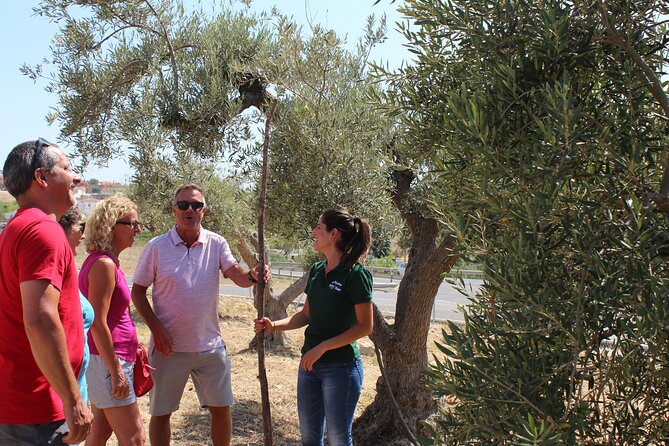
The tour includes views across the valley. That gives you a welcome change from the indoor mill and factory spaces.
The views are not the main reason to book, but they help explain the setting. Olive oil is tied to the land around the mill, and seeing the valley places the factory in a wider agricultural context. You get a quick reminder that this is not just a shop with equipment arranged for tourists.
The available details do not promise a long outdoor walk or a viewpoint stop, so I would not plan this as a scenic hike. Think of the views as part of the visit, not a separate attraction. If you are choosing between this and a major countryside excursion, the two experiences serve different purposes.
How the guides shape the experience
The guide can make or break a short technical tour. Here, the named guides include Ana and Lucia, with Jerrard also praised for making the visit fun for younger people.
Ana is described as informative, engaging, entertaining, and ready to answer questions. Lucia is noted for clear explanations and a lively style. One particularly useful detail is that Ana made an effort to ensure everyone understood her, which matters in a mixed-language group.
The tour is offered in English. That is helpful if you do not speak Spanish, but the group may still include people with different levels of English. A guide who explains machinery and tasting terms in plain language is a real advantage.
I also like the evidence that the guides adjust their approach for families. Children are not simply expected to wait quietly while adults listen. The staff made an effort to entertain a four-year-old, and older children enjoyed the production story as well.
Of course, guide quality can vary from one departure to another. The named guides give you a useful sense of the style to expect, but you should not assume a particular person will lead every visit. The common thread is a friendly, question-focused presentation.
Who should book this 90-minute visit?
I would recommend this outing to:
- Food lovers who want more context behind a familiar ingredient.
- Families looking for a short activity that works for several age groups.
- Couples who enjoy tastings but do not want to spend half a day at a food estate.
- Visitors staying on the Costa del Sol who want a local production experience away from the beach.
- Cooks who want to become better at spotting differences between Extra Virgin Olive Oils.
- Anyone curious about how traditional machinery compares with modern factory equipment.
I would be more cautious if you want a long countryside walk, a substantial meal, or a broad tour of Málaga’s food culture. This is a focused mill visit. Its strength is the clear sequence from old machinery to tasting to modern production.
People with mobility needs should check directly before booking, since the supplied details say most people can participate but do not describe the surfaces or access arrangements. Pets are not allowed.
Timing, transport, and practical value
The experience lasts about one hour and 30 minutes and begins and ends at Aceites Molisur. Private transportation is not included, so transport planning is the main practical issue.
Use the full address when arranging your route: Carretera Coín, Churriana, A-404, kilometer 5, Alhaurín el Grande, Málaga. Do not assume that a hotel pickup is part of the price. The meeting point is the Aceites Molisur shop at the mill.
The tour is booked, on average, about 10 days ahead. That is a useful planning clue, especially if you are visiting during a busy Costa del Sol period. Confirmation arrives when you book, and the maximum group size is 25.
Free cancellation is available if you cancel at least 24 hours before the local start time. Cancellations or changes made inside that window are not refunded or accepted, so check your transport plans before the deadline.
Should you book Aceites Molisur?
I would book this tour if you want a practical, family-friendly introduction to olive oil and can reach the mill without a transfer. The combination of working historic machinery, three-oil tasting, current factory equipment, and the unusual stainless steel winery gives you more substance than a simple shop tasting.
The strongest reason to go is the balance. You get food, machinery, local production, and valley views in 90 minutes, with guides who explain the subject in a warm and approachable way. At $35.09, that is a sensible price for a compact experience with a clear local connection.
Skip it if your priority is a full meal, a long rural excursion, or wine tasting. For everyone else, especially families and curious food lovers, Aceites Molisur offers a worthwhile look at how Málaga’s liquid gold is made.
FAQ
Where does the olive oil tour begin?
The tour begins at the Aceites Molisur shop, Carretera Coín, Churriana, A-404, kilometer 5, 29120 Alhaurín el Grande, Málaga, Spain.
Where does the tour end?
The activity ends back at the Aceites Molisur meeting point.
How long does the experience last?
The visit lasts approximately one hour and 30 minutes.
What language is the tour offered in?
The tour is offered in English.
How many olive oils are included in the tasting?
The experience includes a tasting of three olive oils.
Is transportation included?
Private transportation is not included. You must make your own way to the meeting point.
Are children allowed to join?
Yes. Most people can participate, and the experience is described as suitable for families. Children aged four, 11, 13, and 15 have been welcomed during visits.
Are pets allowed?
No. Pets are not permitted to enter.
Just added around Costa del Sol
- The Mediterranean Diet & Lifestyle Cooking Class.★ 5.0 · 11 reviews
- Tapas & Sherry an Andalucian Gourmet Experience.★ 5.0 · 12 reviews
- From Costa del Sol: Granada Day Trip Free Time 5h★ 4.6 · 12 reviews
- From La Costa del Sol: Ronda & Setenil Free Time★ 4.7 · 26 reviews
- Gourmet Cooking Class & Culture in the rural Montes de Malaga.★ 5.0 · 37 reviews
- Paella & Arroz Course in the Breathtaking Montes de Malaga★ 5.0 · 49 reviews
- From Costa del Sol: Seville Day Trip★ 4.7 · 146 reviews
- From Costa del Sol: Ronda and Setenil de las Bodegas★ 4.5 · 149 reviews
Olive Oil Tastings, compared.
Visit Oil Mill Museum and Olive Oil Tasting in Ronda
Read our review →
Guided tour and oil tasting at the Aceites Molisur factory
Read our review →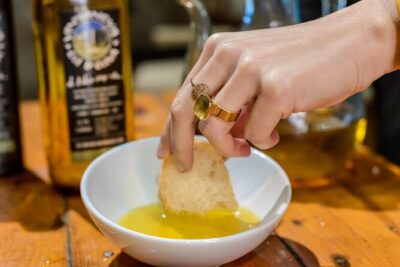
Ronda, Wine & Olive Oil Tasting Premium Small Group
Read our review →
OLIVE OIL & WINE TOUR Organic fields – 5 Wines + 3Olive Oils
Read our review →Browse the lists this tour appears in