
Reviewed · WALKING TOURS
Malaga: Walking Tour of Must-See Attractions
Malaga’s best sights sit close together, and this two-hour city walk gives you a useful first look at the layers beneath its modern streets. You move from a Roman theater to a Moorish fortress, then on to Picasso landmarks, the Cathedral, and Calle Larios without needing a taxi or a map full of pins.
I like the compact route and the chance to hear practical advice from a live guide. I also like that guides such as David, Borja, and Maura have been singled out for their friendly, attentive approach. The main drawback is time: eight listed stops in two hours means short visits and photo pauses, not long museum sessions or a leisurely look inside every monument.
In This Review
- Key points to know before you book
- Why this Malaga walking route works
- Starting at Alameda Principal
- Plaza de la Merced and Picasso’s Malaga
- Malaga Cathedral and the Christian center
- The Alcazaba’s Moorish stronghold
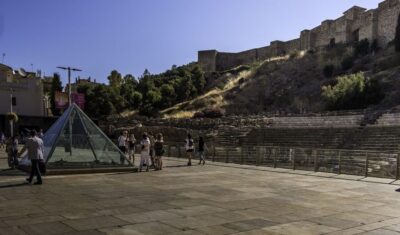
- The Roman Theater and ancient Malaga
- Malaga Museum and the city’s art collections
- Church of Santiago and Picasso’s baptism
- A Costa del Sol pause
- Calle Larios and the modern city
- What the two-hour schedule really means
- Who will get the most from this tour
- Guide quality and overall value
- Should you book the Malaga Must-See Attractions walk?
- FAQ
- How long does the Malaga walking tour last?
- How much does the tour cost?
- Where does the tour meet?
- Which landmarks are included?
- Is food or drink included?
- Which languages are available?
- Is the walking tour wheelchair accessible?
- Can I book a private group?
- Can I cancel for a refund?
Key points to know before you book
- Roman, Moorish, Christian, and artistic Malaga in one walk: The route connects the Roman Theater, Alcazaba, Cathedral, Church of Santiago, and Picasso-related places.
- A strong first-day orientation: Your guide can point out other things to do in Malaga, which helps you plan the rest of your stay.
- Eight stops, about 15 minutes each: Expect an overview with walking between sites rather than extended time at each attraction.
- Calle Larios gives the tour a lively finish: This elegant pedestrian street is central to Malaga’s shopping, cafés, and daily city life.
- Several guide languages are available: You can choose English, French, Italian, or Spanish, subject to availability.
- Good flexibility for a short visit: The tour costs $35 per person, lasts two hours, and allows cancellation up to 24 hours before departure for a full refund.
Why this Malaga walking route works
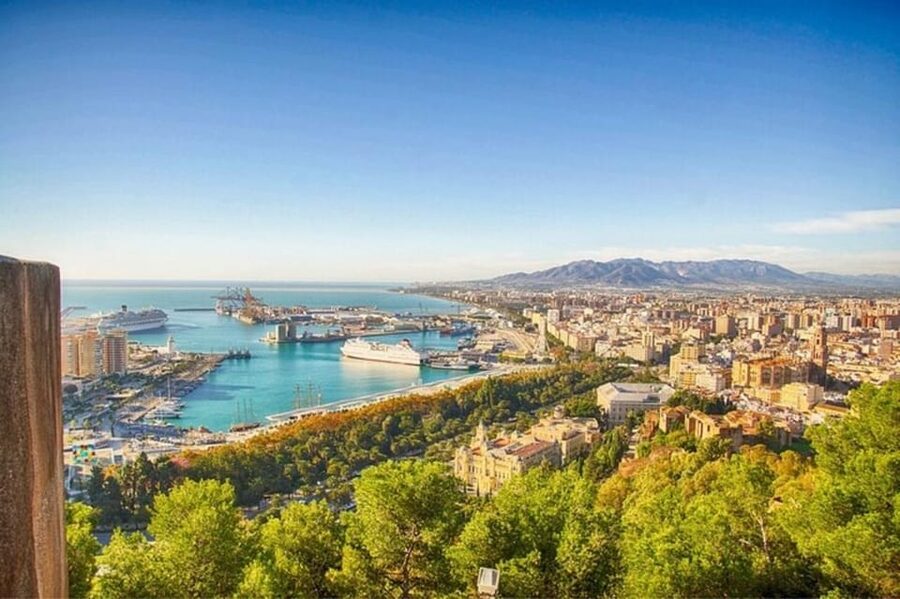
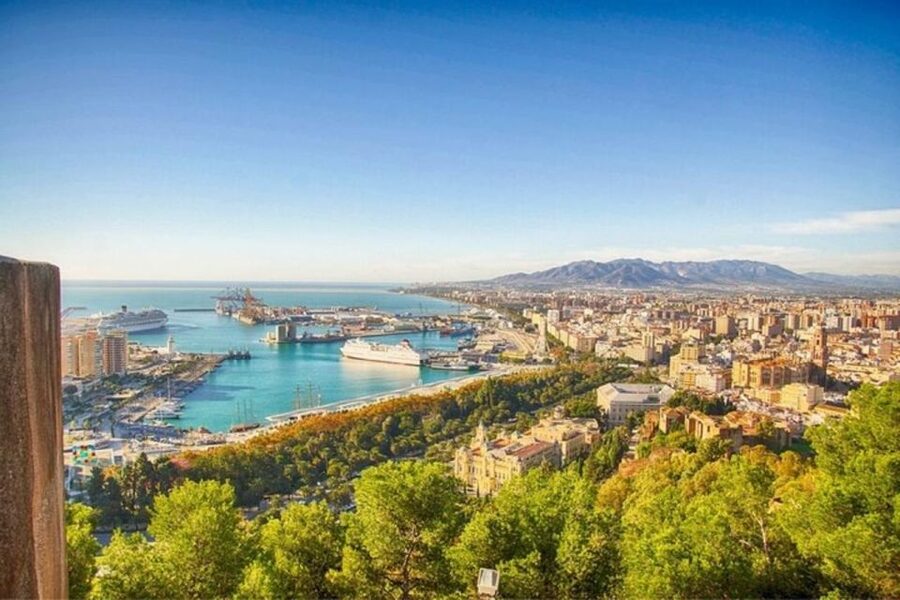
Malaga rewards people who explore on foot. Its historic center is not a single grand monument surrounded by empty space. It is a working part of the city, where old stone, shops, churches, cafés, museums, and busy pedestrian streets all share the same few blocks.
That makes a guided walk useful. You get the broad story without spending half your morning figuring out which alley leads to which landmark. The route also gives you a sense of sequence. Roman Malaga came first, Moorish rule shaped the fortress and city, Christian Spain added churches and the Cathedral, and modern Malaga claims Picasso as one of its most famous sons.
At $35 per person, I see this as a good orientation tour, especially if you have only a day or two in town. The value comes from the guide’s explanations and route planning, not from a long included attraction visit. You are paying for context, company, and a clear introduction to central Malaga.
The two-hour length is both a strength and a limit. It is easy to fit around lunch, a museum visit, or an afternoon at the coast. But you should not expect to study every gallery or explore the Alcazaba in detail. Think of this as a guided introduction, then return later to the places that catch your interest.
More Walking Tours in Malaga
- Málaga: 3-Hour Complete Walking Tour with Tickets
★ 4.5 · 976 reviews - Málaga: Cathedral, Alcazaba, Roman Theater Walking Tour
★ 4.7 · 315 reviews - Malaga Private Walking Tour, Alcazaba & Catamaran Cruise
★ 5.0 · 159 reviews
Starting at Alameda Principal
The meeting point is Alameda Principal, 1, in the heart of central Malaga. This broad central thoroughfare puts you close to the Cathedral, Picasso-related sights, cafés, shops, and cultural sites, so it makes practical sense as the starting point.
Arrive ready to walk on city streets for two hours. The activity is wheelchair accessible, and a private group option is available if you prefer a more personal experience. The standard tour is guided in English, French, Italian, or Spanish, depending on the option and available guide.
Your guide is the part of the experience that can vary most. David has been praised for giving an energetic and attentive tour, while Borja has been noted for his professional and responsive manner. Maura is described as especially pleasant, and another French-language guide, also named David in the tour details, has been appreciated for showing both major sights and less obvious places.
Those details matter because a central-city walking tour can become a dry list of dates if the guide simply points at buildings. The strongest version of this experience should help you understand what you are seeing and also give you useful ideas for the hours after the tour.
Plaza de la Merced and Picasso’s Malaga

Plaza de la Merced brings the city’s artistic story into the route. Picasso spent his childhood in this area, so the square helps connect the famous painter to an actual neighborhood rather than treating him as a name on a museum sign.
You get a guided visit and photo stop here, with about 15 minutes assigned to the stop. That is enough to hear the basic connection and look around, but not enough for a full Picasso discussion or a museum visit. If Picasso is your main reason for coming to Malaga, treat this as a starting point and plan separate time for the Picasso Museum.
I like this stop because it gives the tour a human scale. You are not only looking at royal buildings and ancient ruins. You are also walking through places tied to a local childhood and the city’s modern cultural identity.
Malaga Cathedral and the Christian center
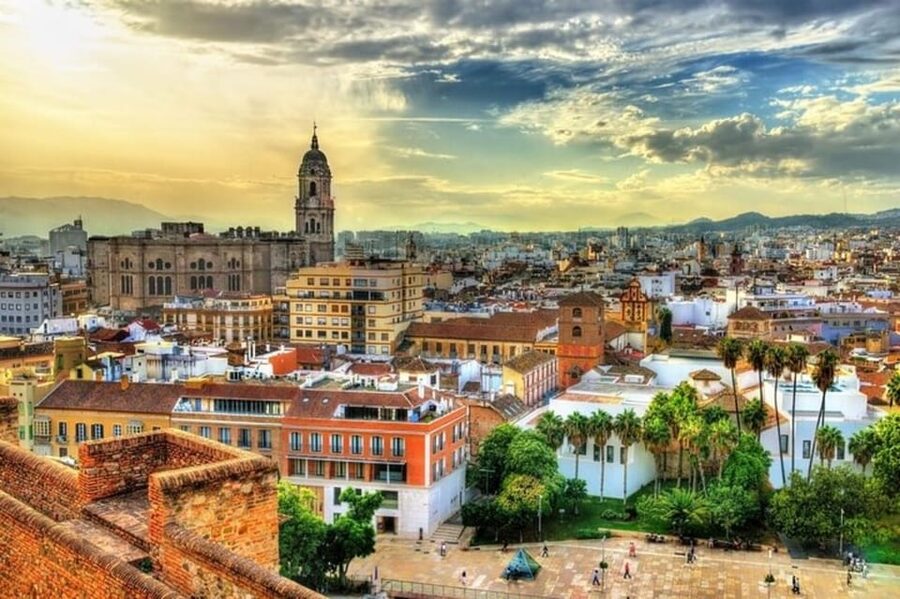
Malaga Cathedral is one of the major visual landmarks on the route. Its scale and formal design provide a sharp contrast with the Roman remains and the Moorish Alcazaba.
The stop lasts about 15 minutes, so your guide will focus on the building’s main points and its place in the city. You should expect an outside overview or a short visit rather than the time needed to examine every chapel, artwork, and architectural detail.
For me, the Cathedral is valuable in this tour because it helps explain the city’s change after Christian rule was established. Seeing it alongside the Alcazaba and Roman Theater makes Malaga’s past easier to follow. The route is not just a parade of attractive buildings. Each stop represents a different period and set of traditions.
If you want a quiet interior visit, return at another time. The walking tour has a schedule to keep, and the Cathedral is too important to rush if you are interested in art or architecture.
More Malaga sightseeing tours:
- Malaga: City Sightseeing Hop-On Hop-Off Bus Tour
★ 4.0 · 2,619 reviews - From Malaga and Costa del Sol: Gibraltar Sightseeing Tour
★ 3.9 · 1,586 reviews - Malaga: Private City Tour by Eco Tuk Tuk
★ 4.9 · 1,319 reviews - Malaga City Tour 2 Hours Monumental Segway Tour
★ 5.0 · 896 reviews
The Alcazaba’s Moorish stronghold
The Alcazaba is an 11th-century Moorish fortress and one of the route’s main attractions. Its presence gives Malaga a strong connection to the period when Islamic rule shaped much of southern Spain.
The walk includes a guided stop and time for photographs. With roughly 15 minutes listed here, the visit is best understood as a concise introduction. You may see the main access area and hear why the fortress matters, but the schedule does not allow for a long wander through every passage, courtyard, and viewpoint.
That limitation is important. The Alcazaba is the place most likely to make you wish for extra time. If you enjoy medieval fortifications, stonework, or city views, you may want to return after the tour for a slower visit. The guide’s overview can help you decide how much time to set aside.
I like having the Alcazaba in the middle of this route because it gives the walk a clear sense of place. Malaga’s past is not only preserved in a museum case. It is built into the hillside above the historic center.
The Roman Theater and ancient Malaga
The Roman Theater is one of the most rewarding stops for understanding how old Malaga really is. The remains date to the 1st century BC, making this a direct link to the ancient city rather than a later reconstruction or a decorative reference to Rome.
The archaeological remains sit near the Alcazaba, so the route can connect these two major periods in a short walk. Your guide can explain what you are seeing and why the theater matters, while you get time for photos and a closer look.
This is one of the places where a guide adds real value. Ruins can be difficult to read on your own. A few broken walls and stone curves do not immediately tell you how the space worked. A clear explanation turns the remains into part of a city story.
Again, the 15-minute stop is brief. If archaeology is your main interest, you will want more time than the walking tour provides. For a first look, though, the theater is an efficient and memorable stop.
Malaga Museum and the city’s art collections
The Malaga Museum brings together Fine Arts and Archaeology collections. Even if the tour only gives you an introduction or exterior stop, knowing what the museum contains helps you decide if it deserves a separate visit.
The pairing of fine art and archaeology fits this walking route well. You have already seen ancient remains outside, and the museum offers a possible indoor continuation. You have also passed through places linked to Malaga’s artistic identity, so the Fine Arts collection adds another piece to the picture.
Do not count on a long museum session within this two-hour experience. The schedule includes several other landmarks, and food and drinks are not included. If you are choosing between a fast city overview and a detailed museum morning, this activity clearly favors the first option.
Church of Santiago and Picasso’s baptism
The Church of Santiago is described as the oldest church in Malaga, erected in 1490. It also has a direct Picasso connection: Picasso was baptized here.
That makes the church a particularly useful bridge between the city’s Christian past and its modern artistic story. You can see how close the different parts of Malaga are, both physically and historically. A church founded in the late 15th century is linked to one of the 20th century’s best-known artists.
The stop is planned for about 15 minutes, with a guided visit and photo opportunity. That gives you enough time for the essential story, but not a full study of the church’s interior or religious art.
I would pay attention here even if you are not a Picasso enthusiast. The church helps show how much of Malaga’s character comes from overlapping eras. It is also a good example of why a walking guide can be more useful than a simple checklist of sights.
A Costa del Sol pause
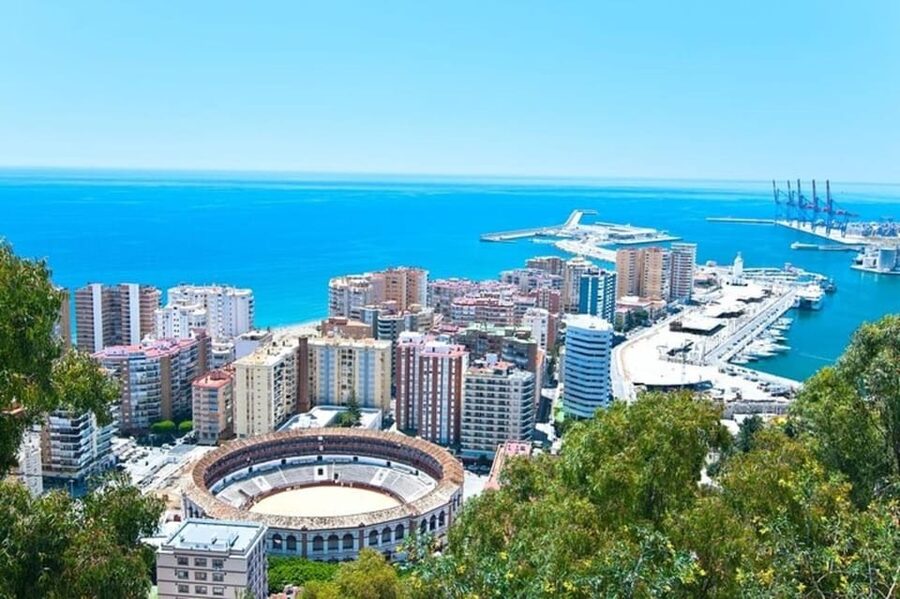
The route includes Costa del Sol as a photo stop and sightseeing point. The supplied details do not specify a separate beach visit, transport segment, or long coastal excursion, so you should treat this as a brief reference to the area rather than a full Costa del Sol outing.
That distinction matters when you book. This is a Malaga city-center walking tour, not a day trip along the coast. You will spend the activity on foot among central landmarks, with the Costa del Sol connection included as part of the wider setting.
If you are comparing this with a beach or coastal tour, choose the other option for sea views and extended time outside the historic center. Choose this walk if your priority is Malaga itself.
Calle Larios and the modern city
Calle Marqués de Larios, usually called Calle Larios, is one of Malaga’s best-known pedestrian streets. It is elegant, central, and busy with shopping, cafés, and everyday city activity.
The street gives the tour a useful change of mood. After ancient stones, churches, and fortress walls, you return to the modern city. The route includes sightseeing and shopping time here, along with the chance to see the market atmosphere and local street life.
This is not a shopping tour, and 15 minutes will not allow for serious browsing. Still, Calle Larios is a good place to learn how Malaga’s historic center functions today. I like ending with a street where you can continue on your own, find a café, or use your guide’s suggestions to shape the rest of the day.
What the two-hour schedule really means
The route lists eight stops, each with about 15 minutes for a visit, photo stop, or guided explanation. Add the walking between them and you have a tightly planned overview.
You should expect:
- Brief explanations at each landmark
- Regular photo opportunities
- Walking through central streets
- A mix of outside views and short visits
- Suggestions for other things to do in Malaga
- No included food or drinks
The schedule suits someone who wants a clear introduction without committing to a half-day activity. It may feel rushed if you like to read every plaque, sit quietly in churches, or spend time in museums.
I would book it near the beginning of your stay. That way, the guide’s recommendations can help you choose where to return. You may decide to spend more time at the Alcazaba, visit the Malaga Museum, explore the Picasso Museum, or simply follow Calle Larios toward another part of the center.
Who will get the most from this tour
This walk is a good match for first-time visitors, short-break guests, cruise passengers with limited time, and anyone who prefers a guide to provide the historical framework. It also suits people who want to see the main central sights without arranging several separate visits.
Families may appreciate the two-hour length, since the route keeps moving and does not demand a full day indoors. The wheelchair-accessible format is another practical advantage, though the exact ease of each historic site can depend on its surfaces and access points.
A private group is available if you want to ask more questions or keep the pace closer to your own interests. A private option may also be useful if one person in your party wants more time for photography or needs a slower rhythm.
I would be less likely to choose it if my main goal were a detailed museum visit, a full exploration of the Alcazaba, or a long coastal outing. This is a city introduction, not a specialist tour.
Guide quality and overall value
The strongest repeated feature of this experience is the guide. David is described as prepared, friendly, generous with his time, and willing to show both must-see locations and less obvious places. Borja has received praise for his professional and responsive manner, while Maura is noted for being especially pleasant.
That kind of personal guidance can make a short tour feel worthwhile. You are not only hearing facts. You can ask what to do next, where to spend more time, and which sights fit your interests.
At $35, the price is fair for a two-hour guided walk in a central European city, particularly if you use the advice to plan the rest of your visit. The value drops if you expect admission to a series of museums or monuments, a meal, or a long private tour. The package includes the guide and walking tour, while food and drinks are not included.
Free cancellation up to 24 hours before the start and the option to reserve now and pay later make it easier to fit into an uncertain schedule. You can also select a starting time after checking availability.
Should you book the Malaga Must-See Attractions walk?
Book this tour if you want to get your bearings quickly and understand how Malaga’s Roman, Moorish, Christian, and artistic stories fit together. The Roman Theater, Alcazaba, Cathedral, Church of Santiago, Plaza de la Merced, and Calle Larios make a well-chosen central route.
Go in with the right expectations. You will see many important places, but you will not have time for a deep visit at each one. For $35, I think it is a sensible choice at the start of a short Malaga stay, especially if you value a friendly guide and practical advice more than extended time inside any single attraction.
FAQ
How long does the Malaga walking tour last?
The tour lasts two hours.
How much does the tour cost?
The price is $35 per person.
Where does the tour meet?
The meeting point is Alameda Principal, 1, in central Malaga.
Which landmarks are included?
The route includes Plaza de la Merced, Malaga Cathedral, the Alcazaba, Malaga Museum, the Church of Santiago, Costa del Sol, Calle Marqués de Larios, and the Roman Theater of Malaga.
Is food or drink included?
No. Food and drinks are not included.
Which languages are available?
The live guide may conduct the tour in English, French, Italian, or Spanish.
Is the walking tour wheelchair accessible?
Yes, the activity is listed as wheelchair accessible.
Can I book a private group?
Yes. A private group option is available.
Can I cancel for a refund?
Yes. You can cancel up to 24 hours in advance for a full refund.
More Guided Walks in Malaga
- El Chorro: Caminito del Rey Gorge Route Guided Walking Tour
★ 4.4 · 753 reviews - Ardales: Caminito del Rey & El Gaitanejo Guided Walking Tour
★ 4.8 · 552 reviews - Ronda: Guided Walking Tour with English or Spanish Guide
★ 4.5 · 423 reviews - Ronda: Guided Walking Tour
★ 4.6 · 104 reviews
Just added around Malaga
- San Miguel Cemetery Tour of Malaga★ 5.0 · 3 reviews
- A Self-Guided Tour of Ancient Malaga’s History★ 4.5 · 3 reviews
- Private Winery Tour and Visit to Ronda★ 5.0 · 3 reviews
- Ronda and Setenil from la Costa del Sol★ 3.8 · 3 reviews
- MALAGA: ULTIMATE FLAMENCO & TAPAS TOUR★ 5.0 · 3 reviews
- From Nerja/Almunecar: Sierra Nevada and Alpujarra day trip★ 4.0 · 3 reviews
- From Seville: Ronda and Setenil de Las Bodegas Private Tour★ 5.0 · 3 reviews
- Private tour in Malaga from Costa del Sol★ 4.5 · 3 reviews
Walking Tours, compared.
Caminito del Rey Gorge Route Guided Walking Tour
Read our review →
Ardales: Caminito del Rey & El Gaitanejo Guided Walking Tour
Read our review →
Guided Walking Tour with English or Spanish Guide
Read our review →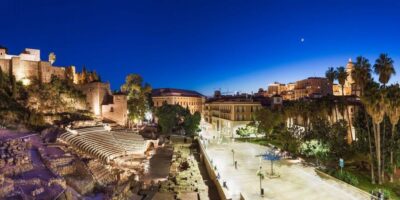
Cathedral, Alcazaba, Roman Theater Walking Tour
Read our review →
Malaga Private Walking Tour, Alcazaba & Catamaran Cruise
Read our review →
Guided Walking Tour of the Old Town of Frigiliana
Read our review →Browse the lists this tour appears in