
Reviewed · HIKING AND WHITE VILLAGES
Birding Costa del Sol Day tour
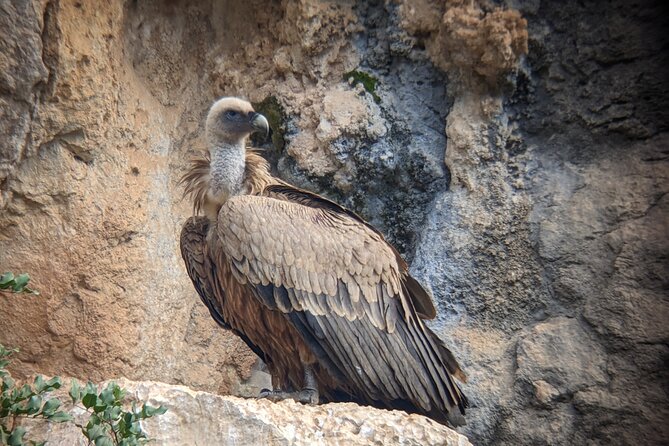
The most rewarding part of this Costa del Sol tour is its variety. In one day, you move from the Calaburras coast and its marine birds to the Guadalhorce wetlands, then inland through river woodland, limestone mountains, pine forest, and the edge of Sierra de las Nieves. It is a full day built around changing habitats rather than one famous viewpoint.
I like the private format, which lets guide Florent shape the day around your interests. I also like the chance to see more than birds: one guest added 30 species to a life list while learning about insects, plants, and the wider setting. The main drawback is the pace. Five stops in about eight hours means some visits are fairly short, and the best sightings will always depend on weather and season.
In This Review
- Key points at a glance
- Why this Costa del Sol birding day works
- Punta de Calaburras and the coast
- The Guadalhorce Estuary in a two-and-a-half-hour session
- Rio Grande and the value of a quieter habitat
- El Juanar and the search for raptors
- Sierra de las Nieves and the final reservoir
- Florent’s guiding style and the private format
- Price, pickup, and who gets good value
- What to bring and how to plan the day
- Should you book the Costa del Sol birding tour?
- FAQ
- Where does the tour start?
- Is pickup available from Malaga?
- How long does the birding tour last?
- How many people can join the private tour?
- Is the tour offered in English?
- What happens if the weather is poor?
Key points at a glance
- Five very different habitats: Coast, estuary, river woodland, mountain, and reservoir.
- A private group of up to four: The guide can focus on your interests instead of keeping to a large group schedule.
- Guadalhorce Estuary is the main event: This Andalusian wetland can produce a long list of waterfowl and waders.
- Florent brings a broad naturalist’s eye: Expect attention to plants and insects as well as birds.
- Good value for a small group: The $433.72 price works out to about $108.43 per person when four people share it.
- Weather matters: Poor conditions can lead to a new date or a full refund, and bird activity itself can change with the season.
Why this Costa del Sol birding day works
Many visitors come to the Costa del Sol for beaches, old towns, and easy sunshine. This tour gives you a different view of southern Spain. It uses the coast as a starting point, but it does not stay there. The route reaches wetlands, wooded river edges, mountain terrain, and a small reservoir connected to Sierra de las Nieves National Park.
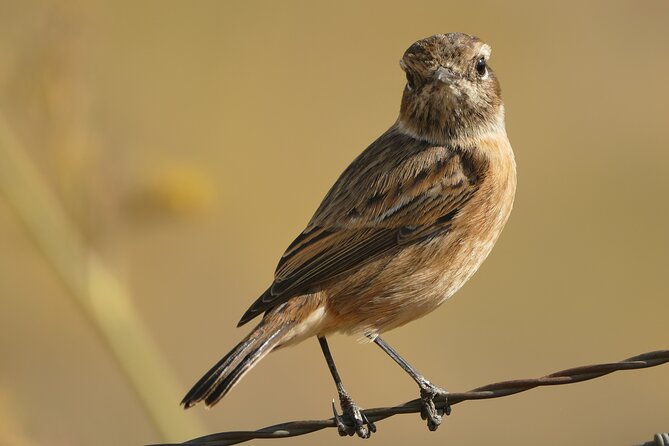
That range is the tour’s real strength. You are not relying on one lucky patch of reeds or one lookout. If one stop is quiet, another habitat may offer a different set of birds. Coastal species, waders, waterfowl, birds of prey, and woodland birds all have a chance to appear during the day.
The tour lasts about eight hours and operates as a private activity for your group only. The maximum is four people, a useful limit for anyone who wants room to ask questions or spend more time on a particular bird. The meeting point is flexible depending on the group, with the starting point listed in Marbella. Pickup can also be arranged, and Florent has collected guests from a Malaga hotel.
This is not the right choice if you want a quick sightseeing outing with guaranteed close-up wildlife. It is better for people who enjoy watching carefully, moving between habitats, and accepting that nature sets the timetable.
More Hiking Tours in Malaga
- From Malaga: Caminito del Rey/White Village Tour & Tapas
★ 4.9 · 1,361 reviews - Caminito del Rey: Guided Hiking Tour with Entrance Tickets
★ 4.5 · 711 reviews - From Málaga: Ronda, White Village & Sevilla Day Trip
★ 4.8 · 161 reviews
Punta de Calaburras and the coast
The first stop takes about an hour and a half at Punta de Calaburras, including the Cabo Pino and Calaburras lighthouse area. This is part of the Calahonda marine protected area, giving the day an immediate coastal and marine focus.
The site is especially useful in winter and during migration periods. You might find marine birds offshore, coastal species around the rocky shoreline, and passing birds using the coast as part of a longer route. The lighthouse also gives the stop a clear visual marker, so you are not simply wandering along an anonymous stretch of beach.
This opening visit is a good way to settle into the day. You can get used to the pace of scanning, listening, and checking field marks before reaching the busier Guadalhorce Estuary. It also reminds you that birding on the Costa del Sol is not limited to inland reserves.
The limitation is timing. An hour and a half is enough for a focused visit, but not enough to cover every corner of the coast. Sea conditions, wind, and the season will influence what appears. If you are mainly interested in wetland birds, you will probably regard this as an introduction rather than the main attraction.
The Guadalhorce Estuary in a two-and-a-half-hour session
The longest stop is Playa Guadalhorce, where you spend about two and a half hours at the Guadalhorce Estuary. This is the centerpiece of the day and the place most likely to reward patience.
The estuary is one of Andalusia’s leading wetland birding sites. Its mix of water, mud, shoreline, and vegetation attracts many waterfowl and waders. On a particularly good day, experienced birdwatchers may record up to 100 species in the reserve. That figure is not a promise, but it explains why the stop receives more time than any other location.
You should expect the guide to tailor the visit to the birds you most want to see. If you are building a life list, tell Florent in advance or at the start of the day. One guest with a specific birding goal added 30 new species to a personal list, which shows how useful a flexible guide can be when the group has clear priorities.
The estuary also rewards beginners. You do not need to arrive with a long species list to benefit from the stop. Florent can help connect what you see with the habitat around it, and his interests extend to insects and plants. That broader approach gives you a better sense of how the wetland functions instead of turning the visit into a simple tick-box exercise.
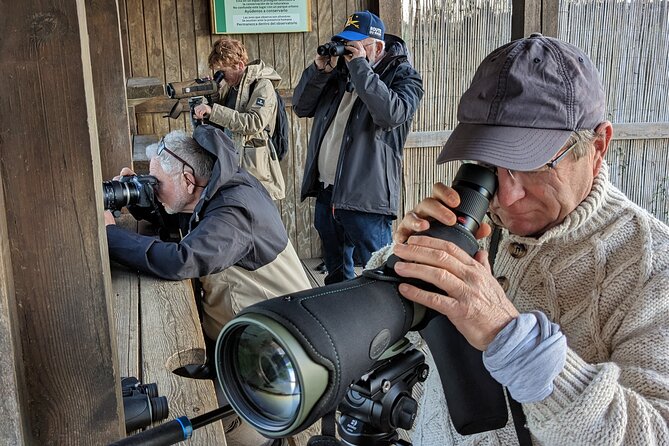
A possible drawback is that wetland birding can feel slower than a standard sightseeing stop. You may spend time waiting, scanning, and comparing distant shapes. Bring patience, and understand that the number of species will depend heavily on conditions. The long visit is a strength for serious birders, but it may test anyone who wants constant movement.
Rio Grande and the value of a quieter habitat
The route then reaches the Rio Grande for about an hour. This stop adds riparian forest, a habitat shaped by running water and the trees and plants beside it.
After the open coast and exposed wetland, the river corridor changes the way you look for birds. Instead of scanning wide water and mudflats, you may be watching branches, listening for movement, and checking the cover along the water. The variety is important because some birds favor wooded edges rather than open marsh.
An hour is a sensible amount of time here. It gives the group a chance to explore the habitat without taking too much time from the mountain stops. It also breaks up the day physically and visually.
Still, this is one of the less predictable sections. Riparian woodland can be rewarding, but birds may stay hidden. If your main goal is waterfowl, the Rio Grande will feel like a change of subject. If you like seeing how bird life shifts from one habitat to another, it adds useful depth to the route.
More hikes and white-village walks:
- Caminito del Rey: Trekking Tour with Hiking Guide
★ 4.1 · 295 reviews - White Villages Tour in the Nerja area: Small-Group Tour and Lunch
★ 5.0 · 127 reviews - Malaga: White Village, Vineyard, and Wine Tasting Wine Tour
★ 4.9 · 88 reviews - Torcal de Antequera Hiking Tour from Málaga
★ 5.0 · 59 reviews
El Juanar and the search for raptors
The next stop is Mirador de Juanar, with about an hour and a half in El Juanar. This is a white limestone mountain area with wide views over the Costa del Sol and toward Africa.
The viewpoint matters for two reasons. First, it gives you a strong change of scenery after the lowland sites. Second, the timing is intended to offer a chance of seeing birds of prey. Raptors are never guaranteed, but a mountain lookout provides a logical place to watch open air currents and distant slopes.
On hot days, the pine forest can offer some protection from the sun. That is a practical benefit in southern Spain, especially during a long day outdoors. The forest also gives the guide another habitat to check if the open viewpoint is quiet.
I would treat El Juanar as a stop for atmosphere as well as birding. The views across the Costa del Sol and toward Africa give the day a wider sense of place. You are not just collecting species; you are seeing how the coast, mountains, and inland valleys fit together.
The tradeoff is that mountain birding adds some uncertainty. Visibility and weather can affect the experience, and birds of prey may be distant. Bring realistic expectations. This is a chance to scan a broad area, not a promise of close encounters.
Sierra de las Nieves and the final reservoir
The final visit lasts about an hour and a half near a small Mediterranean reservoir and stream flowing from the nearby Sierra de las Nieves National Park. It brings together water, streamside habitat, and mountain biodiversity.
This last stop is useful because it adds another ecological setting rather than simply repeating the estuary. The stream may offer different conditions from the Rio Grande, while the reservoir creates another place for birds to feed or rest. The nearby national park also points to the wider natural importance of the area.
By this stage, the route has covered a lot of ground and several habitats. The final stop can feel like a fitting finish for anyone interested in the full range of southern Spain’s bird life. It also gives Florent one more chance to adjust the focus according to what the group has already seen.
The practical concern is fatigue. Five stops, travel between them, and several hours outdoors can wear you down. If you are new to birding, you may appreciate the variety but find the later stages less easy to concentrate on. Good footwear, water, sun protection, and a willingness to take the day at a steady pace will help.
Florent’s guiding style and the private format
The guide is Florent, working with G3 Guides. The strongest feature of his approach is the breadth of his natural history knowledge. You can ask about birds, but you may also learn about insects and plants, which makes the route more meaningful for anyone who wants to understand the habitats rather than only identify species.
The private setup is especially valuable here. A group of up to four can decide which birds matter most, ask for explanations at the right level, and spend more time when something interesting appears. A specialist birder can focus on a life list, while a newer birder can ask basic questions without feeling rushed.
There is also a personal element in the way the outing can be adapted. One couple had the day adjusted around particular birding interests and came away with 30 new life-list species. That kind of result depends on the season and luck, but the tailored structure gives you a better chance than a fixed group excursion.
The private format does not mean every request can be met. The tour still has five planned areas and roughly eight hours. Driving time, weather, and bird activity place limits on the day. Think of the flexibility as help with priorities, not a guarantee that the route can be rebuilt from scratch.
Price, pickup, and who gets good value
The cost is $433.72 per group of up to four. With four people, that is about $108.43 each for an eight-hour private day. For two people, the effective price is about $216.86 each, so the value becomes much stronger when a small group shares the booking.
The price makes the most sense if you care about specialist guiding and private transport arrangements rather than simply visiting a scenic place. You are paying for a full day across several sites, a guide who can tailor the focus, and the convenience of keeping the group small.
Pickup is flexible depending on the group, with Marbella listed as the starting point. Pickup from Malaga has been arranged, so it is worth giving your exact location when booking. Confirmation is sent within 48 hours, subject to availability.
The activity is offered in English and is scheduled Monday through Friday from 9:00 a.m. to 6:00 p.m. The experience runs year-round within the stated operating dates, but the best bird mix will shift with winter conditions and migration periods.
Free cancellation is available up to 24 hours before the start time. Late cancellations and changes are not accepted, and bad weather can lead to a different date or a full refund. That policy is sensible for an outdoor activity, since weather affects both comfort and bird visibility.
What to bring and how to plan the day
The supplied details do not list equipment, so you should confirm any specific gear questions with G3 Guides. Practical basics still matter: comfortable footwear, sun protection, water, and clothing suited to changing coastal and mountain conditions.
Your interests will shape the day more than a long list of equipment. Tell Florent if you are hoping to see raptors, waders, marine birds, woodland species, or simply as many new species as possible. The more clearly you explain your goals, the easier it is to use the private format well.
Season matters too. Punta de Calaburras is noted as especially productive in winter and migration season. The Guadalhorce Estuary may offer a large number of species, but no date can guarantee a particular bird. A flexible attitude is part of the bargain.
This tour suits keen birdwatchers, couples, small families, and nature-minded visitors who want expert interpretation without joining a large group. It is less suitable for anyone seeking a relaxed beach day, guaranteed sightings, or a short activity close to one hotel.
Should you book the Costa del Sol birding tour?
Book it if you want to see the Costa del Sol through its habitats rather than its resorts. The combination of coast, estuary, river, mountain, pine forest, and reservoir gives you a much broader day than a single-site bird walk.
I would especially recommend it to a group of three or four, when the price becomes good value, and to anyone with a clear life-list target. Florent’s ability to discuss plants and insects as well as birds adds something for companions who are interested in nature but not yet serious birders.
Think twice if you dislike early-style patient watching, long outdoor days, or uncertain results. Birds are wild, and the mountain and wetland stops can be quiet. For the right audience, though, this is a strong private day with a thoughtful route and a useful balance of coastal and inland habitats.
FAQ
Where does the tour start?
The listed starting point is Marbella, Málaga, Spain. The meeting point is flexible depending on the group.
Is pickup available from Malaga?
Pickup is offered, and the meeting point can be arranged for the group. A pickup from a Malaga hotel has been provided before.
How long does the birding tour last?
The tour lasts approximately eight hours.
How many people can join the private tour?
Only your group participates, with a maximum of four people.
Is the tour offered in English?
Yes. The experience is offered in English.
What happens if the weather is poor?
The experience requires good weather. If it is canceled because of poor conditions, you will be offered another date or a full refund.
Just added around Malaga
- San Miguel Cemetery Tour of Malaga★ 5.0 · 3 reviews
- A Self-Guided Tour of Ancient Malaga’s History★ 4.5 · 3 reviews
- MALAGA: ULTIMATE FLAMENCO & TAPAS TOUR★ 5.0 · 3 reviews
- Private Winery Tour and Visit to Ronda★ 5.0 · 3 reviews
- Ronda and Setenil from la Costa del Sol★ 3.8 · 3 reviews
- Private tour in Malaga from Costa del Sol★ 4.5 · 3 reviews
- From Nerja/Almunecar: Sierra Nevada and Alpujarra day trip★ 4.0 · 3 reviews
- From Seville: Ronda and Setenil de Las Bodegas Private Tour★ 5.0 · 3 reviews
Hiking and White Villages, compared.

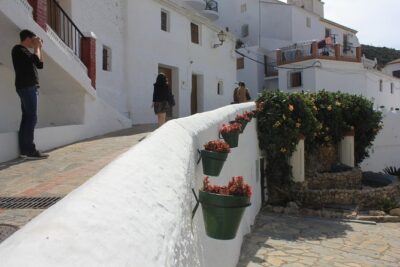
White Villages Tour in the Nerja area: Small-Group Tour and Lunch
Read our review →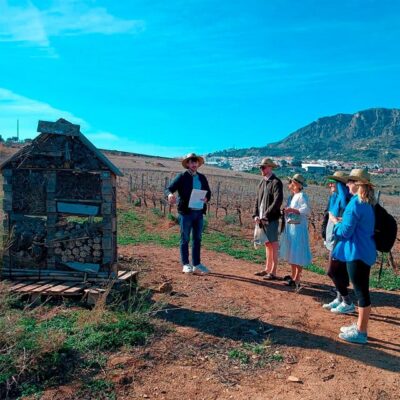
White Village, Vineyard, and Wine Tasting Wine Tour
Read our review →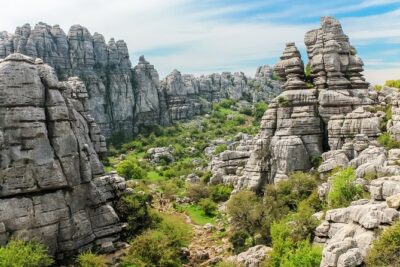
Browse the lists this tour appears in